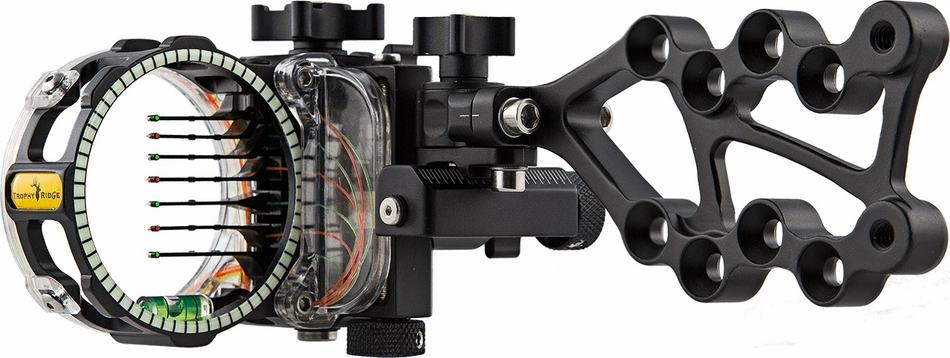
Find out which bow sight best suits your needs

Comparative Analysis: Compound Bows vs. Traditional Bows

Compound Bow vs Traditional Bow! Which is Better for YOU?


Compound bow vs traditional bow: 7 Essential Differences You Must Know

When it comes to archery, the debate of compound bow vs traditional bow is one that sparks interest among both beginners and seasoned archers alike.

Each type of bow offers unique advantages and caters to different preferences, making it crucial to understand their key differences. In this post, we’ll explore the essential features, benefits, and drawbacks of both compound and traditional bows, helping you make an informed choice for your archery needs.

Understanding the Basics of Compound Bows

Compound bows have revolutionized the world of archery. They utilize a system of pulleys and cables that provide a mechanical advantage, allowing for greater power and accuracy. Here are some key characteristics:

  • Mechanical Advantage: The pulley system reduces the amount of force needed to draw the bowstring, allowing for easier handling and increased energy transfer to the arrow.
  • Adjustable Draw Weight: Most compound bows come with adjustable draw weights, making it easier for archers to modify their setup according to their strength and skill level.
  • Precision Sight Systems: Compound bows often incorporate advanced sight systems, enhancing accuracy and enabling longer-range shooting.

Exploring Traditional Bows

Traditional bows, often referred to as recurve or longbows, have a rich history and are favored for their simplicity and elegance. Here are some defining features:

  • Classic Design: Traditional bows have a straightforward design with no complex mechanisms, making them appealing to purists.
  • Direct Feel: Archers often report a more authentic shooting experience with traditional bows, as they provide a direct connection between the archer and the arrow.
  • No Maintenance: With fewer moving parts, traditional bows require minimal maintenance compared to their compound counterparts.

Key Differences in Performance

When comparing compound bow vs traditional bow, performance is a critical factor. Here’s how they stack up:

Speed and Power

Compound bows generally outperform traditional bows in terms of speed and power. The mechanical systems in compound bows allow for faster arrow speeds, making them ideal for hunting and competitive shooting. Traditional bows, while slower, offer a unique shooting experience that many archers cherish.

Accuracy

Accuracy is another area where compound bows tend to excel. The advanced sight systems and stability provided by the bow’s design contribute to improved precision. Traditional bows require more skill and practice to achieve similar levels of accuracy, but many archers find the challenge rewarding.

Ease of Use and Learning Curve

For beginners, the compound bow vs traditional bow debate often hinges on ease of use. Here’s a breakdown:

Compound Bows

Compound bows are typically easier for beginners to handle due to their adjustable draw weight and mechanical advantages. The reduced effort needed to draw the bowstring makes them more user-friendly, particularly for those who may not have the upper body strength required for traditional bows.

Traditional Bows

While traditional bows may have a steeper learning curve, they offer a more immersive experience. Archers must develop proper form and technique, which can enhance overall skills. The simplicity of traditional bows can also be appealing to those who appreciate the art of archery.

Cost Considerations

When comparing compound bow vs traditional bow, cost is an essential aspect to consider:

  • Compound Bows: Generally, compound bows are more expensive due to their complex design and technology. Prices can range significantly based on brand and features.
  • Traditional Bows: Traditional bows are often more affordable, making them a great entry point for new archers. However, high-quality traditional bows can also be quite costly.

Maintenance and Durability

Maintenance requirements can differ significantly between the two types of bows:

Compound Bows

Due to their intricate systems, compound bows require regular maintenance. This includes checking the cables, pulleys, and sights to ensure everything functions correctly. Regular tuning is also necessary to maintain optimal performance.

Traditional Bows

Traditional bows are generally more durable and require less maintenance. With fewer moving parts, the risk of mechanical failure is lower, making them a reliable choice for many archers.

Choosing the Right Bow for You

Deciding between a compound bow and a traditional bow ultimately depends on your preferences and goals in archery. Here are some factors to consider:

  • Purpose: Are you hunting, competing, or practicing for fun? Your goals will influence your choice.
  • Experience Level: Beginners might find compound bows easier to start with, while experienced archers may prefer the challenge of traditional bows.
  • Budget: Consider how much you are willing to invest in your archery equipment.

So Which bow is for you?

The choice between a compound bow and a traditional bow is personal and should align with your individual preferences and archery goals. Understanding the differences in performance, ease of use, cost, and maintenance will help you make an informed decision.

Whether you lean towards the modern technology of compound bows or the classic appeal of traditional bows, both options offer unique experiences that can enrich your archery journey.

For more information about archery equipment, you can check out resources from Archery 360 and Bowhunting.com.

Compound Bow vs Traditional Bow: The Ultimate Performance Comparison

When it comes to archery, the debate between compound bow vs traditional bow is one that many enthusiasts engage in. Both types of bows offer unique advantages and challenges that can significantly impact performance and accuracy. Understanding these differences can help you choose the right equipment for your needs.

Performance Metrics: Compound Bow vs Traditional Bow

The performance of a bow is often measured in terms of speed, power, and ease of use. Here’s a breakdown of how compound bows and traditional bows stack up against each other:

  • Speed: Compound bows are designed for speed, often reaching arrow speeds of 300 feet per second or more. Traditional bows typically have a slower arrow speed, ranging from 150 to 200 feet per second.
  • Power: With their mechanical systems, compound bows provide greater power and energy transfer, resulting in more force behind each shot. Traditional bows rely solely on the archer’s strength and technique.
  • Ease of Use: Compound bows come with adjustable draw weights and let-off systems, making them easier to handle for longer periods. Traditional bows require more physical strength and skill to operate effectively.

Accuracy: Compound Bow vs Traditional Bow

Accuracy is crucial in archery, and the type of bow you choose can make a significant difference. Here are key factors affecting accuracy in the compound bow vs traditional bow comparison:

  • Stabilization: Compound bows often include stabilizers that help reduce vibration and improve balance, leading to better accuracy. Traditional bows lack this feature, which can affect shot consistency.
  • Sights: Many compound bows come equipped with advanced sight systems that enhance aiming precision. Traditional bows usually rely on instinctive shooting or simple sighting methods.
  • Adjustability: The adjustable features of compound bows allow users to fine-tune their settings for optimal performance, while traditional bows require more practice to master accuracy.

Factors Influencing Performance and Accuracy

Several factors influence the performance and accuracy of both compound bows and traditional bows. Understanding these can help you make an informed choice:

  1. Bow Design: The design and materials used in the construction of the bow can significantly impact performance. Compound bows often use advanced materials that enhance durability and performance.
  2. Archer Skill Level: Regardless of the bow type, the skill level of the archer plays a crucial role in accuracy. Beginners may find compound bows easier to learn on, while experienced archers may prefer the challenge of traditional bows.
  3. Environmental Conditions: Wind, humidity, and temperature can affect arrow flight. Understanding how to adjust for these conditions is essential for both bow types.

Choosing the Right Bow for Your Needs

When deciding between compound bow vs traditional bow, consider the following:

  • Purpose: Are you hunting, target shooting, or participating in competitions? Each bow type has advantages tailored to specific activities.
  • Budget: Compound bows can be more expensive due to their complex technology, while traditional bows often offer a more budget-friendly option.
  • Personal Preference: Ultimately, the best bow is one that feels comfortable and suits your shooting style. Test both types to see which one resonates with you.

For more detailed insights on bow performance, you can refer to authoritative sources such as Archery 360 and Bowhunting.com. These platforms provide comprehensive guides and expert opinions on the ongoing debate of compound bow vs traditional bow.

Compound Bow vs Traditional Bow: The Ultimate Ease of Use Comparison

When it comes to archery, the debate between compound bow vs traditional bow often centers around ease of use and the learning curve associated with each type. Understanding these factors can help you make an informed choice about which bow suits your needs best.

Understanding the Basics of Compound Bow vs Traditional Bow

Both compound and traditional bows have their unique features that appeal to different archers. Here’s a breakdown of how they compare in terms of ease of use:

  • Compound Bows: These bows utilize a system of pulleys and cams to assist in drawing and holding the string, which significantly reduces the effort needed to hold the bow at full draw.
  • Traditional Bows: These include longbows and recurve bows, which rely solely on the archer’s strength to pull back the string, often requiring more skill and physical effort.

Learning Curve: Compound Bow vs Traditional Bow

The learning curve is an essential aspect to consider when choosing between compound bow vs traditional bow. Here’s how they stack up:

  1. Compound Bows: Generally, they are easier for beginners due to their mechanical advantages. The let-off feature allows archers to hold the bow at full draw with less fatigue, making it easier to aim and shoot accurately.
  2. Traditional Bows: These require more practice to master. Archers must develop strength and technique, as there are no mechanical aids. This can be challenging for new archers but rewarding for those who appreciate the skill involved.

Adjustability and Customization in Compound Bow vs Traditional Bow

Another factor influencing ease of use is adjustability. Both types of bows offer different levels of customization:

  • Compound Bows: Typically come with adjustable draw weights and lengths, allowing for a personalized fit. This adaptability makes them suitable for a wider range of users.
  • Traditional Bows: While some traditional bows can be customized, they often come in fixed sizes and weights, which may not be ideal for all users.

Maintenance and Care: Compound Bow vs Traditional Bow

Maintenance plays a crucial role in the overall experience of using a bow. Here’s how they compare:

  1. Compound Bows: Require regular maintenance, including checking the strings and cables, ensuring the cams are aligned, and keeping the sight calibrated. However, their durability often means they need less frequent replacements.
  2. Traditional Bows: Typically require less technical maintenance but need regular checks for wood integrity and string condition. They can be more susceptible to environmental factors like humidity.

Choosing the Right Bow for Your needs

Ultimately, the choice between compound bow vs traditional bow boils down to your personal preferences and goals in archery. If you value ease of use and a shorter learning curve, a compound bow may be the better option.

Conversely, if you’re drawn to the traditional aspect of archery and are willing to invest time in mastering your skills, a traditional bow could be the right fit.

For more detailed insights, consider visiting Archery 360 for expert advice on bow selection and techniques.

Compound Bow vs Traditional Bow: The Ultimate Maintenance Guide

When comparing a compound bow vs traditional bow, one of the most critical aspects to consider is maintenance and durability. Each type of bow has its own unique requirements, which can significantly affect their lifespan and performance. Understanding these differences can help you make an informed choice when selecting your archery equipment.

Maintenance Needs of Compound Bows

Compound bows are engineered with advanced technology, which can simplify maintenance but also requires specific care. Here are some essential maintenance tasks:

  • Regular String Inspection: Check the bowstring for fraying or wear. Replace it every 1-2 years, depending on usage.
  • Cam and Limb Care: Inspect the cams and limbs for cracks or damage. Clean them regularly to prevent dirt buildup.
  • Lubrication: Apply lubricant to the axles and bearings to ensure smooth operation.
  • Adjustments: Regularly check and adjust the sights and peep sight for accuracy.

With proper maintenance, a compound bow can last for many years, making it a durable option for serious archers.

Maintenance Needs of Traditional Bows

In contrast, traditional bows, such as recurve and longbows, have different maintenance needs that reflect their simpler construction:

  • Wood Care: If your traditional bow is made of wood, it’s crucial to keep it in a controlled environment to prevent warping or cracking.
  • String Condition: Inspect the bowstring regularly for wear and replace it as needed, typically every few years.
  • Finish Maintenance: Reapply protective finishes to the wood to enhance durability and prevent moisture damage.

Although traditional bows may require more attention to environmental factors, they can also be incredibly durable if cared for properly.

Durability Comparison: Compound Bow vs Traditional Bow

When considering durability, the compound bow vs traditional bow debate often highlights the following points:

  1. Material Composition: Compound bows are usually made from advanced materials like aluminum and carbon, which provide strength and resistance to environmental factors.
  2. Construction Complexity: The intricate design of compound bows can lead to more potential points of failure, while traditional bows, with their simpler design, may be more robust in some scenarios.
  3. Usage Frequency: Compound bows are often used more frequently in competitive settings, which can lead to quicker wear and tear compared to traditional bows, which may be used more casually.

Factors Influencing Longevity

Several factors can influence the longevity of both compound and traditional bows:

  • Frequency of Use: Regular use can wear out components faster, especially in compound bows.
  • Storage Conditions: Proper storage in a climate-controlled environment can extend the life of both types of bows.
  • Quality of Materials: Higher-quality materials generally lead to better durability.

Understanding these factors can help archers maintain their equipment effectively, ensuring that they get the most out of their investment.

Expert Tips for Maintaining Your Bow

Whether you choose a compound bow vs traditional bow, here are some expert tips for maintaining your equipment:

  1. Keep It Clean: Regularly clean your bow to remove dirt and debris that can cause damage.
  2. Use Proper Tools: Invest in the right tools for adjustments and maintenance to avoid damaging your bow.
  3. Stay Informed: Follow manufacturer guidelines and seek advice from experienced archers or professionals.

For more detailed information on bow maintenance, consider visiting Archery 360 for expert insights.

Maximize Your Precision: Your Guide to Archery Slider Sights

BUDGET SLIDER BOW SIGHTS || UNDER $300

Archery slider sights: 7 Essential Features You Must Know

Archery slider sights are a critical component for precision shooting in archery. Whether you’re a beginner or a seasoned archer, understanding the intricacies of these sights can significantly enhance your performance. In this article, we will explore the essential features of archery slider sights, helping you make informed decisions for your archery setup.


What Are Archery Slider Sights?

Archery slider sights are specialized aiming devices that allow archers to adjust their sight settings according to varying distances. Unlike fixed sights, slider sights enable users to slide the pin to the appropriate distance, providing greater accuracy over longer ranges. This feature is particularly beneficial for hunting and competitive shooting, where precision is paramount.

How Do Archery Slider Sights Work?

The mechanics of archery slider sights are relatively straightforward. Here’s how they function:

  • Adjustable Pins: Slider sights typically come with multiple pins that can be adjusted for different distances.
  • Slider Mechanism: The sight includes a slider that allows the archer to move the sight pin up or down for distance adjustments.
  • Markings: Most slider sights have markings or a scale to indicate the distance setting.

Key Features of Archery Slider Sights

When selecting archery slider sights, consider the following essential features:

1. Material Quality

The durability and weight of the sight largely depend on the materials used. Look for sights made from high-quality aluminum or carbon fiber, as these materials provide a good balance between strength and weight.

2. Adjustable Sight Housing

An adjustable sight housing allows archers to customize their sight picture. This feature can significantly enhance clarity and precision, making it easier to aim accurately.

3. Micro-Adjustments

Micro-adjustment capabilities enable finer tuning of the sight. This is particularly beneficial for competitive archers who require precise adjustments for different shooting conditions.

4. Lighted Pins

Lighted pins are a gamechanger for shooting in low-light conditions. They enhance visibility and help maintain focus on the target, especially during dawn or dusk.

5. Easy-to-Read Markings

Clear and easy-to-read distance markings on the slider are crucial for quick adjustments. Furthermore, look for sights that offer large, bold numbers for effortless visibility.

6. Compatibility with Various Bows

Ensure that the archery slider sights you choose are compatible with your bow type. Some sights are designed for specific models, while others offer universal fittings.

7. Price and Warranty

Price can vary significantly based on features and brand. It’s essential to find a balance between quality and cost. Additionally, check for warranty options, as this can provide peace of mind regarding your investment.

Benefits of Using Archery Slider Sights

Utilizing archery slider sights comes with several advantages:

  • Increased Accuracy: The ability to adjust for distance directly correlates with improved shot accuracy.
  • Versatility: Ideal for various shooting scenarios, from 3D archery to hunting.
  • Enhanced Confidence: Knowing you have the right sight setup can boost your confidence when aiming at targets.

Choosing the Right Archery Slider Sights

Selecting the right archery slider sights can be overwhelming due to the multitude of options available. Here are some tips to help you make the right choice:

  • Research Brands: Firstly, look for reputable brands known for quality and performance. Consider checking reviews on sites like Archery Talk for user experiences.
  • Test Before Buying: If possible, test different sights at an archery shop to see which feels best for you.
  • Seek Recommendations: Consult with experienced archers or coaches for their insights on the best slider sights.

Installation and Setup of Archery Slider Sights

Proper installation and setup of your archery slider sights are crucial for optimal performance. Here’s a step-by-step guide:

  1. Mount the Sight: Securely attach the sight to your bow using the provided hardware.
  2. Align the Sight: Ensure the sight is level and aligned with your bowstring.
  3. Set the Pins: Adjust the pins according to your preferred distances.
  4. Test and Adjust: Shoot at various distances to ensure accuracy and make necessary adjustments.

Maintenance Tips for Archery Slider Sights

To prolong the lifespan of your archery slider sights, follow these maintenance tips:

  • Regular Cleaning: Clean the sight regularly to remove dirt and debris.
  • Check for Damage: Inspect the sight for any signs of wear or damage, especially after use in rough conditions.
  • Proper Storage: Store your bow and sights in a cool, dry place to prevent corrosion and degradation.

Understanding the Cost of Archery Slider Sights

The price range for archery slider sights can vary widely, typically ranging from $100 to over $500. Factors influencing the cost include:

  • Brand Reputation: Established brands may charge more for their quality and reliability.
  • Features: Additional features such as lighted pins or micro-adjustments can increase the price.
  • Build Quality: Higher-end materials and construction often come with a higher price tag.

Know Your Archery Slider Sights

Archery slider sights are an essential tool for any archer looking to improve their accuracy and shooting experience. Moreover, by understanding their features, benefits, and maintenance, you can make the most of your archery setup. For more information on archery equipment, consider visiting Archery 360.

Archery Slider Sights: The Ultimate Guide for Precision Shooting

When it comes to archery, precision is paramount. Archery slider sights are designed to enhance your shooting accuracy by allowing you to adjust for varying distances quickly and efficiently.

Furthermore, these sights provide archers with the ability to make fine adjustments, ensuring that every shot counts. Whether you’re a beginner or a seasoned expert, understanding the features and benefits of archery slider sights can significantly improve your performance on the range or in the field.

Why Choose Archery Slider Sights?

Archery slider sights offer several advantages over traditional fixed sights. Here are some compelling reasons to consider them:

  • Adjustability: Easily modify your sight settings based on distance, making it easier to hit your target.
  • Precision: Fine-tune your aim with micro-adjustment features, allowing for more accurate shooting.
  • Versatility: Ideal for various shooting conditions, whether in competitions or hunting scenarios.
  • Enhanced Visibility: Many slider sights come with illuminated options, improving visibility in low-light conditions.

Key Features of Archery Slider Sights

When selecting archery slider sights, consider the following features that can enhance your shooting experience:

  1. Single vs. Multi-Pin: Decide whether you prefer a single pin for simplicity or multiple pins for quick reference.
  2. Material Quality: Look for durable materials that can withstand outdoor conditions.
  3. Ease of Adjustment: Ensure the sight has smooth operation for quick adjustments during practice or competition.
  4. Weight: Lightweight options are beneficial for long treks in the field.

Top Brands of Archery Slider Sights

Several brands stand out in the archery slider sights market, known for their reliability and innovative technology:

  • HHA Sports: Renowned for their high-quality sights that offer precision and durability.
  • Spot-Hogg: Known for their robust construction and user-friendly adjustments.
  • Black Gold: Offers customizable options that cater to individual preferences and shooting styles.
  • TruGlo: Provides affordable options without compromising on quality.

How to Properly Set Up Archery Slider Sights

Setting up your archery slider sights correctly is crucial for optimal performance. Follow these steps:

  1. Mount the Sight: Attach the sight securely to your bow, ensuring it’s level.
  2. Set the 20-Yard Mark: Start at a known distance, usually 20 yards, and adjust the sight to align with your arrow’s point of impact.
  3. Adjust for Distance: Use the slider to set distances for 30, 40, and 50 yards, checking accuracy at each point.
  4. Fine-Tune Settings: Make micro-adjustments as needed based on your shooting results.

Inspection and storage is crucial

To ensure longevity and consistent performance, regular maintenance of your archery slider sights is essential:

  • Clean Regularly: Remove dirt and debris from the sight to maintain visibility.
  • Check Tightness: Regularly inspect screws and mounts to prevent loosening during use.
  • Store Properly: Keep your sight in a protective case when not in use to avoid damage.

Elevating Your Game with Archery Slider Sights

By investing in quality archery slider sights, you can enhance your shooting precision and overall performance. Additionally, understanding their features, benefits, and maintenance will help you make the most of your archery experience.

Archery Slider Sights: The Ultimate Guide to Precision Target Acquisition

When it comes to improving your accuracy and enhancing target acquisition, archery slider sights are an essential tool for any archer. These sights allow for precise adjustments and can significantly improve your shooting performance, whether you are a beginner or an experienced hunter. Understanding how to effectively use these sights can make a considerable difference in your archery experience.

Understanding Archery Slider Sights

Archery slider sights are designed to help archers make accurate shots at various distances. What’s more, these sights typically feature a movable sight pin that can be adjusted based on the distance to the target. Here are some key components:

  • Adjustable Pins: Allow for quick distance adjustments.
  • Micro-Adjustments: Enable fine-tuning for precise accuracy.
  • Durable Construction: Built to withstand the rigors of outdoor use.

Choosing the Right Archery Slider Sights

When selecting archery slider sights, consider the following factors to ensure you make the best choice:

  • Material: Look for lightweight yet durable materials like aluminum or carbon fiber.
  • Pin Configuration: Next, decide between single or multi-pin setups based on your shooting style.
  • Ease of Use: Ensure the sight is easy to adjust in the field.

Expert Tips for Maximizing Target Acquisition with Archery Slider Sights

To enhance your target acquisition skills using archery slider sights, consider these expert tips:

  1. Practice at Varying Distances: Familiarize yourself with how the sight performs at different ranges.
  2. Utilize a Rangefinder: This tool can help you determine the exact distance to your target, allowing for precise adjustments.
  3. Focus on Form: In addition, maintain a consistent shooting form to complement the accuracy provided by your sights.

Resources for Archery Slider Sights

For more information on archery slider sights, check out these authoritative sources:

  • Archery Talk – A community dedicated to all thing’s archery.
  • Bowhunting.com – Offers tips and gear reviews for bowhunters.

By understanding the features and benefits of archery slider sights, you can significantly improve your target acquisition capabilities. Furthermore, take the time to choose the right sight, practice regularly, and maintain your equipment to ensure optimal performance on the range or in the field.

Archery Slider Sights: The Ultimate Customization Guide for Every Archer

When it comes to precision in archery, archery slider sights play a crucial role. These sights not only enhance accuracy but also allow for a tailored shooting experience that can adapt to various conditions and personal preferences. Customization is key for every archer, whether you’re a beginner or a seasoned pro.

Customization Options for Archery Slider Sights

Customizing your archery slider sights can greatly improve your shooting accuracy and comfort. Here are several options to consider:

1. Pin Size and Color

Choosing the right pin size can influence your accuracy. Smaller pins are less obstructive but can be harder to see, especially in low light. Conversely, larger pins are easier to see but may cover more of your target. Additionally, different colors can help you quickly identify your pins against various backgrounds.

2. Sight Housing

The sight housing can also be customized. Options include:

  • Round vs. Square: Round housings can provide a more traditional look, while square housings may offer a larger field of view.
  • Lighted Options: Incorporating LED lights can enhance visibility in low-light conditions.

3. Adjustment Mechanisms

Different archery slider sights come with various adjustment mechanisms. Some options include:

  • Micro-Adjustable: Allows for fine-tuning adjustments for precision shooting.
  • Tool-Less Adjustments: Enables quick and easy adjustments without needing extra tools.

4. Mounting Options

Choosing the right mounting system is essential for stability and ease of use. Consider the following:

  • Vertical vs. Horizontal: Depending on your bow setup, one orientation may offer better alignment.
  • Quick Release: Additionally, some sights offer quick-release options for easy transport and storage.

Why Customization Matters in Archery Slider Sights

The customization of archery slider sights is not just about aesthetics; it significantly impacts performance. Here’s why:

  • Improved Accuracy: Tailoring your sight to your shooting style can lead to better shot placement.
  • Increased Comfort: A customized sight can reduce fatigue during long shooting sessions.
  • Personal Preference: Every archer has unique preferences; customization allows for a personalized shooting experience.

In conclusion, with the right adjustments and personalized features, archery slider sights can transform your archery experience, making it more enjoyable and effective.

Adjust Your Bow Sight for Optimal Accuracy

Adjust Bow Sight: 5 Essential Tips That Will Transform Your Accuracy

adjust bow sight

Understanding the Importance of Bow Sights

When it comes to archery, the ability to accurately adjust a bow sight can make a significant difference in your performance.  A properly adjusted bow sight allows you to hit your target consistently, improving not only your accuracy but also your confidence as an archer.

Bow sights come in various types, including fixed pin sights, movable sights, and single-pin sights. Each type has its own unique features and benefits, which can influence how you adjust bow sight for optimal performance. Understanding these differences is crucial for any archer looking to enhance their skills.

Types of Bow Sights

Before diving into how to adjust a bow sight, it’s essential to familiarize yourself with the different types available:

Fixed Pin Sights: These sights have multiple pins set at specific distances. You can adjust your aim by selecting the pin that corresponds to your target distance.

Movable Sights: These allow you to adjust the sight for varying distances on the fly. They often have a single pin that can be moved up or down.

Single-Pin Sights: These sights are designed for precision and typically require you to adjust the pin for each distance. Understanding which type of sight you have will help you in the adjustment process.

How to Adjust Bow Sight: Step-by-Step Guide

Adjusting your bow sight may seem daunting, but it can be broken down into manageable steps. Here’s a step-by-step guide to help you adjust a bow sight effectively.

Step 1: Set Up Your Bow

Firstly, ensure your bow is properly set up. This includes: – Checking your bow’s draw weight. – Ensuring your arrow rest is correctly positioned. – Tuning your arrows for optimal flight. A well-tuned bow will provide a solid foundation for your sight adjustments.

Step 2: Choose Your Distance

Next, decide on a distance for your initial sighting. A common starting point is 20 yards. This distance allows you to make adjustments without overwhelming yourself.

Step 3: Shoot and Observe

Take a few shots at your target. Observe where your arrows land in relation to your aim. This will give you a baseline for adjustments. – If your arrows are hitting high, you’ll need to lower your sight. – If they are hitting low, raise your sight.

Step 4: Make Adjustments

Now it’s time to adjust bow sight. Most sights have adjustment knobs or screws for elevation and windage. Here’s how to make those adjustments: – Elevation Adjustment: Turn the knob or screw to raise or lower your sight.

A common rule of thumb is that moving the sight up will raise your shot and moving it down will lower it. – Windage Adjustment: This adjusts your sight left or right. If your arrows are hitting to the left of your target, move your sight to the right, and vice versa.

Step 5: Repeat and Fine-Tune

After making adjustments, shoot again. Repeat the process until your shots consistently hit the target. Fine-tuning may take time, but it’s essential for achieving accuracy.

Common Mistakes to Avoid When Adjusting Bow Sight

While learning how to adjust bow sight, it’s easy to make mistakes. Here are some common pitfalls to avoid:

Not Checking Your Bow Setup: Always ensure your bow is properly tuned before adjusting your sight.

Ignoring the Distance: Make adjustments based on the distance you’re shooting. What works at 20 yards may not work at 30 yards.

Over-adjusting: Small adjustments can make a big difference. Additionally, avoid making drastic changes all at once.

Tools You’ll Need

To effectively adjust your bow sight, having the right tools can make the process smoother: – Allen wrenches for adjusting screws. – A bow square for checking alignment. – A rangefinder to measure distances accurately.

When to Seek Professional Help

If you find that you’re consistently missing your target even after making adjustments, it may be time to seek professional help. A local archery shop can provide expert advice and assistance in adjusting bow sight.

: The Path to Precision

Adjusting your bow sight is an essential skill every archer should master. By following these steps and avoiding common mistakes, you can improve your accuracy and confidence in the field.

Remember, practice makes perfect, and with time, you’ll become adept at adjusting bow sight to suit your shooting style.

Adjust Bow Sight: The Ultimate Guide to Components

When you want to adjust bow sight systems effectively, understanding the components is crucial. A bow sight is an essential tool for archers, enabling precise aiming and enhancing overall shooting accuracy. This guide will break down the primary components of a bow sight and their functions, ensuring you can make the most informed adjustments.

Understanding the Core Components of a Bow Sight

To adjust bow sight systems accurately, you need to be familiar with the key components. Here’s a breakdown:

  • Pin: The most visible part of a bow sight, the pin is what you align with your target. Different sights can have one or multiple pins.
  • Housing: The housing protects the pin and can come in various sizes. A larger housing can provide a wider field of view.
  • Level: The level helps ensure that your bow is level when aiming. This is crucial for accuracy, especially at longer distances.
  • Adjustment Knobs: These allow you to fine-tune your sight. Adjusting elevation and windage can significantly impact your shooting.
  • Mounting Bracket: This component attaches the sight to your bow. A solid mounting bracket is essential for stability and accuracy.

How to Adjust Bow Sight for Optimal Performance

Once you understand the components, you can effectively adjust bow sight settings for your needs. Here’s how:

  1. Set Your Initial Distance: Determine your shooting distance (e.g., 20 yards) and set your sight accordingly.
  2. Adjust Elevation: Use the elevation knob to raise or lower the pin. This adjustment is crucial for hitting targets at varying distances.
  3. Windage Adjustment: Use the windage knob to move the pin left or right. This is particularly important when shooting in windy conditions.
  4. Test Your Adjustments: After making adjustments, shoot at your target to check accuracy. Fine-tune as necessary.

Choosing the Right Bow Sight Components

When looking to adjust bow sight components, consider the following factors:

  • Type of Sight: Decide between fixed pin sights, movable pin sights, or single-pin sights based on your shooting style.
  • Material: Look for durable materials like aluminum or carbon fiber that can withstand outdoor conditions.
  • Light Gathering: Some sights come with light-gathering technology, which can help in low-light conditions.
  • Price Point: Determine your budget. Higher-priced sights often offer better accuracy and durability.

Expert Tips for Maintaining Your Bow Sight

Regular maintenance can help you maintain accuracy and performance. Here are some expert tips:

  • Regularly check for loose screws and tighten them to ensure stability.
  • Clean the lens and housing to prevent dirt and grime from affecting visibility.
  • Periodically recalibrate your sight, especially after any significant adjustments.
  • Store your bow in a protective case to avoid damage to the sight.

Adjust Bow Sight: The Ultimate Guide to Mastering Windage and Elevation Adjustments

To effectively adjust a bow sight, understanding windage and elevation adjustments is crucial for any archer. These adjustments allow you to fine-tune your sight for accurate shooting, ensuring that your arrows hit their intended target. Whether you’re a beginner or a seasoned archer, mastering these adjustments can dramatically improve your performance.

Understanding Windage and Elevation

Before diving into how to adjust a bow sight, it’s essential to grasp what windage and elevation mean:

  • Windage: This refers to the horizontal adjustment of your sight. It allows you to align your bow sight with the target left or right, compensating for wind or your shooting stance.
  • Elevation: This is the vertical adjustment of your sight. It helps you aim higher or lower, compensating for distance to the target.

Why Adjusting Windage and Elevation Matters

Accurate adjustments can significantly impact your shooting accuracy. Here are a few reasons why mastering these adjustments is essential:

  • Improved accuracy: Proper adjustments ensure your arrows hit closer to the target.
  • Better adaptation: Windage and elevation adjustments allow you to adapt to different shooting conditions.
  • Enhanced confidence: Knowing how to adjust bow sight effectively boosts your confidence as an archer.

How to Adjust Bow Sight for Windage

Adjusting windage is a straightforward process. Follow these steps to ensure your bow sight is properly aligned:

  1. Identify the target: Aim at a specific target at your desired shooting distance.
  2. Shoot a few arrows: Take a few shots to see where your arrows land in relation to the target.
  3. Assess the grouping: Determine if your shots are consistently left or right of the target.
  4. Make adjustments: Use the windage adjustment knob on your sight to move the sight left or right, depending on where your arrows are landing.
  5. Test again: Shoot another group of arrows to see if the adjustments have improved your accuracy.

How to Adjust Bow Sight for Elevation

Adjusting elevation is equally important. Here’s how you can do it:

  1. Select your target: Choose a target at a known distance.
  2. Shoot a few arrows: Fire a few arrows to see how high or low they land in relation to the target.
  3. Evaluate the results: Check if your arrows are consistently above or below the target.
  4. Adjust the elevation: Use the elevation adjustment knob to raise or lower your sight as needed.
  5. Re-test: Fire another group to ensure your adjustments are correct.

Adjust Bow Sight: The Ultimate Guide to Perfecting Your Aim

When it comes to archery, the ability to adjust bow sights effectively can make all the difference in your performance. A well-calibrated bow sight allows for precision and accuracy, ensuring that every shot counts. Here are some essential tips to help you fine-tune your aim and improve your shooting skills.

Understanding Your Bow Sight

Before you dive into the mechanics of how to adjust bow sight, it’s important to understand the different types available. Here are the common types:

  • Fixed Pin Sights: These have multiple pins set at specific distances.
  • Moveable Pin Sights: Allow you to adjust the pin for different distances.
  • Single Pin Sights: These offer a clear view and can be adjusted for various ranges.

Knowing your sight type will help you understand how to adjust bow sight for optimal accuracy.

Step-by-Step Guide to Adjusting Your Bow Sight

Follow these steps to adjust bow sight accurately:

  1. Set Up Your Target: Place your target at a distance where you can comfortably shoot, typically 20 yards for beginners.
  2. Use a Stable Platform: Ensure you are shooting from a stable position. A solid stance will help improve your aim.
  3. Take Your Initial Shot: Fire a few arrows to see where they land in relation to your target.
  4. Make Adjustments: Depending on where your arrows hit, adjust your sight accordingly:
    • When arrows hit high, lower your sight.
    • If an arrow is low, raise your sight.
    • Arrows that go left, move your sight right.
    • If arrows hit right, move your sight left.
  5. Re-Test: After adjustments, shoot again to confirm that your aim has improved.

Fine-Tuning for Different Distances

As you become more experienced, you’ll need to adjust bow sight for varying distances. Here’s how:

  • 20 Yards: Start with your sight set to the 20-yard mark and make initial adjustments.
  • 30-40 Yards: For longer distances, adjust your sight pins or move the single pin to match the distance you’re shooting.
  • Practice: Regularly practice at different ranges to become accustomed to how distance affects your aim.

Utilizing Technology for Bow Sight Adjustment

Modern advancements in archery technology offer tools that can assist in adjusting bow sight. Consider using:

  • Laser Range Finders: These can help you accurately measure distances to your target.
  • Smartphone Apps: There are various apps available that can assist in calculating the necessary adjustments based on distance and conditions.

For more information on archery technology, visit Archery 360.

Common Mistakes to Avoid When Adjusting Your Bow Sight

While learning to adjust bow sight, be mindful of these common pitfalls:

  • Not Checking Your Form: Your shooting form affects accuracy; ensure it’s consistent before making sight adjustments.
  • Over-Adjusting: Small adjustments can make a big difference; avoid making drastic changes all at once.
  • Neglecting Wind Conditions: Wind can affect arrow flight; take it into account when aiming and adjusting.

By following these tips and being mindful of common mistakes, you can effectively adjust your bow sight and enhance your archery skills.

One Eye vs. Both Eyes: Aiming Techniques for Archery

ONE OR BOTH EYES OPEN WHEN SHOOTING ARCHERY?


Overview of Archery

Archery is not just a sport; it’s an art that combines skill, patience, and precision. Whether aiming at targets for recreation, competition, or hunting, archery offers a unique experience. The practice of shooting arrows aims not only to hit the bullseye but also to connect with nature and oneself.

  • Evolving History: From traditional hunting tools to modern competitive sports.
  • Equipment Variety: Recurve bows, compound bows, and crossbows each provide distinct experiences.

Significance of Aiming Techniques

Aiming techniques are fundamental in archery, as they greatly influence accuracy and performance. The way an archer aims can make the difference between a perfect shot and a missed target.

Consider how choosing the right aiming technique can transform an experience:

  • One Eye vs. Both Eyes: Understanding each approach helps bolster confidence and effectiveness.
  • Form and Focus: The best shots often come when technique aligns with mental clarity, emphasizing the importance of good practices in aiming.

One Eye Aiming Technique

Definition and Explanation

The one eye aiming technique involves using only one eye to focus on the target while aiming the arrow. This approach can help streamline your sightline, allowing for potentially greater accuracy. Many experienced archers prefer this method for its simplicity, especially in situations where quick decisions must be made.

  • How It Works: When you close or focus on one eye, it eliminates any potential distractions from your peripheral vision.
  • The Balance: This technique helps create a clearer focus on the target, reducing clutter from both eyes.

Advantages and Disadvantages

Choosing to shoot with one eye comes with its own set of pros and cons.

Advantages:

  • Simplicity: Reduces visual confusion, allowing for a straightforward sight picture.
  • Stable Focus: Encourages concentration on the target without distractions.

Disadvantages:

  • Depth Perception: Some archers may struggle with gauging distances accurately due to limited visual input.
  • Eye Fatigue: Extended use can cause tiredness in the aiming eye, leading to less effective shooting.

Tips for Using One Eye

To maximize the one eye aiming technique, consider the following tips:

  • Identify Your Dominant Eye: Knowing which eye provides better focus is crucial. You can conduct a simple eye dominance test to determine this.
  • Practice Consistently: Regular practice helps in developing muscle memory, making the technique more effective over time.
  • Stay Relaxed: Maintain a relaxed stance and grip. Tension can lead to inaccuracy.

For example, an archer may find that closing their non-dominant eye during practice helps them relax and focus more effectively on the target, reinforcing the technique’s benefits through each shot.

Both Eyes Aiming Technique

Definition and Explanation

Both eyes aiming technique involves using both eyes simultaneously while shooting, allowing for enhanced depth perception and a wider field of vision. By engaging both eyes, archers can better judge distances and maintain a broader awareness of their surroundings, which can contribute to improved accuracy.

  • Seeing the Whole Picture: This method enables an archer to see not only the target but also the environment, which is crucial in hunting or archery competitions.
  • Natural Instinct: Many people naturally rely on both eyes during everyday activities, making this technique feel more intuitive for some archers.

Advantages and Disadvantages

Like any technique, aiming with both eyes has its strengths and weaknesses.

Advantages:

  • Improved Depth Perception: Provides a sense of distance and elevation that can lead to more accurate shots.
  • Increased Field of Vision: Allows for better situational awareness, which is particularly beneficial in dynamic shooting scenarios.

Disadvantages:

  • Visual Clutter: Some archers may struggle with maintaining focus on the target due to distractions from their peripheral vision.
  • Practice Required: It may take time to become comfortable with using both eyes effectively, especially if one is accustomed to shooting with one eye.

Tips for Using Both Eyes

To enhance your experience with both eyes aiming technique, keep these tips in mind:

  • Experiment with Open vs. Closed: Try shooting with one eye closed initially, then gradually open both to see what feels more comfortable and effective.
  • Aim Small, Miss Small: Focus on a smaller aspect of the target to counteract any visual distractions.
  • Posture and Alignment: Ensure a stable stance and proper alignment to support both eyes working together effectively.

Many archers find that transitioning to using both eyes not only improves their shooting technique but also enhances their overall enjoyment of the sport. For instance, an archer who had previously struggled with distance judgment might find a dramatic improvement simply by embracing this dual-eyed approach.

Choosing the Right Technique

Factors to Consider

When it comes to selecting between one eye or both eyes aiming techniques, several factors should guide your decision. Personal comfort, shooting distance, and the type of archery being practiced all play a significant role.

  • Shooting Environment: The circumstances of your shooting, whether indoors, outdoors, or in a competitive setting, can influence your choice.
  • Equipment: Differences in bow type may also affect which technique is more suitable. For instance, compound bows often require precise aiming, where one eye might be more beneficial.

Personal Preference and Individual Differences

Ultimately, your personal preference and individual differences are critical in determining which aiming technique will work best. Each archer is unique, and what feels comfortable for one person might not resonate with another.

  • Try Both: Don’t hesitate to experiment with both techniques to discover what feels right for you.
  • Seek Feedback: Engaging with coaches or more experienced archers can provide insights that help refine your approach.

For example, an archer who has always preferred one eye aiming might find that practicing with both eyes reveal undiscovered skills, leading to improved performance. By embracing flexibility in your technique, you can discover the style that best enhances your shooting experience.

Practice Drills for Aiming

Target Shooting Exercises

To sharpen your aiming skills, incorporating target shooting exercises into your practice routine is essential. These drills not only help you refine your technique but also build your confidence.

  • Bullseye Drill: Focus on hitting the center of the target consistently. Start at a closer distance and gradually increase as your accuracy improves.
  • Variation Drill: Change the size of your targets—practice with both large and small targets to adjust your focus and improve adaptability.

Personally, using various target sizes has greatly enhanced my targeting skills. It made me realize that being able to adapt to different scenarios can make all the difference during competitions.

Eye Dominance Tests

Understanding your eye dominance is paramount when refining your aiming technique. Knowing which eye is dominant helps inform whether you should focus on one eye or use both effectively.

  • Simple Eye Test: Extend your arms, place your thumbs up, and focus on a distant object. Close one eye, then the other. The eye that keeps your thumb in alignment is your dominant eye.
  • Find Your Comfort Zone: Once you know your dominant eye, practice aiming with it in mind—this can dramatically improve your accuracy and focus.

For instance, I found that once I identified my dominant eye, my shooting became noticeably more consistent. This led me to more successful practice sessions, reinforcing the importance of knowing our personal characteristics when it comes to archery.

Combining Techniques

Hybrid Approaches

Combining aiming techniques can often yield fantastic results, allowing archers to adapt to varying situations and enhance their performance. By blending the one eye and both eyes’ techniques, an archer can capitalize on the strengths of each method.

  • One Eye for Precision: Use one eye for shots requiring pinpoint accuracy, such as during target competitions.
  • Both Eyes for Distance: Switch to using both eyes in scenarios where depth perception is more critical, such as in hunting or when gauging distance.

Personally, I’ve found that when I switch between these methods based on the target and environment, my overall performance improves significantly; it allows me to maximize my advantages in different settings.

Benefits of Versatility

Embracing a versatile approach to aiming not only enhances skill but also cultivates adaptability, a crucial trait in archery. Here’s why being versatile is beneficial:

  • Increased Confidence: Knowing you can adjust your technique as needed can build confidence, especially in competitive situations.
  • Better Performance: Flexibility allows archers to find the most effective method for each shot, leading to improved outcomes.
  • Broader Skill Set: Learning to switch techniques broadens your archery skills, making you a more well-rounded archer.

For example, a friend of mine successfully incorporated hybrid techniques into her practice and saw marked improvement in her competitions. She’s now better equipped to handle pressure when facing different shooting conditions, showcasing the true power of versatility in archery.

Mental Focus and Concentration

Importance in Aiming

Mental focus and concentration are vital components of successful archery. They can mean the difference between a bullseye and a miss. When aiming, an archer must clear their minds of distractions and fully commit to the shot.

  • Visualizing Success: Taking a moment to visualize the shot can significantly boost confidence and precision.
  • Eliminating Distractions: Creating an environment conducive to focus helps enhance performance, whether practicing alone or during competitions.

In my experience, during a particularly tense competition, I noticed that a lack of mental focus led to several missed shots. This realization highlighted how crucial concentration is to achieve accuracy in archery.

Techniques to Improve Focus

To bolster mental focus during practice and competitions, consider these techniques:

  • Mindfulness Meditation: Spend a few minutes each day practicing mindfulness to train your brain to concentrate better.
  • Breathing Exercises: Controlled breathing can help reduce anxiety and enhance focus before taking a shot.
  • Routine and Rituals: Establishing pre-shot routines can signal to your brain that it’s time to focus, creating a calming effect.

For instance, I adopted a simple deep-breathing technique before each shot, which has notably improved my accuracy and confidence. Implementing these practices not only supports better aim but fosters a greater enjoyment of the sport. With a strong mental game, archers can truly elevate their skills.

Common Mistakes to Avoid

Bad Habits in Aiming

As archers dedicate time to practice, it’s easy to develop bad habits that can hinder progress and accuracy over time. Recognizing these mistakes is the first step toward improvement.

  • Inconsistent Stance: Changing your stance frequently can lead to inconsistency in shots. Fortunately, adopting a stable and dedicated stance can help improve accuracy.
  • Rushing Shots: Many archers fall into the trap of rushing their shots, leading to mistakes. Taking the time to focus on each release will enhance precision.
  • Neglecting Alignment: Misalignment can easily lead to missed targets. Ensure that your body, bow, and eye are perfectly aligned before pulling the string.

I recall a competition where I was overly eager and rushed my shots. This resulted in a disappointing performance that could have been avoided with a bit more patience and consistency.

How to Correct Errors

Once aware of the mistakes, it’s essential to implement strategies to correct them effectively.

  • Regular Self-Assessment: Film your practice sessions or ask a fellow archer to provide feedback. Observing yourself can reveal unconscious habits you may not realize you have.
  • Implement a Routine: Establishing a pre-shot routine reminds you of the essential elements of aiming, fostering consistent performance.
  • Focus on Fundamentals: Revisiting the basic principles of drawing, aiming, and releasing can often highlight areas needing improvement.

For example, I began incorporating video analysis into my practice regimen. By reviewing my techniques, I was able to pinpoint errors in my alignment and stance, leading to noticeable gains in my overall accuracy. Committing to correcting these common mistakes can greatly influence an archer’s journey.

Techniques for Different Archery Styles

Recurve, Compound, and Traditional

Understanding the nuances between different archery styles—recurve, compound, and traditional—is essential for mastering techniques that suit each type. Each style has its unique demands and benefits.

  • Recurve: Often used in competitions and the Olympics, recurve bows require a strong focus on form and consistency. Aiming usually involves both eyes, enhancing depth perception.
  • Compound: With the cam design that provides a let-off, compound bows allow archers to focus on their aim rather than holding weight. A common technique is to use stabilizers to improve balance while aiming.
  • Traditional: Archers using longbows or flat bows rely heavily on instinctive shooting, often emphasizing one-eye aiming to maintain focus without distractions. Simplicity in technique is key here.

When I transitioned from a recurve to a compound bow, I quickly realized how the aim adjustment required a different mindset and approach. Each style truly demands respect for its uniqueness.

Adaptations for Various Bows

Adapting your aiming technique to accommodate the specifics of each bow type can greatly enhance accuracy and comfort.

  • Stabilization: For compound bows, proper use of stabilizers can help absorb vibrations and allow for steadier aiming. Ensure that they are properly adjusted to support your shooting style.
  • Draw Length: Adjusting the draw length to fit your arm span is essential for all bow types. Incorrect draw lengths can lead to misalignment and inaccurate shots.
  • Anchor Points: Use consistent anchor points tailored to the bow style. For instance, traditional bows might require anchoring near the chin, while compound bows can vary based on the draw length.

I once struggled with aligning my anchor points when switching from a recurve to a compound bow. Realizing that every bow has distinct requirements helped me develop a more versatile shooting style. Adapting techniques accordingly not only fosters accuracy but also enriches the overall archery experience.

Summary and Conclusion

Recap of Key Points

Throughout this exploration of aiming techniques in archery, we’ve highlighted essential concepts that guide archers toward improved accuracy and performance. Here’s a quick recap:

  • One Eye vs. Both Eyes: Understanding the strengths and weaknesses of each technique helps archers choose the right one for their needs.
  • Mental Focus: Concentration is paramount in achieving precision, with techniques available to enhance focus.
  • Common Mistakes: Recognizing and correcting bad habits can pave the way for better outcomes.
  • Tailored Approaches: Different archery styles require unique adaptations to refine aiming techniques.

Reflecting on my own journey, I’ve realized that mastering these elements is crucial for elevating one’s archery skills.

Final Thoughts on Aiming Strategies

As you embark on your archery journey, remember that finding the right aiming strategy is a personal endeavor. Embrace experimentation and be patient with yourself as you refine your techniques.

  • Adaptability: Being open to various methods will not only improve your accuracy but also make the process enjoyable.
  • Practice Makes Perfect: Regular practice and self-reflection are vital in honing your skills.

Ultimately, archery is as much about mental acuity as it is about physical technique. With time and persistence, you’ll find a unique style that resonates with you, making each shot an exhilarating experience. Happy shooting!

Top 3 bow sights for spot and stalk bowhunting

5 Spot and Stalk Hunting Tips!

Overview of Spot and Stalk Bowhunting

Spot and stalk bowhunting is an exhilarating method that requires skill, patience, and great attention to detail. It involves:

  • Locating game animals through careful scouting.
  • Quietly stalking in close range without spooking the animal.
  • Taking a precise shot once within range.

This approach demands both physical endurance and mental focus, making each successful hunt incredibly rewarding.

Importance of Bow Sights in Bowhunting

Bow sights play a pivotal role in ensuring accuracy while hunting. A well-functioning bow sight allows hunters to:

  • Aim accurately under varying conditions.
  • Identify distance to the target, essential for effective shot placement.

For example, a recent trip into the backcountry highlighted how a reliable sight allowed for a confident shot, leading to a successful harvest.

Types of Bow Sights

Fixed Pin Sights

Fixed pin sights feature multiple pins set at specific distances, perfect for hunters who prefer simplicity and reliability. With a fixed pin sight, you get:

  • Immediate access to pre-set distances.
  • Quick target acquisition since the pins don’t require adjusting.

During a recent bow hunt, my fixed pin sight proved invaluable when I spotted a deer at 30 yards—no adjustments needed!

Single Pin Sights

Single pin sights offer a streamlined aiming experience. With only one pin to worry about, they allow for:

  • Less clutter in sight picture.
  • Simplified aiming, especially for those who practice distance shooting.

While hunting in rugged terrain last fall, I found my single pin sight particularly useful; I could adjust as needed without losing focus on the target.

Adjustable Pin Sights

Adjustable pin sights combine flexibility with precision, allowing the hunter to adjust pin positions based on the distance to the target. Benefits include:

  • Versatility for a variety of shooting distances.
  • Custom adjustments based on hunting conditions.

This adaptability really came into play when I had to adjust on a moving buck, ultimately leading to a perfect shot!

Considerations Before Choosing a Bow Sight

Durability

When selecting a bow sight, durability is paramount. A sight must withstand rough terrain, harsh weather, and accidental bumps. Look for:

  • Materials like aluminum or carbon for strength.
  • Weatherproof designs to prevent rust or damage.

During a particularly stormy hunt, my durable sight held up beautifully, ensuring accuracy despite the conditions.

Accuracy

Moreover, accuracy can make or break your hunting experience. Choose a bow sight that enhances your shooting precision. Consider:

  • Pin configuration: More pins might seem helpful but can clutter the view.
  • Quality lenses for clear target recognition.

I once upgraded my sight and immediately noticed improved accuracy, directly impacting my success rates on deer.

Ease of Adjustment

Lastly, ease of adjustment is crucial. A sight that allows for quick changes can save the day. Opt for:

  • Tool-less adjustments for swift changes in the field.
  • Clear markers that are easy to read.

During a recent outing, adjusting my sight on the fly made all the difference when the game moved unexpectedly, leading to a successful shot.

Top Bow Sights for Spot and Stalk Bowhunting

Trophy Ridge React Pro: Features and Benefits

Trophy Ridge React Pro archery sight is a favorite among many bowhunters for its rugged design and advanced features. Some key benefits include:

  • High-contrast pins for better visibility in low light.
  • Micro-adjustable windage and elevation for precision tweaking.

I’ve personally relied on this brand during several hunts, and it has consistently delivered exceptional performance.

HHA Sports Optimizer Ultra: Features and Benefits

The HHA Optimizer Ultra stands out with its innovative design tailored for versatility. Notable features include:

  • Single-pin adjustability for quick distance changes.
  • Lightweight construction, making it ideal for long stalks.

During a hike across challenging terrain, this sight really shined, allowing for smooth transitions without added weight.

AXCEL Landslyde Carbon Pro Slider: Features and Benefits

Axcel Landslyde Carbon Pro Slider sight offers a blend of durability and cutting-edge technology. Highlights include:

  • Built-in level for improved accuracy.
  • Durable materials that withstand rough conditions.

Moreover, after using this bow sight from AXCEL on a challenging hunt, I was impressed with its resilience and ease of use, which contributed to a successful tracking experience.

How to Optimize Your Bow Sight for Spot and Stalk Bowhunting

Setting up Your Bow Sight

Furthermore, setting up your bow sight is crucial for achieving consistent accuracy in spot and stalk bowhunting. Follow these steps for optimal setup:

  • Align your sights with the bowstring for straight aiming.
  • Secure the sight firmly to prevent movement during hunts.

I remember my first hunt; a proper setup led to stunning accuracy, boosting my confidence in the field.

Adjusting for Different Distances

Adjustability is key when anticipating varying shot distances. To ensure readiness:

  • Practice with multiple ranges prior to your hunt.
  • Use the correct pin for the target distance or adjust single-pin sights as needed.

During a memorable experience, adjusting on the fly helped me successfully engage a deer at an unexpected distance—highlighting the importance of being prepared for anything in the field!

Tips for Successful Spot and Stalk Bowhunting

Stealth and Camouflage Techniques

Additionally, mastering stealth and camouflage is essential for getting close to your target in spot and stalk bowhunting. Here are some techniques to consider:

  • Wear earth-toned clothing to blend with the environment.
  • Use natural cover, like bushes or trees, to approach your game.

On my last hunt, crawling through the underbrush with my camo gear helped me close the gap on a wary buck without being detected.

Shot Placement and Accuracy

Understanding shot placement and maintaining accuracy can significantly impact the success of your hunt. Key points include:

  • Aim for vital areas such as the heart or lungs for a quick humane kill.
  • Practice regularly at various distances to build muscle memory.

During one exhilarating moment, a well-placed shot led to a successful harvest, reinforcing the importance of preparation and precision in bowhunting.

Maintenance and Care for Bow Sights

Cleaning and Maintenance Tips

Regular cleaning and maintenance of your bow sight help ensure optimal performance. Here are some handy tips:

  • Use a microfiber cloth to wipe down lenses and remove dirt.
  • Check screws and adjustments periodically to maintain tightness.

After a particularly muddy hunt, I learned the hard way that neglecting my sight meant compromised accuracy.

Storage Recommendations

Lastly, proper storage can extend the life of your bow sight. Consider these recommendations:

  • Keep your sight in a protective case when not in use.
  • Avoid storing in extreme temperatures, which can affect materials and optics.

I always store my bow in a cool, dry place, ensuring my sight remains in peak condition for the next hunting season.

Conclusion

Recap of Top Bow Sights

In summary, choosing the right bow sight can elevate your spot and stalk bowhunting experience. Whether you prefer the simplicity of fixed pin sights, the flexibility of adjustable pins, or the lightweight convenience of single pin sights, each has its own unique strengths. My favorite bow sight has consistently helped me achieve accurate shots, enhancing my overall success in the field.

Final Thoughts on Bowhunting Equipment

Ultimately, bowhunting requires not just a reliable bow sight but also a combination of skill, practice, and the right equipment. Investing in quality gear and committing to regular maintenance pays off during hunts. Remember, a well-prepared hunter is a successful hunter! Embrace the journey of improvement, and enjoy every moment spent in the great outdoors.

Archery Sight Components Explained: Understanding your sight

Unlocking Precision: What Bow Sight Should I Get?

Overview of Archery Sight Components

Understanding the essential components of archery sights can significantly enhance one’s shooting experience. Each component plays a critical role in improving accuracy and ease of use. Here’s a quick overview of key elements in a typical archery sight:

  • Housing: The structure that holds all the parts together.
  • Pins: These help align the bow with the target.
  • Aperture: Offers a clear view of the sight picture.
  • Adjustment Controls: Allow for fine-tuning elevation and windage.
  • Bubble Level: Ensures the bow is perfectly vertical before the shot.

Familiarizing oneself with these components makes it easier to select, install, and maintain the right archery sight.

Understanding Different Types of Archery Sights

Fixed Pin Sights

Fixed pin sights are among the most common choices for archers because they provide reliability and simplicity. With a defined number of pins set for specific distances, shooters can focus more on aiming without overthinking adjustments during the shot. For example, a hunter might set three pins for 20, 30, and 40 yards, making quick shots instinctive.

Movable Pin Sights

On the other hand, movable pin sights allow for greater versatility. Instead of being confined to fixed distances, these sights enable the shooter to adjust the pin position based on the target range. This feature is particularly advantageous for those hunting in varying terrains. Imagine bowhunting in a mountainous area—being able to fine-tune your sight can make all the difference in a successful shot.

Pendulum Sights

Pendulum sights excel in tree stand hunting scenarios. They automatically adjust for angle shots, which is vital when shooting from an elevated position. This innovative design swings the sight down towards the target, helping you stay accurate without manually calculating distances. Archers can appreciate how this technology can simplify aiming as they focus on the hunt rather than complex adjustments.

Target Sights

When it comes to competition archery, target sights take center stage. These are built for precision, featuring micro-adjustments for windage and elevation, making them ideal for tournament scenarios. Many target archers rely on sights with multiple pins to accommodate various distances during practice, aiding in honing their shooting skills for the big day.

Peep Sights

Lastly, peep sights enhance aiming accuracy by creating a straightforward sight picture. Positioned on the string, they align with the sight housing to ensure a consistent view. Many archers find this invaluable for maintaining focus amid stress, offering a reliable reference point when taking the shot. Just ask any seasoned archer about their peep sight, and you’ll likely hear stories of improved accuracy and confidence!

Components of Archery Sights

Housing

The housing of an archery sight serves as the foundation for all its components. A robust and durable housing is essential, as it protects the inner mechanisms from damage and ensures long-standing performance. As an archer, considering the housing’s material can impact your choice; opting for lightweight materials like aluminum makes for easier handling without sacrificing strength.

Pins

Next, we have the pins, which are critical for precision aiming. Typically made of fiber optic material, these pins illuminate your target in low-light conditions. Most archers prefer sights with multiple pins, allowing for quick distance targeting. For instance, an experienced hunter might find it a game changer to quickly switch from a 20-yard pin to a 40-yard pin without missing a heartbeat.

Aperture

The aperture is where clarity meets focus. This component frames your target view and is crucial for lining up shots accurately. A larger aperture allows more light, a benefit in dim conditions. Archers often customize their aperture based on personal preference and lighting conditions, ensuring a clear sight picture that makes tackling varied environments easier.

Adjustment Controls

Adjustment controls are truly where the magic happens. These knobs allow for fine-tuning your elevation and windage, helping account for environmental factors like wind or terrain changes. For instance, after setting your pins, taking a moment to adjust for wind can save you from missing a target entirely—it’s all about making those precise tweaks when necessary.

Bubble Level

Finally, the bubble level is a tiny yet mighty feature. It ensures your bow remains perfectly vertical to promote accurate aiming. Seeing the bubble centered can give an archer a sense of reassurance. Many archers recount how relying on the bubble level has led to improved shot consistency, especially during crucial hunts or competitions. It’s the small details that often make the biggest impact!

Choosing the Right Archery Sight for Your Needs

Consideration of Shooting Style

When selecting an archery sight, the first thing to consider is your shooting style. Are you primarily hunting from a tree stand, or do you prefer target archery? Each style has different demands. For example, a hunter might benefit from a pendulum sight for angled shots, while target archers may lean toward precision-target sights with multiple pins. Understanding how you shoot makes narrowing down your options significantly easier.

Budget Constraints

Another factor to consider is budget constraints. Archery sights come in a broad price range, from budget-friendly options to high-end models loaded with features. It’s essential to evaluate what you need versus what you can afford. For instance, a beginner might start with a more affordable fixed pin sight while saving up for a more advanced sight as their skills improve and their style becomes clearer. Determine what features are essential and stay within your budget.

Compatibility with Bow Type

Lastly, ensure that the sight is compatible with your bow type. Different bows require different mounting options, which can affect the sight’s performance. If you have a compound bow, compatibility with your sight might be straightforward, but traditional bows may need specific sights designed to fit their unique structures. Researching your bow specifications and verifying compatibility with your preferred sight can save time and potential frustration. When one factors in all these elements, it becomes easier to find that perfect fit!

Installing and Adjusting Archery Sight Components

Mounting the Sight

Once you’ve selected the ideal archery sight, the first step is mounting it correctly to your bow. Typically, this involves aligning the sight’s base with your bow’s riser. Ensure you have the appropriate tools handy—typically just an Allen wrench and a screwdriver. A good friend of mine swears by securing the sight tightly to avoid any movement during shooting, saying even a slight shift can throw off precision significantly.

Setting Pin Positions

Next, it’s all about setting the pin positions. Start by sighting in at a close distance, usually around 20 yards. Once you’ve set this first pin, you can gradually move back and adjust for additional pins. For example, having a second pin for 30 yards and a third for 40 yards is a common setup among hunters, providing versatility in various shooting scenarios. Be patient during this process, as it will pay off in improved accuracy.

Adjusting for Windage and Elevation

Finally, once the pins are set, it’s time to adjust for windage and elevation. Windage adjustments help you account for side winds, while elevation adjustments are crucial when aiming at targets at different heights. Most sights have easy-to-use knobs for making these fine adjustments. A pro tip: my buddy often suggests shooting a few practice arrows after each adjustment to ensure you’re on target, as it helps confirm whether any tweaks are effective. Following these steps ensures a solid setup, leading to consistent shots!

Maintenance Tips for Archery Sights

Cleaning and Inspection

Maintaining your archery sight is crucial for ensuring accuracy and longevity. Start with regular cleaning and inspection. Use a soft cloth to gently wipe down the sight, removing dust and debris that can obstruct visibility. My friend, who competes frequently, suggests checking the pins and lens for any signs of wear or damage, as even minor imperfections can impact performance.

Proper Storage Techniques

Proper storage techniques can significantly prolong the life of your sight. Always store your bow in a protective case when not in use, especially during transportation. Avoid placing heavy items on top of your bow to prevent bending or damaging the sight. Additionally, consider using a silica gel pack in your case to keep moisture at bay, which can lead to corrosion over time.

Regular Calibration and Adjustment

Finally, commit to regular calibration and adjustment of your sight. This doesn’t just mean adjusting before a big hunt or competition. Frequent practice sessions are an excellent opportunity to verify your sight’s settings. After every few outings, make it a routine to double-check your windage and elevation settings. Many seasoned archers recommend this practice, claiming it ensures everything stays dialed in for that crucial moment when you take aim at your target!

Conclusion and Final Thoughts

In wrapping up the discussion on archery sights, it’s clear that selecting and maintaining the right sight is essential for every archer’s success. From understanding the different types of sights to the critical components and maintenance, there’s much to consider.

  • Choose wisely: Find the right fit for your shooting style and bow type.
  • Stay proactive: Regular cleaning and adjustments can make all the difference in performance.

By investing time in proper installation, adjustments, and maintenance, archers can enhance their accuracy and overall experience. Whether you’re a seasoned pro or just starting, embracing these tips will surely lead to more successful shoots and enjoyable outings on the range or in the field!

Master the shot: A Guide to Using Compound Bow Sights

How to sight in a compound bow for beginners

Definition of Compound Bow Sights

Compound bow sights are precision aiming devices designed to enhance accuracy while shooting with a compound bow. Moreover, they typically consist of a series of pins or a single pin that helps archers align their shots at various distances. This essential tool allows archers to consistently hit their targets with confidence.

Benefits of Using Compound Bow Sights

Utilizing compound bow sights comes with numerous advantages that can substantially improve shooting performance:

  • Enhanced Accuracy: With adjustable pins, archers can make precise adjustments depending on range.
  • Increased Confidence: Knowing you have a reliable sight can reduce anxiety during practice and competitions.
  • Better Consistency: Additionally, compound bow sights help establish a uniform shot pattern, leading to repeated success.

Furthermore, for many archers, using these sights has transformed their approach to the sport, making each shot less about luck and more about skill and strategy.

Different Types of Compound Bow Sights

Fixed Pin Sights

Firstly, fixed pin sights are among the most popular choices for archers, offering a straightforward setup. They come with several pins, each typically calibrated for specific distances. Additionally, this simplicity allows for quick target acquisition.

  • Advantages:
    • Easy to use for beginners.
    • Durable and reliable in various weather conditions.

Slider Sights

Slider sights, also known as adjustable or movable sights, provide an innovative feature that allows archers to adjust the sight’s position for different distances. This flexibility is critical for those who regularly shoot at various ranges.

  • Advantages:
    • Increased accuracy at unknown distances.
    • Ideal for both practice and hunting scenarios.

Pendulum Sights

Pendulum archery sights are specifically designed for hunting in elevated positions, making them perfect for tree stand setups. They automatically account for the angle of the shot, allowing for a more accurate hit even when shooting downwards.

  • Advantages:
    • Automatically adjusts for elevation changes.
    • Great for tree stand hunters, enhancing shooting efficiency.

Additionally, each type of sight offers unique benefits tailored to different shooting styles and preferences. Understanding these options can significantly impact an archer’s performance and success in the field.

Understanding Bow Sight Components

Housing

The housing of a compound bow sight serves as the protective casing for its components. It keeps the pins and aperture secure and plays a crucial role in stabilizing the sight during use.

  • Key Features:
    • Made from durable materials like aluminum or plastic.
    • Often has an integrated level to assist with alignment.

Pins

Pins are arguably the most vital part of the sight, guiding the archer’s aim. Additionally, they typically come in multi-pin setups or as a single pin, with varying brightness to enhance visibility in different light conditions.

  • Considerations:
    • Number of pins can affect accuracy; more pins mean more options, but can also complicate aiming.
    • Brightness levels can vary, with options for fiber optic or LED illumination.

Aperture

The aperture, or sight window, is where the archer looks through to align the target with the pins. A well-designed aperture enhances visibility and aids in quick target alignment during the shot.

  • Tips:
    • Ensure the aperture is large enough for quick aiming but small enough to focus accurately.
    • Some models offer interchangeable apertures for customizable shooting experiences.

Understanding these components helps archers select the right bow sight for their needs, ensuring a better shooting experience overall. In addition, having a solid grasp of each part can transform how one approaches the sport.

Setting Up Your Compound Bow Sight

Mounting the Sight

Mounting your compound bow sight correctly is the first crucial step in your setup. Furthermore, a stable mount ensures that your sight remains aligned as you draw and release your bow. Generally, you will have either a fixed or removable mounting system.

  • Steps to Mount:
    • Loosen the mounting screws on the sight.
    • Position it on the riser, ensuring that it’s level.
    • Tighten the screws securely.

Adjusting Pin Settings

Once your sight is mounted, adjusting the pin settings is next. This involves calibrating each pin for the appropriate distance based on your shooting style and hunting scenarios.

  • To Adjust Pin Settings:
    • Use a bow vise or a steady rest for accuracy.
    • Sight in at 20 yards first, then adjust each subsequent pin for longer distances (30, 40, etc.).

This process may take some time, but it’s vital for consistent shot placement.

Setting the Peep Sight

The peep sight is another critical component that enhances your aiming process. It helps ensure proper alignment between your eye and the bow sight.

  • How to Set the Peep:
    • Position the peep at a height that allows you to focus on the pins comfortably when at full draw.
    • Test your anchor point; make adjustments if your line of sight feels off.

Moreover, with these adjustments, you’re setting the foundation for successful shooting. In addition, proper setup leads to more confidence and improved accuracy in the field.

Tuning Your Compound Bow Sight

Paper Tuning

Paper tuning is a widely used method to ensure your bow is shooting accurately. What’s more, by shooting through a piece of paper, you can observe your arrow’s tear pattern, which indicates how well your bow is tuned.

  • Steps for Paper Tuning:
    • Set up your paper at a distance of about 6-10 feet.
    • Shoot an arrow through the paper and examine the tear.
    • Adjust your rest or sight based on the results to correct any issues.

Walk-Back Tuning

Walk-back tuning helps refine your sight’s settings over different distances. Furthermore, this method allows archers to ensure their sight is accurately calibrated for varying ranges.

  • Process:
    • Start at a close distance, like 20 yards.
    • Shoot, then walk back 10 yards, continuing to shoot.
    • Adjust your sight as needed based on where the arrows land in relation to your aiming point.

Broadhead Tuning

Broadhead tuning is essential for bowhunters to ensure the broadheads hit the same point as field points. This step is crucial for effective on-target performance during hunts.

  • Tuning Steps:
    • Once paper and walk-back tuning are complete, shoot broadheads alongside your field points.
    • Adjust your sight until the broadheads and field points align; this may involve tweaking your arrow rest settings as well.

What’s more, by tuning your bow sight through these methods, you’ll ensure your shots are straight and true maximizing your chances of success in the field. A well-tuned bow is the key to reaching your archery goals.

Tips for Improving Your Accuracy

Proper Anchor Point

Establishing a proper anchor point is critical for shooting accuracy. Furthermore, this refers to the consistent spot on your face where you draw the bowstring, usually somewhere near your jaw or chin.

  • Tips for a Good Anchor:
    • Always use the same point every time you draw.
    • Ensure that the string is in contact with your face for stability.

Additionally, finding and maintaining this consistent anchor can lead to better shot execution.

Consistent Form

Consistency in your shooting form is paramount. Moreover, every component of your form—stance, grip, draw, and release—should stay the same for each shot.

  • How to Maintain Proper Form:
    • Practice in front of a mirror or record yourself to identify flaws.
    • Focus on your breathing; a steady breath helps improve stability.

What’s more, building muscle memory through consistent practice will help solidify your form over time.

Practice Drills

Regular practice drills can significantly enhance your accuracy. They provide structure to your training sessions and help identify areas for improvement.

  • Effective Drills:
    • Blank Bale Shooting: Practice shooting without aiming at a target to focus on form.
    • Distance Shooting: Gradually increase your distance from the target to build confidence.

What’s more, incorporating these methods into your routine will sharpen your skills and foster better shooting habits. With unwavering practice, improvement is inevitable.

Troubleshooting Common Sight Problems

Pin Slippage

Pin slippage is a frustrating issue that can disrupt your aim, often occurring when pins move from their preset positions. This can result from vibrations during shooting or loose mounting.

  • Solutions:
    • Regularly check and tighten all screws.
    • Use thread-locking compound on the pin bolts for added security.

Addressing this promptly is essential to maintain accuracy on target.

Sight Alignment Issues

Sight alignment problems can lead to inconsistent shots, causing frustration for archers. Misalignment may occur if the sight itself is not level or if the bow is tilted during shooting.

  • How to Fix:
    • Check the level of your sight using a bubble level.
    • Align your pins by adjusting them until they are centered in your sight’s aperture.

Moreover, keeping an eye on alignment will improve shot consistency.

Aperture Blockage

Aperture blockage can occur from debris, lenses, or even your own clothing, obstructing your view of the target. This distraction can severely impair accuracy during shooting.

  • Preventative Measures:
    • Regularly inspect and clean your sight’s aperture.
    • Choose an aperture design that minimizes exposure to dirt and debris.

Moreover, by staying vigilant about these common issues, archers can ensure their equipment works optimally, leading to more successful outings. Proper maintenance leads to better performance—problem-free shooting is the goal!

Maintaining Your Compound Bow Sight

Cleaning and Inspection

Regular cleaning and inspection of your compound bow sight is vital to keep it functioning correctly. Furthermore, accumulated dirt and grime can obstruct your view and affect performance.

  • Cleaning Steps:
    • Use a soft cloth to wipe down the exterior.
    • Check pins and apertures for dust, using compressed air if necessary.

A biannual thorough inspection will help identify potential issues before they become significant problems.

Storing Your Bow Properly

Proper storage of your bow can significantly extend the life of your sight and other components. Additionally, environmental factors like humidity and temperature can cause wear over time.

  • Storage Tips:
    • Keep your bow in a protective case when not in use.
    • Store it in a cool, dry place to avoid moisture buildup.

Furthermore, taking these precautions will help maintain your sight’s accuracy and longevity.

Replacing Worn Components

Over time, parts of your compound bow sight may wear down, which can hinder performance. In addition, Identifying and replacing these components is essential for consistent shooting.

  • Common Worn Components:
    • Pins may become scratched or brittle.
    • Housing can crack from impacts or drops.

Regularly assessing and replacing worn components ensures that your bow sight remains reliable during critical moments in the field. A little maintenance goes a long way in maximizing your shooting experience.

Conclusion

Recap of Key Points

In summary, we’ve explored the essential aspects of archery sights, from their definition and benefits to various types and components. Moreover, understanding how to set up, tune, and maintain your bow sight is critical for maximizing accuracy and performance.

  • Remember:
    • Properly mounting and adjusting your sight is fundamental.
    • Regular tuning and troubleshooting can prevent inaccuracies.

Final Tips for Mastering Precision

Lastly, as you continue to refine your shooting skills, keep these final tips in mind:

  • Practice regularly to build muscle memory and consistency.
  • Continuously check your equipment for wear and alignment.
  • Don’t hesitate to seek advice from seasoned archers for insights and techniques.

Mastering precision takes time and dedication, but the rewards are worth the effort! Happy shooting!

Mountain bowhunting: Which bow sight should you use

BC MOUNTAIN GOAT WITH A BOW


Overview of Mountain Hunting with Archery

Mountain hunting with archery is a thrilling and challenging pursuit that combines skill, patience, and a deep appreciation for nature. Archers often seek the thrill of stalking game in rugged terrains, where steep inclines and dense forests present both obstacles and opportunities.

Many seasoned hunters tout the experience of drawing a bow while perched on a mountainside, feeling the adrenaline rush as they aim for their target. Furthermore, this pursuit not only tests physical prowess but also sharpens mental acuity.

Importance of Archery Sights in Mountain Hunting

In addition, choosing the right archery sight can significantly enhance your hunting experience. Here are a few reasons why archery sights are crucial for successful mountain hunting:

  • Precision: Elevated terrains require accurate shots over varying distances.
  • Adjustability: Good sights allow for quick adjustments to changing environmental conditions.
  • Confidence: Knowing you have reliable sights boosts your overall confidence when in the field.

Moreover, investing in quality archery sights can make a remarkable difference in your hunting outcomes, transforming challenges into successes on your mountain adventures.

Understanding Archery Sights

Types of Archery Sights

When it comes to archery sights, hunters have several options to choose from, each designed for specific needs. Here’s a quick rundown of the main types:

  • Fixed Sights: Offer a set pin distance, best for those who prefer simplicity.
  • Adjustable Sights: Allow elevation and windage adjustments for precise shooting.
  • Single Pin Sights: Feature one pin that can be adjusted for various distances, helping to minimize clutter.

Additionally, choosing the right type depends on personal preference and hunting style.

How Archery Sights Work

Understanding how archery sights function can elevate your shooting game. Essentially, these sights provide a visual reference point, allowing archers to align their shots accurately. Here’s how they typically operate:

  1. Pin Alignment: The pins serve as markers for distance, guiding the archer to aim high, low, or straight based on the shot’s distance.
  2. Adjustments: Most bow sights come with adjustment knobs that alter the pin positioning, essential for compensating for elevation changes or wind.
  3. Light and Clarity: Many modern sights incorporate fiber optics or LED elements to enhance visibility in low-light conditions.

Moreover, by grasping these fundamentals, archers can make more informed decisions when setting up their sights, optimizing their hunting experience.

Factors to Consider When Choosing Archery Sights

Accuracy and Adjustability

When selecting archery sights, two of the most critical factors are accuracy and adjustability. Accuracy ensures that your shots land where you intend, while adjustability lets you calibrate your bow sights for varying distances and environmental conditions.

  • Pin Configuration: Multiple pins help in quickly switching between distances.
  • Micro-adjustments: These allow fine-tuning for wind and elevation—crucial in mountain hunting.

Durability and Weather Resistance

Given the unpredictable nature of outdoor conditions, durability and weather resistance are essential. Moreover, a sight that withstands harsh elements will ensure consistent performance.

  • Material Quality: Look for sights made of aluminum or reinforced materials.
  • Sealed Mechanisms: These protect against moisture and dirt, keeping your sight functional in any situation.

Personal experience shows that a robust sight also provides peace of mind, enabling you to focus on the hunt rather than your gear.

Magnification and Field of View

For mountain hunting, the right balance of magnification and field of view can greatly enhance your shooting experience. A sight with adequate magnification lets you spot distant targets, while a good field of view ensures you don’t miss any movements around you.

  • Variable Magnification: This accommodates different shooting scenarios, whether you’re stalking close or aiming at long distances.
  • Wide Field of View: Helps in tracking moving game, providing a better chance for a successful shot.

Investing time in understanding these factors will pay off in the field, ensuring you make the most of your hunting endeavors.

Some Features to Consider in a Bow Sight for Mountain Hunting

Micro-adjustable pins; for precise shooting.

Rugged aluminum construction; ensures durability in harsh conditions.

Integrated level; helps maintain proper shot alignment.

Silent adjustment technology; minimizing noise while changing positions.

Multi-coated lenses; for better visibility in low-light environments.

Lightweight yet tough; materials make it ideal for long treks.

Built-in rangefinder; for rapid distance estimation.

Digital display; offers clear metrics and settings.

Weatherproof design; to withstand the elements.

Furthermore, choosing the right sight can enhance your mountain hunting experience, ensuring every trip is not only successful but also enjoyable.

Tips for Using Archery Sights in Mountain Hunting

Now that you’ve selected your ideal archery sight, here are some essential tips for optimizing its use in mountain hunting. In addition, adjusting for terrain and maintaining your gear can greatly enhance your experience in the field.

Adjusting for Elevation and Slope

When hunting in mountainous terrain, you need to account for elevation changes and slopes. Here are some strategies to keep in mind:

  • Use a Rangefinder: This helps gauge the exact distance to your target, compensating for uphill or downhill angles.
  • Adjust Your Pin Settings: Many sights have elevation adjustments that can be quickly modified for steep shots.

A practical tip is to practice shooting at different angles beforehand, so you feel prepared during the hunt.

Maintenance and Care Tips

Taking care of your archery sight is crucial for consistent performance. Here are some maintenance tips:

  • Regularly Clean the Pins and Lenses: Ensure they are free from dust and debris.
  • Check Tightness of Mounting Hardware: Vibrations can loosen screws; make it a habit to check before every outing.
  • Store in a Dry Place: Protecting your sight from moisture prevents corrosion and damage.

Moreover, by prioritizing maintenance, archers can extend the lifespan of their equipment, ensuring that every hunting trip remains rewarding and successful.

Conclusion

After exploring the various aspects of archery sights, it’s clear that investing in the right gear can significantly enhance your mountain hunting experience.

Final Considerations and Recommendations

As you prepare for your next mountain hunting adventure, consider the following:

  • Test Different Sights: Before committing, try out various options to find what feels comfortable.
  • Balance Price and Features: Aim for a sight that fits within your budget but doesn’t compromise on quality.

In short, with the right bow sight in hand, you’ll be well-equipped to tackle the challenges of mountainous terrain, turning every hunting expedition into an unforgettable experience.

Archery sight pin sizes explained: What’s the difference?

Choosing the Right Pin Size

Overview of Different Size Bow Sight Pins

When venturing into the world of archery, the choice of bow sight pins can truly elevate performance. Each pin size serves a specific purpose, impacting aim and accuracy.

Examples of common pin sizes include:

  • .010: Great for precision shooting
  • .019: A versatile middle ground
  • .029: Ideal for lower light conditions

Understanding these options will enhance your shooting experience and boost your confidence on the range.

Importance of Bow Sight Pins

Role of Bow Sight Pins in Archery Accuracy

The role of archery sight pins in achieving archery accuracy cannot be overstated. These tiny, but critical components guide the archer’s aim, ensuring every shot lands exactly where intended.

Consider the impact of using the right pin:

  • Precision: Smaller pins allow for finer adjustments.
  • Visibility: Larger pins are easier to spot, especially in low light.

Ultimately, the right bow sight pin makes all the difference between a good shot and a great one.

Factors to Consider When Choosing Bow Sight Pin Sizes

1. Target Distance

Target distance is critical when selecting bow sight pin sizes. Closer targets may benefit from smaller pins for precision, while larger pins can help at greater distances.

For instance:

  • Under 20 yards: .010 pins for accuracy.
  • 20 yards and beyond: .019 or larger pins for faster aiming.

2. Shooting Conditions

Shooting conditions play a significant role in how effective a pin size can be. Bright sunlight may require more robust pins to reduce glare, whereas low-light situations benefit from bright fiber optic pins. Archers often adjust their gear based on whether they are in wooded environments or open fields.

3. Archer’s Preference

Finally, personal preference is vital. Some archers prefer the fine detail of smaller pins, while others opt for larger pins for ease of aim. During practice, trying out different pin sizes can help identify what feels most comfortable and intuitive.

Taking these factors into account ensures that archers choose the best pin size, optimized for both their shooting style and the conditions they’ll face.

Comparison of Various Pin Sizes

1. .010 Pin

The .010 pin is a favorite among precision-oriented shooters. It’s perfect for finely targeting small spots, especially at short distances. However, its small size can be challenging in bright light or fast-moving situations. Many archers use it for 3D archery or when they’re aiming for bullseyes on practice targets.

2. .019 Pin

The .019 pin serves as a versatile middle ground. It strikes a balance between visibility and precision, making it suitable for various distances. Many archers prefer this size for hunting, as it offers greater visibility without sacrificing too much detail.

3. .029 Pin

The .029 pin typically shines in low-light scenarios. It’s larger diameter ensures visibility, which can boost confidence when shooting in dawn or dusk conditions. Archers often choose this size when they know they’ll be in variable lighting, enhancing their aim without the worry of losing sight of the pin.

Understanding these comparisons not only aids in choosing the right pin size but also helps archers tailor their equipment to meet their specific shooting needs and preferences.

Pros and Cons of Different Size Bow Sight Pins

1. Advantages of Smaller Pins

Smaller pins, like .010, offer remarkable precision, making them ideal for shooters who focus on finely targeting their shots. Their compact size minimizes obstruction, allowing for better aim through cluttered sights.

  • Pros:
    • Enhanced accuracy for close-range targets.
    • Reduced visual distraction.

2. Advantages of Larger Pins

Larger pins, such as .029, shine during low-light conditions, providing improved visibility. This makes them particularly appealing for hunters who shoot at dawn or dusk.

  • Pros:
    • Easier to see in varied lighting.
    • Greater confidence for beginners.

3. Disadvantages of Small Pins

While small archery sight pins excel in precision, they can be challenging to see under certain conditions. For instance, in bright sunlight, they may become lost against the target.

  • Cons:
    • Difficult visibility in bright light.
    • Increased risk of misalignment during rapid shooting.

4. Disadvantages of Large Pins

Conversely, larger pins can obstruct a clear view of the target, particularly at long distances. More often than not, they may limit precise aiming, affecting overall accuracy for seasoned archers.

  • Cons:
    • Can obscure smaller targets.
    • Less suitable for precision shooting due to crudeness.

Recognizing these pros and cons helps archers make an informed decision on which pin size best aligns with their individual shooting style and conditions, ultimately enhancing their performance.

Expert Tips for Using Different Size Bow Sight Pins

1. Finding the Right Pin Size for Your Needs

Choosing the right bow sight pin size can significantly impact your shooting experience. Experimenting with different sizes during practice can help narrow down what feels most comfortable.

  • Consider:
    • Your shooting style (target vs. hunting).
    • Average distances you typically shoot.

Many archers find that one size excels in specific conditions while another suits different scenarios.

2. Fine-Tuning Your Aim with Various Pin Sizes

Once you’ve selected a pin size, spend time adjusting and practicing with it. Fine-tuning requires patience but pays off in accuracy.

  • Pro tips:
    • Start by shooting at known distances.
    • Gradually introduce varied distances as you become comfortable.

The better you understand how each pin performs, the more confident you’ll become in your aim, ensuring success in competitive situations or hunting trips. Embracing these expert tips will enhance your archery game significantly, making the most out of your bow sight pins.

Conclusion

Selecting the right pin size is crucial for optimal archery performance. Consider factors such as target distance, shooting conditions, and personal comfort.

  • Key takeaways:
    • Experiment with different pin sizes to discover what works best.
    • Fine-tune your adjustments based on shooting practice.

Ultimately, the right compound bow sight pin can elevate your accuracy and confidence, leading to more successful shooting experiences. Embrace the journey of finding your perfect fit and enjoy the rewarding world of archery!

What to Look for in a Bowhunting Sight: Explore your options

Unlocking Precision: What Bow Sight Should I Get?

Understanding the Importance of Accuracy in Bowhunting

In bowhunting, accuracy is not just a goal; it’s a necessity. A well-placed shot determines not only the success of the hunt but also the ethical impact on the game. Furthermore, personal experiences often reinforce this; having friends who missed their target recount how a small adjustment could have made all the difference.

  • Precision leads to quicker, less stressful harvests.
  • Confidence builds with improved accuracy.

Overview of Bowhunting Sights

Bowhunting sights play a crucial role in enhancing shooting precision. What’s more, these tools help archers align their shots more effectively, allowing hunters to account for distance, elevation, and wind. With various types of sights available, understanding their features can significantly influence bowhunting success. Whether it’s multi-pin systems for varying distances or single pin for focused accuracy, finding the right sight enhances every hunter’s experience.

Types of Bowhunting Sights

Fixed Pin Sights

Fixed pin sights offer a reliable and straightforward option for archers. Additionally, these sights come equipped with preset pins for different distances, allowing hunters to quickly aim at their target. Many experienced bowhunters appreciate the simplicity of this design because it requires minimal adjustment once set up.

  • Pros:
    • Easy to use, especially for beginners.
    • Durable and less prone to mechanical failure.

Moveable Pin Sights

Moveable pin sights allow archers the flexibility to adjust their pins on the fly. This becomes invaluable in situations where game might be closer or farther than expected. For example, during an early morning hunt, one archery enthusiast found success by adjusting his sight mid-hunt, which led to a perfect shot.

  • Pros:
    • Adaptable for varying distances.
    • More precise aiming options.

Single Pin Sights

Single pin sights are designed for precision. They have one pin that can be adjusted for distance, enabling archers to focus fully on their target without the distraction of multiple pins. Many hunters favor these for tree stand hunting, where quick adjustments are key.

  • Pros:
    • Eliminates pin clutter for clear aiming.
    • Ideal for experienced hunters seeking precision.

Pendulum Sights

Pendulum bow sights are unique, designed specifically for tree stand hunting. They adjust automatically based on the angle of the shot, which is helpful for elevated shooting. Furthermore, many hunters swear by this sight for its intuitive feature that increases accuracy.

  • Pros:
    • Auto-adjusts for angle shots.
    • Excellent for steep trajectories.

Digital Sights

Digital sights represent the cutting edge of bowhunting technology. They offer advanced features such as range finders and precision readings. While some may find them overwhelming, others appreciate the benefits they provide in determining exact distances.

  • Pros:
    • High-tech accuracy and features.
    • Some models include integrated range finders.

Moreover, understanding these various types of bowhunting sights can greatly enhance shooting performance, making it easier to choose the right tool for individual hunting needs. Additionally, each option provides unique benefits that cater to different styles and preferences.

Factors to Consider when Choosing a Bowhunting Sight

When selecting a bowhunting sight, several factors come into play to ensure optimal performance. Understanding each aspect can make a significant difference in the field.

Pin Configuration and Adjustability

First and foremost is the pin configuration. Options range from fixed to movable pins, making it essential to assess what suits your shooting style best. For instance, a friend of mine swears by his fixed pin sight, while another hunter prefers the versatility of adjustable pins for varied distances.

  • Consider:
    • Number of pins required.
    • Ease of adjustments during a hunt.

Durability and Weight

Next, durability and weight play crucial roles. Bowhunters often hike long distances, so choosing a lightweight sight without sacrificing strength is vital. Furthermore, many bowhunters share stories of brutal terrain testing their gear. A lightweight yet robust sight can stand the test of time and rigorous hunts.

  • Tips:
    • Look for materials like aluminum or carbon.
    • Check user reviews for durability insights.

Fiber Optic Quality

The quality of fiber optics can significantly affect visibility in various lighting conditions. Bright, clear optics can make aiming easier, particularly during low-light scenarios. A memorable evening hunt underscored for me how effective fiber optics can enhance accuracy once dusk falls.

  • Points to ponder:
    • Brightness settings for reduced lighting.
    • Construction material to prevent breakage.

Compatibility with Your Bow

Lastly, ensure the sight is compatible with your bow type. Not all sights fit every model, which can lead to frustration during setup. My first experience taught me the importance of checking compatibility before purchasing to avoid unnecessary headaches.

  • Key considerations:
    • Manufacturer specifications.
    • Adjustability to match your bow’s setup.

By keeping these factors in mind, bowhunters can make informed decisions when choosing their sights, leading to greater accuracy and enhanced hunting experiences.

Popular Bowhunting Sight Brands

With a plethora of options available, knowing the top brands in the bowhunting sight market is essential for making an informed choice. Quality can vary significantly, and familiarity with renowned brands often leads to better hunting outcomes.

Top Brands in the Market

Some of the most respected names in bowhunting sights include:

  • HHA Sports: Known for their durable, high-performance sights. Many hunters appreciate HHA Sports sights for their accuracy and reliability.
  • Trophy Ridge: This brand offers a broad range of compound bow sights at competitive prices, often favored by beginners and seasoned hunters alike.
  • Spot-Hogg: Featuring premium technology, Spot-Hogg sights are popular among competitive archers for their precision and adjustability.

A friend of mine recently upgraded to an HHA Tournament Single Pin sight, and he couldn’t stop raving about its accuracy.

Features and Technologies Offered by Leading Brands

Leading brands incorporate various features and technologies designed to enhance accuracy and usability:

  • Micro-adjustable pins: Found in brands like Spot-Hogg, they allow for precise tuning.
  • Light-up fiber optics: Used by Trophy Ridge, these are invaluable in low-light scenarios.
  • Dovetail mounting systems: Common in HHA Sports sights, these provide stability and easy adjustments.

Each of these innovations demonstrates the commitment of top brands to provide hunters with the tools needed for success in the field. Moreover, by considering these popular options and their standout technologies, hunters can select sights that truly fit their shooting style and improve their performance.

Installation and Adjustment of Bowhunting Sights

Once you’ve selected the perfect bowhunting sight, the next step is ensuring it’s properly installed and adjusted for optimal performance. Taking the time to do this correctly sets you up for success in the field.

Proper Installation Techniques

To install your sight correctly, follow these steps:

  1. Read the Manual: Always start with the manufacturer’s instructions specific to your sight.
  2. Loosen Mounting Screws: Align the sight on your bow’s riser without tightening the screws fully initially.
  3. Level the Sight: Using a level, ensure your sight is straight before securing it in place.
  4. Secure Screws: Tighten all screws carefully while checking alignment.

My first installation experience involved minor blunders which taught me the value of patience and attention to detail.

Adjusting for Distance and Accuracy

Once installed, adjusting the sight for distance and accuracy is crucial. Here’s how:

  • Set a Target: Start from a known distance (usually 20 yards for most hunters).
  • Aim and Shoot: Take a shot at the target and assess where it lands.
  • Make Adjustments: Adjust your pins accordingly, moving them based on the shot placement (up, down, left, right).

It can be helpful to shoot multiple arrows to ensure consistency.

Fine-tuning Your Sight

Finally, fine-tuning your sight involves:

  • Creating a Sight-In Chart: Document your adjustments for future reference.
  • Double-checking Levels: Periodically confirm that everything remains aligned.
  • Testing at Longer Distances: Gradually increase your shooting range to perfect your setup.

Investing time in installation and adjustment will significantly enhance your accuracy, making those critical moments in the field more successful and enjoyable.

Maintenance and Care of Bowhunting Sights

Once your bowhunting sight is installed and calibrated, it’s crucial to maintain it properly to ensure longevity and consistent performance. Proper care can save you both time and money in the long run.

Cleaning and Inspection

Regular cleaning and inspection keep your sight in optimal condition. Here’s how to do it:

  • Use a Soft Cloth: Gently wipe the optics with a microfiber cloth to avoid scratches.
  • Inspect for Damage: Regularly check for loose screws or signs of wear. I once lost an important hunt because a minor issue went unnoticed.
  • Check the Fiber Optics: Ensure they are bright and free from cracks.

A clean sight contributes to accuracy and ultimately your hunting success.

Storage Tips

Proper storage plays a significant role in maintaining your bowhunting sight. Keep these tips in mind:

  • Use a Protective Case: A soft-sided or hard case prevents physical damage during transport.
  • Store in a Cool, Dry Place: Avoid extreme temperatures and humidity to protect the components.
  • Remove Batteries: If your sight requires batteries, take them out during long-term storage to prevent leaks.

Furthermore, these steps can help prolong the life of your archery sight and ensure it remains in good working order.

Troubleshooting Common Issues

Every bowhunter encounters problems at some point. Here are a few common issues and solutions:

  • Inconsistent Shots: Double-check your sight alignment and pins. Sometimes a simple adjustment is all it takes.
  • Broken Fiber Optics: Replace with a manufacturer-approved component to restore functionality.
  • Loose Screws: Regularly tighten all screws; carry a small toolkit in your hunting pack for quick fixes.

Moreover, by implementing these maintenance practices, bowhunters can enjoy reliable performance in the field, ensuring each hunting season is successful and enjoyable.

Enhancing Accuracy with Proper Sight Usage

Investing in a quality bowhunting sight is just the beginning; how you use it can make all the difference in your accuracy. What’s more, implementing effective shooting techniques, practicing regularly, and maximizing your sight’s potential can elevate your performance in the field.

Shooting Techniques for Better Accuracy

Mastering proper shooting techniques is crucial for accuracy. Here are some foundational tips:

  • Stance: Ensure your feet are shoulder-width apart for balance.
  • Grip: Maintain a relaxed grip on your bow to avoid torquing during the shot.
  • Anchor Point: Consistency in your anchor will lead to repeatable shots. I learned this the hard way when inconsistent anchors impacted my early hunts significantly.

Practicing these techniques reinforces muscle memory for the big day.

Practice Drills and Exercises

Regular practice is key to enhancing your game. Incorporate these drills:

  • Target Practice: Set varying distances to challenge yourself. Aim for multiple positions (standing, kneeling) to simulate real hunting situations.
  • Timed Shots: Limit yourself to a time frame for each shot to mimic pressure situations during a hunt.
  • Follow-through Practice: Focus on your follow-through to ensure consistent release and aiming.

In short, creating a structured practice routine will build confidence and improve your shooting.

Maximizing the Potential of Your Bowhunting Sight

To truly leverage your bowhunting sight’s capabilities, consider these strategies:

  • Familiarize Yourself with Settings: Understand all your sight’s features and when to use them.
  • Use a Rangefinder: Pair your sight with a rangefinder for precise distance measurement.
  • Record Adjustments: Keep a log of distance settings and adjustments for future reference.

Incorporating these practices will significantly enhance your accuracy, leading to a more successful and rewarding hunting experience. By understanding both your equipment and yourself, you’ll be better prepared for the challenges nature presents.

Conclusion

As we wrap up this comprehensive look at bowhunting sights, it’s crucial to remember the essential considerations that can impact your hunting success.

Recap of Essential Considerations

Selecting the right sight involves:

  • Understanding different sight types: Fixed, moveable, single pin, pendulum, or digital.
  • Evaluating factors such as pin configuration, durability, and compatibility with your bow.
  • Prioritizing maintenance and care to keep your sight performing optimally.

Reflecting on my own journey, I’ve seen how these factors dramatically improved my accuracy and overall hunting experience.

Final Tips for Choosing the Right Bowhunting Sight

When choosing a bowhunting sight, keep these final tips in mind:

  • Test before you invest: If possible, try out different types to see what fits your shooting style best.
  • Consider your hunting environment: In addition, various conditions may require different sight features.
  • Don’t rush the adjustment process: Lastly, spend time getting familiar with your sight to maximize its potential.

By taking these steps, you’ll not only enhance your performance but also enjoy the thrill of the hunt even more. A well-chosen sight can truly make a world of difference in your bowhunting adventures.