Adjust Bow Sight: 5 Essential Tips That Will Transform Your Accuracy

Understanding the Importance of Bow Sights
When it comes to archery, the ability to accurately adjust a bow sight can make a significant difference in your performance. A properly adjusted bow sight allows you to hit your target consistently, improving not only your accuracy but also your confidence as an archer.
Bow sights come in various types, including fixed pin sights, movable sights, and single-pin sights. Each type has its own unique features and benefits, which can influence how you adjust bow sight for optimal performance. Understanding these differences is crucial for any archer looking to enhance their skills.
Types of Bow Sights
Before diving into how to adjust a bow sight, it’s essential to familiarize yourself with the different types available:
Fixed Pin Sights: These sights have multiple pins set at specific distances. You can adjust your aim by selecting the pin that corresponds to your target distance.
Movable Sights: These allow you to adjust the sight for varying distances on the fly. They often have a single pin that can be moved up or down.
Single-Pin Sights: These sights are designed for precision and typically require you to adjust the pin for each distance. Understanding which type of sight you have will help you in the adjustment process.
How to Adjust Bow Sight: Step-by-Step Guide
Adjusting your bow sight may seem daunting, but it can be broken down into manageable steps. Here’s a step-by-step guide to help you adjust a bow sight effectively.
Step 1: Set Up Your Bow
Firstly, ensure your bow is properly set up. This includes: – Checking your bow’s draw weight. – Ensuring your arrow rest is correctly positioned. – Tuning your arrows for optimal flight. A well-tuned bow will provide a solid foundation for your sight adjustments.
Step 2: Choose Your Distance
Next, decide on a distance for your initial sighting. A common starting point is 20 yards. This distance allows you to make adjustments without overwhelming yourself.
Step 3: Shoot and Observe
Take a few shots at your target. Observe where your arrows land in relation to your aim. This will give you a baseline for adjustments. – If your arrows are hitting high, you’ll need to lower your sight. – If they are hitting low, raise your sight.
Step 4: Make Adjustments
Now it’s time to adjust bow sight. Most sights have adjustment knobs or screws for elevation and windage. Here’s how to make those adjustments: – Elevation Adjustment: Turn the knob or screw to raise or lower your sight.
A common rule of thumb is that moving the sight up will raise your shot and moving it down will lower it. – Windage Adjustment: This adjusts your sight left or right. If your arrows are hitting to the left of your target, move your sight to the right, and vice versa.
Step 5: Repeat and Fine-Tune
After making adjustments, shoot again. Repeat the process until your shots consistently hit the target. Fine-tuning may take time, but it’s essential for achieving accuracy.
Common Mistakes to Avoid When Adjusting Bow Sight
While learning how to adjust bow sight, it’s easy to make mistakes. Here are some common pitfalls to avoid:
Not Checking Your Bow Setup: Always ensure your bow is properly tuned before adjusting your sight.
Ignoring the Distance: Make adjustments based on the distance you’re shooting. What works at 20 yards may not work at 30 yards.
Over-adjusting: Small adjustments can make a big difference. Additionally, avoid making drastic changes all at once.
Tools You’ll Need
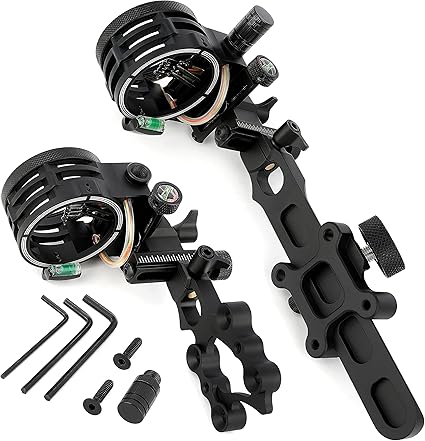
To effectively adjust your bow sight, having the right tools can make the process smoother: – Allen wrenches for adjusting screws. – A bow square for checking alignment. – A rangefinder to measure distances accurately.
When to Seek Professional Help
If you find that you’re consistently missing your target even after making adjustments, it may be time to seek professional help. A local archery shop can provide expert advice and assistance in adjusting bow sight.
: The Path to Precision
Adjusting your bow sight is an essential skill every archer should master. By following these steps and avoiding common mistakes, you can improve your accuracy and confidence in the field.
Remember, practice makes perfect, and with time, you’ll become adept at adjusting bow sight to suit your shooting style.
Adjust Bow Sight: The Ultimate Guide to Components
When you want to adjust bow sight systems effectively, understanding the components is crucial. A bow sight is an essential tool for archers, enabling precise aiming and enhancing overall shooting accuracy. This guide will break down the primary components of a bow sight and their functions, ensuring you can make the most informed adjustments.
Understanding the Core Components of a Bow Sight
To adjust bow sight systems accurately, you need to be familiar with the key components. Here’s a breakdown:
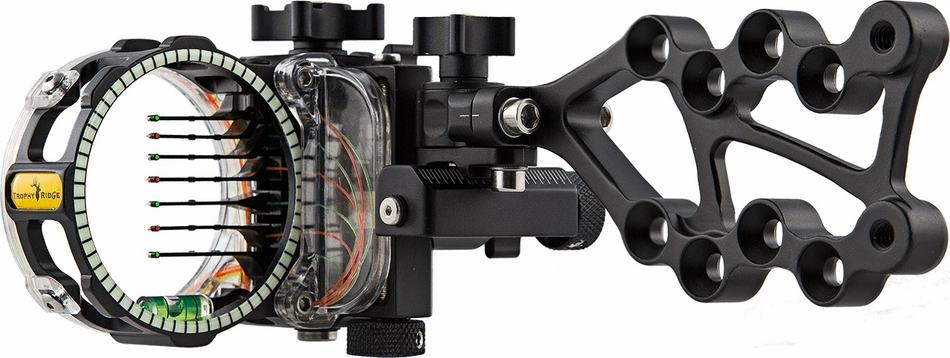
- Pin: The most visible part of a bow sight, the pin is what you align with your target. Different sights can have one or multiple pins.
- Housing: The housing protects the pin and can come in various sizes. A larger housing can provide a wider field of view.
- Level: The level helps ensure that your bow is level when aiming. This is crucial for accuracy, especially at longer distances.
- Adjustment Knobs: These allow you to fine-tune your sight. Adjusting elevation and windage can significantly impact your shooting.
- Mounting Bracket: This component attaches the sight to your bow. A solid mounting bracket is essential for stability and accuracy.
How to Adjust Bow Sight for Optimal Performance
Once you understand the components, you can effectively adjust bow sight settings for your needs. Here’s how:
- Set Your Initial Distance: Determine your shooting distance (e.g., 20 yards) and set your sight accordingly.
- Adjust Elevation: Use the elevation knob to raise or lower the pin. This adjustment is crucial for hitting targets at varying distances.
- Windage Adjustment: Use the windage knob to move the pin left or right. This is particularly important when shooting in windy conditions.
- Test Your Adjustments: After making adjustments, shoot at your target to check accuracy. Fine-tune as necessary.
Choosing the Right Bow Sight Components
When looking to adjust bow sight components, consider the following factors:
- Type of Sight: Decide between fixed pin sights, movable pin sights, or single-pin sights based on your shooting style.
- Material: Look for durable materials like aluminum or carbon fiber that can withstand outdoor conditions.
- Light Gathering: Some sights come with light-gathering technology, which can help in low-light conditions.
- Price Point: Determine your budget. Higher-priced sights often offer better accuracy and durability.
Expert Tips for Maintaining Your Bow Sight
Regular maintenance can help you maintain accuracy and performance. Here are some expert tips:
- Regularly check for loose screws and tighten them to ensure stability.
- Clean the lens and housing to prevent dirt and grime from affecting visibility.
- Periodically recalibrate your sight, especially after any significant adjustments.
- Store your bow in a protective case to avoid damage to the sight.
Adjust Bow Sight: The Ultimate Guide to Mastering Windage and Elevation Adjustments
To effectively adjust a bow sight, understanding windage and elevation adjustments is crucial for any archer. These adjustments allow you to fine-tune your sight for accurate shooting, ensuring that your arrows hit their intended target. Whether you’re a beginner or a seasoned archer, mastering these adjustments can dramatically improve your performance.
Understanding Windage and Elevation
Before diving into how to adjust a bow sight, it’s essential to grasp what windage and elevation mean:
- Windage: This refers to the horizontal adjustment of your sight. It allows you to align your bow sight with the target left or right, compensating for wind or your shooting stance.
- Elevation: This is the vertical adjustment of your sight. It helps you aim higher or lower, compensating for distance to the target.
Why Adjusting Windage and Elevation Matters
Accurate adjustments can significantly impact your shooting accuracy. Here are a few reasons why mastering these adjustments is essential:
- Improved accuracy: Proper adjustments ensure your arrows hit closer to the target.
- Better adaptation: Windage and elevation adjustments allow you to adapt to different shooting conditions.
- Enhanced confidence: Knowing how to adjust bow sight effectively boosts your confidence as an archer.
How to Adjust Bow Sight for Windage
Adjusting windage is a straightforward process. Follow these steps to ensure your bow sight is properly aligned:
- Identify the target: Aim at a specific target at your desired shooting distance.
- Shoot a few arrows: Take a few shots to see where your arrows land in relation to the target.
- Assess the grouping: Determine if your shots are consistently left or right of the target.
- Make adjustments: Use the windage adjustment knob on your sight to move the sight left or right, depending on where your arrows are landing.
- Test again: Shoot another group of arrows to see if the adjustments have improved your accuracy.
How to Adjust Bow Sight for Elevation
Adjusting elevation is equally important. Here’s how you can do it:
- Select your target: Choose a target at a known distance.
- Shoot a few arrows: Fire a few arrows to see how high or low they land in relation to the target.
- Evaluate the results: Check if your arrows are consistently above or below the target.
- Adjust the elevation: Use the elevation adjustment knob to raise or lower your sight as needed.
- Re-test: Fire another group to ensure your adjustments are correct.
Adjust Bow Sight: The Ultimate Guide to Perfecting Your Aim
When it comes to archery, the ability to adjust bow sights effectively can make all the difference in your performance. A well-calibrated bow sight allows for precision and accuracy, ensuring that every shot counts. Here are some essential tips to help you fine-tune your aim and improve your shooting skills.
Understanding Your Bow Sight
Before you dive into the mechanics of how to adjust bow sight, it’s important to understand the different types available. Here are the common types:
- Fixed Pin Sights: These have multiple pins set at specific distances.
- Moveable Pin Sights: Allow you to adjust the pin for different distances.
- Single Pin Sights: These offer a clear view and can be adjusted for various ranges.
Knowing your sight type will help you understand how to adjust bow sight for optimal accuracy.
Step-by-Step Guide to Adjusting Your Bow Sight
Follow these steps to adjust bow sight accurately:
- Set Up Your Target: Place your target at a distance where you can comfortably shoot, typically 20 yards for beginners.
- Use a Stable Platform: Ensure you are shooting from a stable position. A solid stance will help improve your aim.
- Take Your Initial Shot: Fire a few arrows to see where they land in relation to your target.
- Make Adjustments: Depending on where your arrows hit, adjust your sight accordingly:
- When arrows hit high, lower your sight.
- If an arrow is low, raise your sight.
- Arrows that go left, move your sight right.
- If arrows hit right, move your sight left.
- Re-Test: After adjustments, shoot again to confirm that your aim has improved.
Fine-Tuning for Different Distances
As you become more experienced, you’ll need to adjust bow sight for varying distances. Here’s how:
- 20 Yards: Start with your sight set to the 20-yard mark and make initial adjustments.
- 30-40 Yards: For longer distances, adjust your sight pins or move the single pin to match the distance you’re shooting.
- Practice: Regularly practice at different ranges to become accustomed to how distance affects your aim.
Utilizing Technology for Bow Sight Adjustment
Modern advancements in archery technology offer tools that can assist in adjusting bow sight. Consider using:
- Laser Range Finders: These can help you accurately measure distances to your target.
- Smartphone Apps: There are various apps available that can assist in calculating the necessary adjustments based on distance and conditions.
For more information on archery technology, visit Archery 360.
Common Mistakes to Avoid When Adjusting Your Bow Sight
While learning to adjust bow sight, be mindful of these common pitfalls:
- Not Checking Your Form: Your shooting form affects accuracy; ensure it’s consistent before making sight adjustments.
- Over-Adjusting: Small adjustments can make a big difference; avoid making drastic changes all at once.
- Neglecting Wind Conditions: Wind can affect arrow flight; take it into account when aiming and adjusting.
By following these tips and being mindful of common mistakes, you can effectively adjust your bow sight and enhance your archery skills.