Comparative Analysis: Compound Bows vs. Traditional Bows

Compound Bow vs Traditional Bow! Which is Better for YOU?


Compound bow vs traditional bow: 7 Essential Differences You Must Know

When it comes to archery, the debate of compound bow vs traditional bow is one that sparks interest among both beginners and seasoned archers alike.

Each type of bow offers unique advantages and caters to different preferences, making it crucial to understand their key differences. In this post, we’ll explore the essential features, benefits, and drawbacks of both compound and traditional bows, helping you make an informed choice for your archery needs.

Understanding the Basics of Compound Bows

Compound bows have revolutionized the world of archery. They utilize a system of pulleys and cables that provide a mechanical advantage, allowing for greater power and accuracy. Here are some key characteristics:

  • Mechanical Advantage: The pulley system reduces the amount of force needed to draw the bowstring, allowing for easier handling and increased energy transfer to the arrow.
  • Adjustable Draw Weight: Most compound bows come with adjustable draw weights, making it easier for archers to modify their setup according to their strength and skill level.
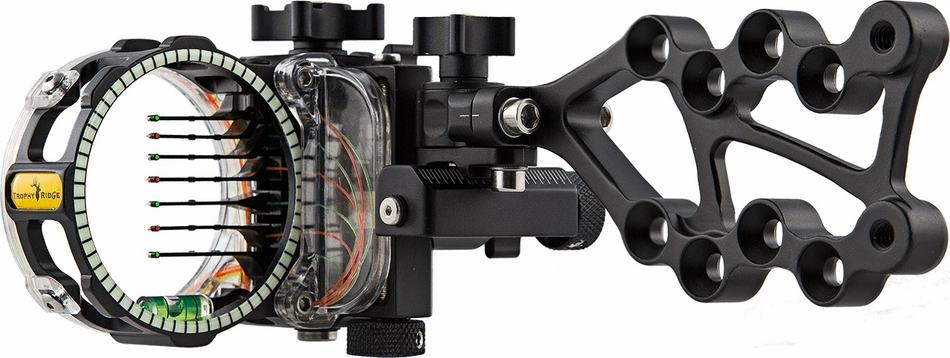
  • Precision Sight Systems: Compound bows often incorporate advanced sight systems, enhancing accuracy and enabling longer-range shooting.

Exploring Traditional Bows

Traditional bows, often referred to as recurve or longbows, have a rich history and are favored for their simplicity and elegance. Here are some defining features:

  • Classic Design: Traditional bows have a straightforward design with no complex mechanisms, making them appealing to purists.
  • Direct Feel: Archers often report a more authentic shooting experience with traditional bows, as they provide a direct connection between the archer and the arrow.
  • No Maintenance: With fewer moving parts, traditional bows require minimal maintenance compared to their compound counterparts.

Key Differences in Performance

When comparing compound bow vs traditional bow, performance is a critical factor. Here’s how they stack up:

Speed and Power

Compound bows generally outperform traditional bows in terms of speed and power. The mechanical systems in compound bows allow for faster arrow speeds, making them ideal for hunting and competitive shooting. Traditional bows, while slower, offer a unique shooting experience that many archers cherish.

Accuracy

Accuracy is another area where compound bows tend to excel. The advanced sight systems and stability provided by the bow’s design contribute to improved precision. Traditional bows require more skill and practice to achieve similar levels of accuracy, but many archers find the challenge rewarding.

Ease of Use and Learning Curve

For beginners, the compound bow vs traditional bow debate often hinges on ease of use. Here’s a breakdown:

Compound Bows

Compound bows are typically easier for beginners to handle due to their adjustable draw weight and mechanical advantages. The reduced effort needed to draw the bowstring makes them more user-friendly, particularly for those who may not have the upper body strength required for traditional bows.

Traditional Bows

While traditional bows may have a steeper learning curve, they offer a more immersive experience. Archers must develop proper form and technique, which can enhance overall skills. The simplicity of traditional bows can also be appealing to those who appreciate the art of archery.

Cost Considerations

When comparing compound bow vs traditional bow, cost is an essential aspect to consider:

  • Compound Bows: Generally, compound bows are more expensive due to their complex design and technology. Prices can range significantly based on brand and features.
  • Traditional Bows: Traditional bows are often more affordable, making them a great entry point for new archers. However, high-quality traditional bows can also be quite costly.

Maintenance and Durability

Maintenance requirements can differ significantly between the two types of bows:

Compound Bows

Due to their intricate systems, compound bows require regular maintenance. This includes checking the cables, pulleys, and sights to ensure everything functions correctly. Regular tuning is also necessary to maintain optimal performance.

Traditional Bows

Traditional bows are generally more durable and require less maintenance. With fewer moving parts, the risk of mechanical failure is lower, making them a reliable choice for many archers.

Choosing the Right Bow for You

Deciding between a compound bow and a traditional bow ultimately depends on your preferences and goals in archery. Here are some factors to consider:

  • Purpose: Are you hunting, competing, or practicing for fun? Your goals will influence your choice.
  • Experience Level: Beginners might find compound bows easier to start with, while experienced archers may prefer the challenge of traditional bows.
  • Budget: Consider how much you are willing to invest in your archery equipment.

So Which bow is for you?

The choice between a compound bow and a traditional bow is personal and should align with your individual preferences and archery goals. Understanding the differences in performance, ease of use, cost, and maintenance will help you make an informed decision.

Whether you lean towards the modern technology of compound bows or the classic appeal of traditional bows, both options offer unique experiences that can enrich your archery journey.

For more information about archery equipment, you can check out resources from Archery 360 and Bowhunting.com.

Compound Bow vs Traditional Bow: The Ultimate Performance Comparison

When it comes to archery, the debate between compound bow vs traditional bow is one that many enthusiasts engage in. Both types of bows offer unique advantages and challenges that can significantly impact performance and accuracy. Understanding these differences can help you choose the right equipment for your needs.

Performance Metrics: Compound Bow vs Traditional Bow

The performance of a bow is often measured in terms of speed, power, and ease of use. Here’s a breakdown of how compound bows and traditional bows stack up against each other:

  • Speed: Compound bows are designed for speed, often reaching arrow speeds of 300 feet per second or more. Traditional bows typically have a slower arrow speed, ranging from 150 to 200 feet per second.
  • Power: With their mechanical systems, compound bows provide greater power and energy transfer, resulting in more force behind each shot. Traditional bows rely solely on the archer’s strength and technique.
  • Ease of Use: Compound bows come with adjustable draw weights and let-off systems, making them easier to handle for longer periods. Traditional bows require more physical strength and skill to operate effectively.

Accuracy: Compound Bow vs Traditional Bow

Accuracy is crucial in archery, and the type of bow you choose can make a significant difference. Here are key factors affecting accuracy in the compound bow vs traditional bow comparison:

  • Stabilization: Compound bows often include stabilizers that help reduce vibration and improve balance, leading to better accuracy. Traditional bows lack this feature, which can affect shot consistency.
  • Sights: Many compound bows come equipped with advanced sight systems that enhance aiming precision. Traditional bows usually rely on instinctive shooting or simple sighting methods.
  • Adjustability: The adjustable features of compound bows allow users to fine-tune their settings for optimal performance, while traditional bows require more practice to master accuracy.

Factors Influencing Performance and Accuracy

Several factors influence the performance and accuracy of both compound bows and traditional bows. Understanding these can help you make an informed choice:

  1. Bow Design: The design and materials used in the construction of the bow can significantly impact performance. Compound bows often use advanced materials that enhance durability and performance.
  2. Archer Skill Level: Regardless of the bow type, the skill level of the archer plays a crucial role in accuracy. Beginners may find compound bows easier to learn on, while experienced archers may prefer the challenge of traditional bows.
  3. Environmental Conditions: Wind, humidity, and temperature can affect arrow flight. Understanding how to adjust for these conditions is essential for both bow types.

Choosing the Right Bow for Your Needs

When deciding between compound bow vs traditional bow, consider the following:

  • Purpose: Are you hunting, target shooting, or participating in competitions? Each bow type has advantages tailored to specific activities.
  • Budget: Compound bows can be more expensive due to their complex technology, while traditional bows often offer a more budget-friendly option.
  • Personal Preference: Ultimately, the best bow is one that feels comfortable and suits your shooting style. Test both types to see which one resonates with you.

For more detailed insights on bow performance, you can refer to authoritative sources such as Archery 360 and Bowhunting.com. These platforms provide comprehensive guides and expert opinions on the ongoing debate of compound bow vs traditional bow.

Compound Bow vs Traditional Bow: The Ultimate Ease of Use Comparison

When it comes to archery, the debate between compound bow vs traditional bow often centers around ease of use and the learning curve associated with each type. Understanding these factors can help you make an informed choice about which bow suits your needs best.

Understanding the Basics of Compound Bow vs Traditional Bow

Both compound and traditional bows have their unique features that appeal to different archers. Here’s a breakdown of how they compare in terms of ease of use:

  • Compound Bows: These bows utilize a system of pulleys and cams to assist in drawing and holding the string, which significantly reduces the effort needed to hold the bow at full draw.
  • Traditional Bows: These include longbows and recurve bows, which rely solely on the archer’s strength to pull back the string, often requiring more skill and physical effort.

Learning Curve: Compound Bow vs Traditional Bow

The learning curve is an essential aspect to consider when choosing between compound bow vs traditional bow. Here’s how they stack up:

  1. Compound Bows: Generally, they are easier for beginners due to their mechanical advantages. The let-off feature allows archers to hold the bow at full draw with less fatigue, making it easier to aim and shoot accurately.
  2. Traditional Bows: These require more practice to master. Archers must develop strength and technique, as there are no mechanical aids. This can be challenging for new archers but rewarding for those who appreciate the skill involved.

Adjustability and Customization in Compound Bow vs Traditional Bow

Another factor influencing ease of use is adjustability. Both types of bows offer different levels of customization:

  • Compound Bows: Typically come with adjustable draw weights and lengths, allowing for a personalized fit. This adaptability makes them suitable for a wider range of users.
  • Traditional Bows: While some traditional bows can be customized, they often come in fixed sizes and weights, which may not be ideal for all users.

Maintenance and Care: Compound Bow vs Traditional Bow

Maintenance plays a crucial role in the overall experience of using a bow. Here’s how they compare:

  1. Compound Bows: Require regular maintenance, including checking the strings and cables, ensuring the cams are aligned, and keeping the sight calibrated. However, their durability often means they need less frequent replacements.
  2. Traditional Bows: Typically require less technical maintenance but need regular checks for wood integrity and string condition. They can be more susceptible to environmental factors like humidity.

Choosing the Right Bow for Your needs

Ultimately, the choice between compound bow vs traditional bow boils down to your personal preferences and goals in archery. If you value ease of use and a shorter learning curve, a compound bow may be the better option.

Conversely, if you’re drawn to the traditional aspect of archery and are willing to invest time in mastering your skills, a traditional bow could be the right fit.

For more detailed insights, consider visiting Archery 360 for expert advice on bow selection and techniques.

Compound Bow vs Traditional Bow: The Ultimate Maintenance Guide

When comparing a compound bow vs traditional bow, one of the most critical aspects to consider is maintenance and durability. Each type of bow has its own unique requirements, which can significantly affect their lifespan and performance. Understanding these differences can help you make an informed choice when selecting your archery equipment.

Maintenance Needs of Compound Bows

Compound bows are engineered with advanced technology, which can simplify maintenance but also requires specific care. Here are some essential maintenance tasks:

  • Regular String Inspection: Check the bowstring for fraying or wear. Replace it every 1-2 years, depending on usage.
  • Cam and Limb Care: Inspect the cams and limbs for cracks or damage. Clean them regularly to prevent dirt buildup.
  • Lubrication: Apply lubricant to the axles and bearings to ensure smooth operation.
  • Adjustments: Regularly check and adjust the sights and peep sight for accuracy.

With proper maintenance, a compound bow can last for many years, making it a durable option for serious archers.

Maintenance Needs of Traditional Bows

In contrast, traditional bows, such as recurve and longbows, have different maintenance needs that reflect their simpler construction:

  • Wood Care: If your traditional bow is made of wood, it’s crucial to keep it in a controlled environment to prevent warping or cracking.
  • String Condition: Inspect the bowstring regularly for wear and replace it as needed, typically every few years.
  • Finish Maintenance: Reapply protective finishes to the wood to enhance durability and prevent moisture damage.

Although traditional bows may require more attention to environmental factors, they can also be incredibly durable if cared for properly.

Durability Comparison: Compound Bow vs Traditional Bow

When considering durability, the compound bow vs traditional bow debate often highlights the following points:

  1. Material Composition: Compound bows are usually made from advanced materials like aluminum and carbon, which provide strength and resistance to environmental factors.
  2. Construction Complexity: The intricate design of compound bows can lead to more potential points of failure, while traditional bows, with their simpler design, may be more robust in some scenarios.
  3. Usage Frequency: Compound bows are often used more frequently in competitive settings, which can lead to quicker wear and tear compared to traditional bows, which may be used more casually.

Factors Influencing Longevity

Several factors can influence the longevity of both compound and traditional bows:

  • Frequency of Use: Regular use can wear out components faster, especially in compound bows.
  • Storage Conditions: Proper storage in a climate-controlled environment can extend the life of both types of bows.
  • Quality of Materials: Higher-quality materials generally lead to better durability.

Understanding these factors can help archers maintain their equipment effectively, ensuring that they get the most out of their investment.

Expert Tips for Maintaining Your Bow

Whether you choose a compound bow vs traditional bow, here are some expert tips for maintaining your equipment:

  1. Keep It Clean: Regularly clean your bow to remove dirt and debris that can cause damage.
  2. Use Proper Tools: Invest in the right tools for adjustments and maintenance to avoid damaging your bow.
  3. Stay Informed: Follow manufacturer guidelines and seek advice from experienced archers or professionals.

For more detailed information on bow maintenance, consider visiting Archery 360 for expert insights.

Maximize Your Precision: Your Guide to Archery Slider Sights

BUDGET SLIDER BOW SIGHTS || UNDER $300

Archery slider sights: 7 Essential Features You Must Know

Archery slider sights are a critical component for precision shooting in archery. Whether you’re a beginner or a seasoned archer, understanding the intricacies of these sights can significantly enhance your performance. In this article, we will explore the essential features of archery slider sights, helping you make informed decisions for your archery setup.


What Are Archery Slider Sights?

Archery slider sights are specialized aiming devices that allow archers to adjust their sight settings according to varying distances. Unlike fixed sights, slider sights enable users to slide the pin to the appropriate distance, providing greater accuracy over longer ranges. This feature is particularly beneficial for hunting and competitive shooting, where precision is paramount.

How Do Archery Slider Sights Work?

The mechanics of archery slider sights are relatively straightforward. Here’s how they function:

  • Adjustable Pins: Slider sights typically come with multiple pins that can be adjusted for different distances.
  • Slider Mechanism: The sight includes a slider that allows the archer to move the sight pin up or down for distance adjustments.
  • Markings: Most slider sights have markings or a scale to indicate the distance setting.

Key Features of Archery Slider Sights

When selecting archery slider sights, consider the following essential features:

1. Material Quality

The durability and weight of the sight largely depend on the materials used. Look for sights made from high-quality aluminum or carbon fiber, as these materials provide a good balance between strength and weight.

2. Adjustable Sight Housing

An adjustable sight housing allows archers to customize their sight picture. This feature can significantly enhance clarity and precision, making it easier to aim accurately.

3. Micro-Adjustments

Micro-adjustment capabilities enable finer tuning of the sight. This is particularly beneficial for competitive archers who require precise adjustments for different shooting conditions.

4. Lighted Pins

Lighted pins are a gamechanger for shooting in low-light conditions. They enhance visibility and help maintain focus on the target, especially during dawn or dusk.

5. Easy-to-Read Markings

Clear and easy-to-read distance markings on the slider are crucial for quick adjustments. Furthermore, look for sights that offer large, bold numbers for effortless visibility.

6. Compatibility with Various Bows

Ensure that the archery slider sights you choose are compatible with your bow type. Some sights are designed for specific models, while others offer universal fittings.

7. Price and Warranty

Price can vary significantly based on features and brand. It’s essential to find a balance between quality and cost. Additionally, check for warranty options, as this can provide peace of mind regarding your investment.

Benefits of Using Archery Slider Sights

Utilizing archery slider sights comes with several advantages:

  • Increased Accuracy: The ability to adjust for distance directly correlates with improved shot accuracy.
  • Versatility: Ideal for various shooting scenarios, from 3D archery to hunting.
  • Enhanced Confidence: Knowing you have the right sight setup can boost your confidence when aiming at targets.

Choosing the Right Archery Slider Sights

Selecting the right archery slider sights can be overwhelming due to the multitude of options available. Here are some tips to help you make the right choice:

  • Research Brands: Firstly, look for reputable brands known for quality and performance. Consider checking reviews on sites like Archery Talk for user experiences.
  • Test Before Buying: If possible, test different sights at an archery shop to see which feels best for you.
  • Seek Recommendations: Consult with experienced archers or coaches for their insights on the best slider sights.

Installation and Setup of Archery Slider Sights

Proper installation and setup of your archery slider sights are crucial for optimal performance. Here’s a step-by-step guide:

  1. Mount the Sight: Securely attach the sight to your bow using the provided hardware.
  2. Align the Sight: Ensure the sight is level and aligned with your bowstring.
  3. Set the Pins: Adjust the pins according to your preferred distances.
  4. Test and Adjust: Shoot at various distances to ensure accuracy and make necessary adjustments.

Maintenance Tips for Archery Slider Sights

To prolong the lifespan of your archery slider sights, follow these maintenance tips:

  • Regular Cleaning: Clean the sight regularly to remove dirt and debris.
  • Check for Damage: Inspect the sight for any signs of wear or damage, especially after use in rough conditions.
  • Proper Storage: Store your bow and sights in a cool, dry place to prevent corrosion and degradation.

Understanding the Cost of Archery Slider Sights

The price range for archery slider sights can vary widely, typically ranging from $100 to over $500. Factors influencing the cost include:

  • Brand Reputation: Established brands may charge more for their quality and reliability.
  • Features: Additional features such as lighted pins or micro-adjustments can increase the price.
  • Build Quality: Higher-end materials and construction often come with a higher price tag.

Know Your Archery Slider Sights

Archery slider sights are an essential tool for any archer looking to improve their accuracy and shooting experience. Moreover, by understanding their features, benefits, and maintenance, you can make the most of your archery setup. For more information on archery equipment, consider visiting Archery 360.

Archery Slider Sights: The Ultimate Guide for Precision Shooting

When it comes to archery, precision is paramount. Archery slider sights are designed to enhance your shooting accuracy by allowing you to adjust for varying distances quickly and efficiently.

Furthermore, these sights provide archers with the ability to make fine adjustments, ensuring that every shot counts. Whether you’re a beginner or a seasoned expert, understanding the features and benefits of archery slider sights can significantly improve your performance on the range or in the field.

Why Choose Archery Slider Sights?

Archery slider sights offer several advantages over traditional fixed sights. Here are some compelling reasons to consider them:

  • Adjustability: Easily modify your sight settings based on distance, making it easier to hit your target.
  • Precision: Fine-tune your aim with micro-adjustment features, allowing for more accurate shooting.
  • Versatility: Ideal for various shooting conditions, whether in competitions or hunting scenarios.
  • Enhanced Visibility: Many slider sights come with illuminated options, improving visibility in low-light conditions.

Key Features of Archery Slider Sights

When selecting archery slider sights, consider the following features that can enhance your shooting experience:

  1. Single vs. Multi-Pin: Decide whether you prefer a single pin for simplicity or multiple pins for quick reference.
  2. Material Quality: Look for durable materials that can withstand outdoor conditions.
  3. Ease of Adjustment: Ensure the sight has smooth operation for quick adjustments during practice or competition.
  4. Weight: Lightweight options are beneficial for long treks in the field.

Top Brands of Archery Slider Sights

Several brands stand out in the archery slider sights market, known for their reliability and innovative technology:

  • HHA Sports: Renowned for their high-quality sights that offer precision and durability.
  • Spot-Hogg: Known for their robust construction and user-friendly adjustments.
  • Black Gold: Offers customizable options that cater to individual preferences and shooting styles.
  • TruGlo: Provides affordable options without compromising on quality.

How to Properly Set Up Archery Slider Sights

Setting up your archery slider sights correctly is crucial for optimal performance. Follow these steps:

  1. Mount the Sight: Attach the sight securely to your bow, ensuring it’s level.
  2. Set the 20-Yard Mark: Start at a known distance, usually 20 yards, and adjust the sight to align with your arrow’s point of impact.
  3. Adjust for Distance: Use the slider to set distances for 30, 40, and 50 yards, checking accuracy at each point.
  4. Fine-Tune Settings: Make micro-adjustments as needed based on your shooting results.

Inspection and storage is crucial

To ensure longevity and consistent performance, regular maintenance of your archery slider sights is essential:

  • Clean Regularly: Remove dirt and debris from the sight to maintain visibility.
  • Check Tightness: Regularly inspect screws and mounts to prevent loosening during use.
  • Store Properly: Keep your sight in a protective case when not in use to avoid damage.

Elevating Your Game with Archery Slider Sights

By investing in quality archery slider sights, you can enhance your shooting precision and overall performance. Additionally, understanding their features, benefits, and maintenance will help you make the most of your archery experience.

Archery Slider Sights: The Ultimate Guide to Precision Target Acquisition

When it comes to improving your accuracy and enhancing target acquisition, archery slider sights are an essential tool for any archer. These sights allow for precise adjustments and can significantly improve your shooting performance, whether you are a beginner or an experienced hunter. Understanding how to effectively use these sights can make a considerable difference in your archery experience.

Understanding Archery Slider Sights

Archery slider sights are designed to help archers make accurate shots at various distances. What’s more, these sights typically feature a movable sight pin that can be adjusted based on the distance to the target. Here are some key components:

  • Adjustable Pins: Allow for quick distance adjustments.
  • Micro-Adjustments: Enable fine-tuning for precise accuracy.
  • Durable Construction: Built to withstand the rigors of outdoor use.

Choosing the Right Archery Slider Sights

When selecting archery slider sights, consider the following factors to ensure you make the best choice:

  • Material: Look for lightweight yet durable materials like aluminum or carbon fiber.
  • Pin Configuration: Next, decide between single or multi-pin setups based on your shooting style.
  • Ease of Use: Ensure the sight is easy to adjust in the field.

Expert Tips for Maximizing Target Acquisition with Archery Slider Sights

To enhance your target acquisition skills using archery slider sights, consider these expert tips:

  1. Practice at Varying Distances: Familiarize yourself with how the sight performs at different ranges.
  2. Utilize a Rangefinder: This tool can help you determine the exact distance to your target, allowing for precise adjustments.
  3. Focus on Form: In addition, maintain a consistent shooting form to complement the accuracy provided by your sights.

Resources for Archery Slider Sights

For more information on archery slider sights, check out these authoritative sources:

  • Archery Talk – A community dedicated to all thing’s archery.
  • Bowhunting.com – Offers tips and gear reviews for bowhunters.

By understanding the features and benefits of archery slider sights, you can significantly improve your target acquisition capabilities. Furthermore, take the time to choose the right sight, practice regularly, and maintain your equipment to ensure optimal performance on the range or in the field.

Archery Slider Sights: The Ultimate Customization Guide for Every Archer

When it comes to precision in archery, archery slider sights play a crucial role. These sights not only enhance accuracy but also allow for a tailored shooting experience that can adapt to various conditions and personal preferences. Customization is key for every archer, whether you’re a beginner or a seasoned pro.

Customization Options for Archery Slider Sights

Customizing your archery slider sights can greatly improve your shooting accuracy and comfort. Here are several options to consider:

1. Pin Size and Color

Choosing the right pin size can influence your accuracy. Smaller pins are less obstructive but can be harder to see, especially in low light. Conversely, larger pins are easier to see but may cover more of your target. Additionally, different colors can help you quickly identify your pins against various backgrounds.

2. Sight Housing

The sight housing can also be customized. Options include:

  • Round vs. Square: Round housings can provide a more traditional look, while square housings may offer a larger field of view.
  • Lighted Options: Incorporating LED lights can enhance visibility in low-light conditions.

3. Adjustment Mechanisms

Different archery slider sights come with various adjustment mechanisms. Some options include:

  • Micro-Adjustable: Allows for fine-tuning adjustments for precision shooting.
  • Tool-Less Adjustments: Enables quick and easy adjustments without needing extra tools.

4. Mounting Options

Choosing the right mounting system is essential for stability and ease of use. Consider the following:

  • Vertical vs. Horizontal: Depending on your bow setup, one orientation may offer better alignment.
  • Quick Release: Additionally, some sights offer quick-release options for easy transport and storage.

Why Customization Matters in Archery Slider Sights

The customization of archery slider sights is not just about aesthetics; it significantly impacts performance. Here’s why:

  • Improved Accuracy: Tailoring your sight to your shooting style can lead to better shot placement.
  • Increased Comfort: A customized sight can reduce fatigue during long shooting sessions.
  • Personal Preference: Every archer has unique preferences; customization allows for a personalized shooting experience.

In conclusion, with the right adjustments and personalized features, archery slider sights can transform your archery experience, making it more enjoyable and effective.

Adjust Your Bow Sight for Optimal Accuracy

Adjust Bow Sight: 5 Essential Tips That Will Transform Your Accuracy

adjust bow sight

Understanding the Importance of Bow Sights

When it comes to archery, the ability to accurately adjust a bow sight can make a significant difference in your performance.  A properly adjusted bow sight allows you to hit your target consistently, improving not only your accuracy but also your confidence as an archer.

Bow sights come in various types, including fixed pin sights, movable sights, and single-pin sights. Each type has its own unique features and benefits, which can influence how you adjust bow sight for optimal performance. Understanding these differences is crucial for any archer looking to enhance their skills.

Types of Bow Sights

Before diving into how to adjust a bow sight, it’s essential to familiarize yourself with the different types available:

Fixed Pin Sights: These sights have multiple pins set at specific distances. You can adjust your aim by selecting the pin that corresponds to your target distance.

Movable Sights: These allow you to adjust the sight for varying distances on the fly. They often have a single pin that can be moved up or down.

Single-Pin Sights: These sights are designed for precision and typically require you to adjust the pin for each distance. Understanding which type of sight you have will help you in the adjustment process.

How to Adjust Bow Sight: Step-by-Step Guide

Adjusting your bow sight may seem daunting, but it can be broken down into manageable steps. Here’s a step-by-step guide to help you adjust a bow sight effectively.

Step 1: Set Up Your Bow

Firstly, ensure your bow is properly set up. This includes: – Checking your bow’s draw weight. – Ensuring your arrow rest is correctly positioned. – Tuning your arrows for optimal flight. A well-tuned bow will provide a solid foundation for your sight adjustments.

Step 2: Choose Your Distance

Next, decide on a distance for your initial sighting. A common starting point is 20 yards. This distance allows you to make adjustments without overwhelming yourself.

Step 3: Shoot and Observe

Take a few shots at your target. Observe where your arrows land in relation to your aim. This will give you a baseline for adjustments. – If your arrows are hitting high, you’ll need to lower your sight. – If they are hitting low, raise your sight.

Step 4: Make Adjustments

Now it’s time to adjust bow sight. Most sights have adjustment knobs or screws for elevation and windage. Here’s how to make those adjustments: – Elevation Adjustment: Turn the knob or screw to raise or lower your sight.

A common rule of thumb is that moving the sight up will raise your shot and moving it down will lower it. – Windage Adjustment: This adjusts your sight left or right. If your arrows are hitting to the left of your target, move your sight to the right, and vice versa.

Step 5: Repeat and Fine-Tune

After making adjustments, shoot again. Repeat the process until your shots consistently hit the target. Fine-tuning may take time, but it’s essential for achieving accuracy.

Common Mistakes to Avoid When Adjusting Bow Sight

While learning how to adjust bow sight, it’s easy to make mistakes. Here are some common pitfalls to avoid:

Not Checking Your Bow Setup: Always ensure your bow is properly tuned before adjusting your sight.

Ignoring the Distance: Make adjustments based on the distance you’re shooting. What works at 20 yards may not work at 30 yards.

Over-adjusting: Small adjustments can make a big difference. Additionally, avoid making drastic changes all at once.

Tools You’ll Need

To effectively adjust your bow sight, having the right tools can make the process smoother: – Allen wrenches for adjusting screws. – A bow square for checking alignment. – A rangefinder to measure distances accurately.

When to Seek Professional Help

If you find that you’re consistently missing your target even after making adjustments, it may be time to seek professional help. A local archery shop can provide expert advice and assistance in adjusting bow sight.

: The Path to Precision

Adjusting your bow sight is an essential skill every archer should master. By following these steps and avoiding common mistakes, you can improve your accuracy and confidence in the field.

Remember, practice makes perfect, and with time, you’ll become adept at adjusting bow sight to suit your shooting style.

Adjust Bow Sight: The Ultimate Guide to Components

When you want to adjust bow sight systems effectively, understanding the components is crucial. A bow sight is an essential tool for archers, enabling precise aiming and enhancing overall shooting accuracy. This guide will break down the primary components of a bow sight and their functions, ensuring you can make the most informed adjustments.

Understanding the Core Components of a Bow Sight

To adjust bow sight systems accurately, you need to be familiar with the key components. Here’s a breakdown:

  • Pin: The most visible part of a bow sight, the pin is what you align with your target. Different sights can have one or multiple pins.
  • Housing: The housing protects the pin and can come in various sizes. A larger housing can provide a wider field of view.
  • Level: The level helps ensure that your bow is level when aiming. This is crucial for accuracy, especially at longer distances.
  • Adjustment Knobs: These allow you to fine-tune your sight. Adjusting elevation and windage can significantly impact your shooting.
  • Mounting Bracket: This component attaches the sight to your bow. A solid mounting bracket is essential for stability and accuracy.

How to Adjust Bow Sight for Optimal Performance

Once you understand the components, you can effectively adjust bow sight settings for your needs. Here’s how:

  1. Set Your Initial Distance: Determine your shooting distance (e.g., 20 yards) and set your sight accordingly.
  2. Adjust Elevation: Use the elevation knob to raise or lower the pin. This adjustment is crucial for hitting targets at varying distances.
  3. Windage Adjustment: Use the windage knob to move the pin left or right. This is particularly important when shooting in windy conditions.
  4. Test Your Adjustments: After making adjustments, shoot at your target to check accuracy. Fine-tune as necessary.

Choosing the Right Bow Sight Components

When looking to adjust bow sight components, consider the following factors:

  • Type of Sight: Decide between fixed pin sights, movable pin sights, or single-pin sights based on your shooting style.
  • Material: Look for durable materials like aluminum or carbon fiber that can withstand outdoor conditions.
  • Light Gathering: Some sights come with light-gathering technology, which can help in low-light conditions.
  • Price Point: Determine your budget. Higher-priced sights often offer better accuracy and durability.

Expert Tips for Maintaining Your Bow Sight

Regular maintenance can help you maintain accuracy and performance. Here are some expert tips:

  • Regularly check for loose screws and tighten them to ensure stability.
  • Clean the lens and housing to prevent dirt and grime from affecting visibility.
  • Periodically recalibrate your sight, especially after any significant adjustments.
  • Store your bow in a protective case to avoid damage to the sight.

Adjust Bow Sight: The Ultimate Guide to Mastering Windage and Elevation Adjustments

To effectively adjust a bow sight, understanding windage and elevation adjustments is crucial for any archer. These adjustments allow you to fine-tune your sight for accurate shooting, ensuring that your arrows hit their intended target. Whether you’re a beginner or a seasoned archer, mastering these adjustments can dramatically improve your performance.

Understanding Windage and Elevation

Before diving into how to adjust a bow sight, it’s essential to grasp what windage and elevation mean:

  • Windage: This refers to the horizontal adjustment of your sight. It allows you to align your bow sight with the target left or right, compensating for wind or your shooting stance.
  • Elevation: This is the vertical adjustment of your sight. It helps you aim higher or lower, compensating for distance to the target.

Why Adjusting Windage and Elevation Matters

Accurate adjustments can significantly impact your shooting accuracy. Here are a few reasons why mastering these adjustments is essential:

  • Improved accuracy: Proper adjustments ensure your arrows hit closer to the target.
  • Better adaptation: Windage and elevation adjustments allow you to adapt to different shooting conditions.
  • Enhanced confidence: Knowing how to adjust bow sight effectively boosts your confidence as an archer.

How to Adjust Bow Sight for Windage

Adjusting windage is a straightforward process. Follow these steps to ensure your bow sight is properly aligned:

  1. Identify the target: Aim at a specific target at your desired shooting distance.
  2. Shoot a few arrows: Take a few shots to see where your arrows land in relation to the target.
  3. Assess the grouping: Determine if your shots are consistently left or right of the target.
  4. Make adjustments: Use the windage adjustment knob on your sight to move the sight left or right, depending on where your arrows are landing.
  5. Test again: Shoot another group of arrows to see if the adjustments have improved your accuracy.

How to Adjust Bow Sight for Elevation

Adjusting elevation is equally important. Here’s how you can do it:

  1. Select your target: Choose a target at a known distance.
  2. Shoot a few arrows: Fire a few arrows to see how high or low they land in relation to the target.
  3. Evaluate the results: Check if your arrows are consistently above or below the target.
  4. Adjust the elevation: Use the elevation adjustment knob to raise or lower your sight as needed.
  5. Re-test: Fire another group to ensure your adjustments are correct.

Adjust Bow Sight: The Ultimate Guide to Perfecting Your Aim

When it comes to archery, the ability to adjust bow sights effectively can make all the difference in your performance. A well-calibrated bow sight allows for precision and accuracy, ensuring that every shot counts. Here are some essential tips to help you fine-tune your aim and improve your shooting skills.

Understanding Your Bow Sight

Before you dive into the mechanics of how to adjust bow sight, it’s important to understand the different types available. Here are the common types:

  • Fixed Pin Sights: These have multiple pins set at specific distances.
  • Moveable Pin Sights: Allow you to adjust the pin for different distances.
  • Single Pin Sights: These offer a clear view and can be adjusted for various ranges.

Knowing your sight type will help you understand how to adjust bow sight for optimal accuracy.

Step-by-Step Guide to Adjusting Your Bow Sight

Follow these steps to adjust bow sight accurately:

  1. Set Up Your Target: Place your target at a distance where you can comfortably shoot, typically 20 yards for beginners.
  2. Use a Stable Platform: Ensure you are shooting from a stable position. A solid stance will help improve your aim.
  3. Take Your Initial Shot: Fire a few arrows to see where they land in relation to your target.
  4. Make Adjustments: Depending on where your arrows hit, adjust your sight accordingly:
    • When arrows hit high, lower your sight.
    • If an arrow is low, raise your sight.
    • Arrows that go left, move your sight right.
    • If arrows hit right, move your sight left.
  5. Re-Test: After adjustments, shoot again to confirm that your aim has improved.

Fine-Tuning for Different Distances

As you become more experienced, you’ll need to adjust bow sight for varying distances. Here’s how:

  • 20 Yards: Start with your sight set to the 20-yard mark and make initial adjustments.
  • 30-40 Yards: For longer distances, adjust your sight pins or move the single pin to match the distance you’re shooting.
  • Practice: Regularly practice at different ranges to become accustomed to how distance affects your aim.

Utilizing Technology for Bow Sight Adjustment

Modern advancements in archery technology offer tools that can assist in adjusting bow sight. Consider using:

  • Laser Range Finders: These can help you accurately measure distances to your target.
  • Smartphone Apps: There are various apps available that can assist in calculating the necessary adjustments based on distance and conditions.

For more information on archery technology, visit Archery 360.

Common Mistakes to Avoid When Adjusting Your Bow Sight

While learning to adjust bow sight, be mindful of these common pitfalls:

  • Not Checking Your Form: Your shooting form affects accuracy; ensure it’s consistent before making sight adjustments.
  • Over-Adjusting: Small adjustments can make a big difference; avoid making drastic changes all at once.
  • Neglecting Wind Conditions: Wind can affect arrow flight; take it into account when aiming and adjusting.

By following these tips and being mindful of common mistakes, you can effectively adjust your bow sight and enhance your archery skills.

Archery Sight Components Explained: Understanding your sight

Unlocking Precision: What Bow Sight Should I Get?

Overview of Archery Sight Components

Understanding the essential components of archery sights can significantly enhance one’s shooting experience. Each component plays a critical role in improving accuracy and ease of use. Here’s a quick overview of key elements in a typical archery sight:

  • Housing: The structure that holds all the parts together.
  • Pins: These help align the bow with the target.
  • Aperture: Offers a clear view of the sight picture.
  • Adjustment Controls: Allow for fine-tuning elevation and windage.
  • Bubble Level: Ensures the bow is perfectly vertical before the shot.

Familiarizing oneself with these components makes it easier to select, install, and maintain the right archery sight.

Understanding Different Types of Archery Sights

Fixed Pin Sights

Fixed pin sights are among the most common choices for archers because they provide reliability and simplicity. With a defined number of pins set for specific distances, shooters can focus more on aiming without overthinking adjustments during the shot. For example, a hunter might set three pins for 20, 30, and 40 yards, making quick shots instinctive.

Movable Pin Sights

On the other hand, movable pin sights allow for greater versatility. Instead of being confined to fixed distances, these sights enable the shooter to adjust the pin position based on the target range. This feature is particularly advantageous for those hunting in varying terrains. Imagine bowhunting in a mountainous area—being able to fine-tune your sight can make all the difference in a successful shot.

Pendulum Sights

Pendulum sights excel in tree stand hunting scenarios. They automatically adjust for angle shots, which is vital when shooting from an elevated position. This innovative design swings the sight down towards the target, helping you stay accurate without manually calculating distances. Archers can appreciate how this technology can simplify aiming as they focus on the hunt rather than complex adjustments.

Target Sights

When it comes to competition archery, target sights take center stage. These are built for precision, featuring micro-adjustments for windage and elevation, making them ideal for tournament scenarios. Many target archers rely on sights with multiple pins to accommodate various distances during practice, aiding in honing their shooting skills for the big day.

Peep Sights

Lastly, peep sights enhance aiming accuracy by creating a straightforward sight picture. Positioned on the string, they align with the sight housing to ensure a consistent view. Many archers find this invaluable for maintaining focus amid stress, offering a reliable reference point when taking the shot. Just ask any seasoned archer about their peep sight, and you’ll likely hear stories of improved accuracy and confidence!

Components of Archery Sights

Housing

The housing of an archery sight serves as the foundation for all its components. A robust and durable housing is essential, as it protects the inner mechanisms from damage and ensures long-standing performance. As an archer, considering the housing’s material can impact your choice; opting for lightweight materials like aluminum makes for easier handling without sacrificing strength.

Pins

Next, we have the pins, which are critical for precision aiming. Typically made of fiber optic material, these pins illuminate your target in low-light conditions. Most archers prefer sights with multiple pins, allowing for quick distance targeting. For instance, an experienced hunter might find it a game changer to quickly switch from a 20-yard pin to a 40-yard pin without missing a heartbeat.

Aperture

The aperture is where clarity meets focus. This component frames your target view and is crucial for lining up shots accurately. A larger aperture allows more light, a benefit in dim conditions. Archers often customize their aperture based on personal preference and lighting conditions, ensuring a clear sight picture that makes tackling varied environments easier.

Adjustment Controls

Adjustment controls are truly where the magic happens. These knobs allow for fine-tuning your elevation and windage, helping account for environmental factors like wind or terrain changes. For instance, after setting your pins, taking a moment to adjust for wind can save you from missing a target entirely—it’s all about making those precise tweaks when necessary.

Bubble Level

Finally, the bubble level is a tiny yet mighty feature. It ensures your bow remains perfectly vertical to promote accurate aiming. Seeing the bubble centered can give an archer a sense of reassurance. Many archers recount how relying on the bubble level has led to improved shot consistency, especially during crucial hunts or competitions. It’s the small details that often make the biggest impact!

Choosing the Right Archery Sight for Your Needs

Consideration of Shooting Style

When selecting an archery sight, the first thing to consider is your shooting style. Are you primarily hunting from a tree stand, or do you prefer target archery? Each style has different demands. For example, a hunter might benefit from a pendulum sight for angled shots, while target archers may lean toward precision-target sights with multiple pins. Understanding how you shoot makes narrowing down your options significantly easier.

Budget Constraints

Another factor to consider is budget constraints. Archery sights come in a broad price range, from budget-friendly options to high-end models loaded with features. It’s essential to evaluate what you need versus what you can afford. For instance, a beginner might start with a more affordable fixed pin sight while saving up for a more advanced sight as their skills improve and their style becomes clearer. Determine what features are essential and stay within your budget.

Compatibility with Bow Type

Lastly, ensure that the sight is compatible with your bow type. Different bows require different mounting options, which can affect the sight’s performance. If you have a compound bow, compatibility with your sight might be straightforward, but traditional bows may need specific sights designed to fit their unique structures. Researching your bow specifications and verifying compatibility with your preferred sight can save time and potential frustration. When one factors in all these elements, it becomes easier to find that perfect fit!

Installing and Adjusting Archery Sight Components

Mounting the Sight

Once you’ve selected the ideal archery sight, the first step is mounting it correctly to your bow. Typically, this involves aligning the sight’s base with your bow’s riser. Ensure you have the appropriate tools handy—typically just an Allen wrench and a screwdriver. A good friend of mine swears by securing the sight tightly to avoid any movement during shooting, saying even a slight shift can throw off precision significantly.

Setting Pin Positions

Next, it’s all about setting the pin positions. Start by sighting in at a close distance, usually around 20 yards. Once you’ve set this first pin, you can gradually move back and adjust for additional pins. For example, having a second pin for 30 yards and a third for 40 yards is a common setup among hunters, providing versatility in various shooting scenarios. Be patient during this process, as it will pay off in improved accuracy.

Adjusting for Windage and Elevation

Finally, once the pins are set, it’s time to adjust for windage and elevation. Windage adjustments help you account for side winds, while elevation adjustments are crucial when aiming at targets at different heights. Most sights have easy-to-use knobs for making these fine adjustments. A pro tip: my buddy often suggests shooting a few practice arrows after each adjustment to ensure you’re on target, as it helps confirm whether any tweaks are effective. Following these steps ensures a solid setup, leading to consistent shots!

Maintenance Tips for Archery Sights

Cleaning and Inspection

Maintaining your archery sight is crucial for ensuring accuracy and longevity. Start with regular cleaning and inspection. Use a soft cloth to gently wipe down the sight, removing dust and debris that can obstruct visibility. My friend, who competes frequently, suggests checking the pins and lens for any signs of wear or damage, as even minor imperfections can impact performance.

Proper Storage Techniques

Proper storage techniques can significantly prolong the life of your sight. Always store your bow in a protective case when not in use, especially during transportation. Avoid placing heavy items on top of your bow to prevent bending or damaging the sight. Additionally, consider using a silica gel pack in your case to keep moisture at bay, which can lead to corrosion over time.

Regular Calibration and Adjustment

Finally, commit to regular calibration and adjustment of your sight. This doesn’t just mean adjusting before a big hunt or competition. Frequent practice sessions are an excellent opportunity to verify your sight’s settings. After every few outings, make it a routine to double-check your windage and elevation settings. Many seasoned archers recommend this practice, claiming it ensures everything stays dialed in for that crucial moment when you take aim at your target!

Conclusion and Final Thoughts

In wrapping up the discussion on archery sights, it’s clear that selecting and maintaining the right sight is essential for every archer’s success. From understanding the different types of sights to the critical components and maintenance, there’s much to consider.

  • Choose wisely: Find the right fit for your shooting style and bow type.
  • Stay proactive: Regular cleaning and adjustments can make all the difference in performance.

By investing time in proper installation, adjustments, and maintenance, archers can enhance their accuracy and overall experience. Whether you’re a seasoned pro or just starting, embracing these tips will surely lead to more successful shoots and enjoyable outings on the range or in the field!

5 Pin Archery Sight Distances: Setting up your sight

Archers - Setting Up Your 5 Pin Bow Sights For Field Shooting


5-pin archery sights are game changers for archers, offering the flexibility to adjust sight distances for various ranges. Firstly, each pin corresponds to a specific distance, typically set at 20, 30, 40, 50, and sometimes 60 yards. When I first transitioned to a 5-pin sight, I found that the clear visual markers enhanced my aiming confidence.

Importance of Proper Sight Distances

Understanding proper sight distances is crucial for accuracy.

  • Consistent Performance: Properly calibrated pins allow for accurate shots across various distances.
  • Quick Adjustments: Knowing sight distances helps in rapid targeting adjustments in the field.

Misjudging these factors can lead to missed shots, so investing time in setting up your pins correctly is essential for successful archery.

Understanding Yardage and Pins

Explanation of Yardage Tapes

Yardage tapes are invaluable tools for archers, providing a visual guide for accurate distance measurement. Furthermore, they usually feature markings, indicating various shooting distances to align with your pins effectively. When I started using archery sight tapes, I realized how much they streamlined my practice sessions.

  • Key Features:
    • Durable material that’s weather resistant.
    • Clearly marked distances for quick reference.

Adjusting Pin Settings for Different Distances

Adjusting your pin settings is essential for optimal performance.

  • Start by determining your target distance.
  • Align the appropriate pin with the yardage tape.
  • Fine-tune your sight based on whether the target is uphill or downhill.

Regularly practicing these adjustments ensures you’re prepared for any scenario, boosting both accuracy and confidence during archery sessions.

Setting Up Your 5 Pin Archery Sight

Steps to Properly Mounting the Sight

Setting up your 5-pin archery sight correctly is crucial for a seamless shooting experience. First, ensure you have the right tools, such as a level and screwdriver. When I mounted my first sight, I found that following a structured process made all the difference.

  • Select the Appropriate Position: Find a spot on the riser that feels comfortable.
  • Use a Level: Ensure the sight is perfectly horizontal.
  • Tighten the Screws: Secure the sight, checking for stability.

Adjusting Each Pin for Specific Distances

Once mounted, it’s time to adjust the pins for various distances.

  • Start at 20 Yards: Set your bottom pin (typically for 20 yards) first.
  • Work Upward: Adjust the next pins progressively for 30, 40, and 50 yards based on your shooting preferences.

Fine-tuning your pins not only helps with precision but also builds confidence in your shooting ability. Regular practice will ensure you feel at home with your sight setup.

Practicing with 5 Pin Archery Sights

Developing Consistent Aim at Different Distances

Once your 5-pin archery sight is set up, getting comfortable aiming at various distances is essential. During my training, I discovered that mixing up distances during practice helped enhance my muscle memory.

  • Varying Distances: Practice shooting at 20, 30, 40, and 50 yards within the same session.
  • Target Focus: Concentrate on maintaining focus on your target rather than solely on the pins.

This variation fosters consistency in your aim across multiple ranges.

Fine-Tuning Your Shooting Technique

Fine-tuning your technique is equally important. Here’s what I found helped me improve:

  • Consistent Stance: Maintain a stable, repeatable stance for every shot.
  • Breath Control: Develop a breathing pattern that helps you remain calm during your aim.
  • Follow Through: Focus on your release and follow through after each shot.

Regular practice incorporating these elements leads to smoother, more accurate shooting, enhancing overall shooting performance.

Common Mistakes to Avoid

Misjudging Distances

One of the most significant pitfalls archers face is misjudging distances. I remember a time in the field when I confidently aimed at what I thought was a 30-yard target, only to miss entirely.

  • Use Yardage Tapes: Always refer to your yardage tape for accuracy.
  • Practice Estimation: Make it a habit to practice estimating distances off the range.

Being mindful of range and accuracy can save countless missed opportunities.

Ignoring Environmental Factors

Ignoring environmental factors can also derail your shooting.

  • Wind Direction: While shooting outside, the wind can change your arrow’s trajectory.
  • Elevation Changes: Uphill or downhill shots can affect distance perception and pin alignment.

I learned the hard way that considering these elements before taking a shot can make all the difference. Embracing these factors helps enhance your success rate and refine your shooting strategy.

Advanced Tips for 5 Pin Archery Sight Shooting

Utilizing Pin Gaps for Precision

One advanced strategy that can greatly enhance accuracy is utilizing pin gaps. Instead of solely relying on each pin for specific distances, understand how the gaps between your pins can provide additional aiming points.

  • Mastering the Gap: Use the gap between two adjacent pins for longer or shorter distances as needed.
  • Practice Gapping: In practice sessions, try aiming with these gaps to gain confidence.

This method can be especially useful when faced with variable or unpredictable targets.

Incorporating Range Estimation Techniques

Incorporating range estimation techniques can significantly improve shooting skills. My experiences in the field have shown the benefits of quickly estimating target distances.

  • Use Landmarks: Identify fixed points in your environment, like trees or rocks, to gauge distance better.
  • Create Mental Markers: Practice assigning approximate distances to various visual cues.

Ultimately, sharpening your range estimation skills complements the effectiveness of your 5-pin sight, allowing for swift, confident shooting during hunts or competitions.

Aiming Strategies for a Compound Bow: Fine tune your shot

LEARN ARCHERY: Advanced Aiming- The best tip for shooting a compound bow more accurately!

Importance of Aiming Techniques

When it comes to compound bows, mastering aiming techniques can make or break a shooting session. Proper aiming ensures that every shot counts, particularly in competitive scenarios or while hunting. As an archery enthusiast, I discovered that honing my aiming skills significantly improved my accuracy. It’s all about finding a method that feels natural and increases confidence.

Instinctive Shooting vs. Sight Shooting

Two primary aiming techniques dominate the archery community: instinctive shooting and sight shooting. Each has its merits, depending on the archer’s preferences.

  • Instinctive Shooting: This method relies on intuition and muscle memory.
    • Pros: Quick and efficient, ideal for fast-paced hunting scenarios.
    • Cons: Requires significant practice to ensure accuracy.
  • Sight Shooting: This technique utilizes sights mounted on the bow for precise targeting.
    • Pros: Offers consistency and pinpoint accuracy at various distances.
    • Cons: Can slow down the shooting process in dynamic environments.

Finding the best approach often involves experimenting with both methods to determine what works best for individual styles and situations.

Developing Your Shooting Form

Stance and Posture

A solid stance and posture are fundamental to achieving consistent accuracy with a compound bow. The way you position your body can influence your aim significantly. I remember a time when I neglected these aspects, resulting in many missed shots. A proper stance involves:

  • Feet Shoulder-width Apart: This provides a stable base.
  • Weight Distribution: Balance your weight evenly on both feet.
  • Relaxed Upper Body: Tension can lead to shaking and imprecise shots.

Finding the right stance may feel awkward initially, but with practice, it will create a strong foundation for improved shooting.

Anchor Points for Consistent Shot Placement

Another critical element in shooting form is establishing anchor points. An anchor point is where you draw the bowstring back to a consistent position each time, allowing for more reliable shot placement. Effective anchor points include:

  • Corner of the Mouth: Many archers use this as a common reference.
  • Chin or Jawline: Some prefer anchoring against the chin for stability.

Furthermore, establishing and consistently using these anchor points can drastically improve accuracy and create a repeatable shooting process, making each shot feel more instinctive and controlled.

Mental Preparation for Archery

Focus and Concentration

Mental preparation is often the unsung hero in achieving archery success. Focus and concentration can greatly influence performance, particularly in high-stakes situations. I recall a particularly challenging tournament where I struggled to keep my mind clear during each shot. Practicing mindfulness techniques helped me lock in my focus. Here are some tips to enhance concentration:

  • Breathing Exercises: Deep breaths help calm nerves and maintain focus.
  • Routine Development: A consistent pre-shot routine can prepare the mind for each shot.
  • Eliminating Distractions: Find a quiet environment to practice and minimize interruptions.

Moreover, developing mental resilience is just as important as physical skills.

Visualization Techniques

Visualization is another powerful tool in an archer’s mental arsenal. This technique involves mentally picturing successful shots before executing them, reinforcing both confidence and muscle memory. Personally, I’ve found that visualizing myself hitting the target before I step up to shoot can enhance my performance remarkably. To effectively use visualization:

  • Create a Positive Image: Picture a perfect shot and the feeling of hitting the bullseye.
  • Engage All Senses: Imagine the sounds, feelings, and even smells associated with a successful shot.
  • Practice Regularly: Include visualization in your training sessions to make it a habit.

Incorporating these mental strategies can elevate your overall shooting experience, helping you maintain calm and composure when it matters most.

Adjusting for Different Distances

Understanding Arrow Trajectory

When shooting with a compound bow, understanding arrow trajectory is essential for hitting targets at varying distances. The path an arrow takes creates a ‘rainbow’ shape, meaning it rises and then falls as it travels. In my early days of archery, I missed many shots simply because I didn’t account for this curve. Factors affecting trajectory include:

  • Bow Draw Weight: A heavier draw weight can propel the arrow faster and flatter.
  • Arrow Weight: Lighter arrows tend to have a steeper arc.
  • Shooting Distance: The farther the target, the more drop you’ll experience.

By comprehending these factors, archers can adjust their aim accordingly.

Compensation for Elevation and Windage

Compensation is crucial for accuracy, especially when shooting over varied terrain or in windy conditions. Elevation changes can significantly impact where your arrow lands. Here are some strategies:

  • Elevated Shots: For targets above you, aim slightly lower to compensate for the angle; conversely, aim higher for downward targets.
  • Windage Adjustments: Always observe wind direction. If it’s blowing from left to right, aim slightly to the left of your target.

What’s more, by adapting your aim with these considerations, you’ll become more effective in different shooting situations, leading to greater accuracy and confidence in your shooting abilities.

Practicing Without Sights

Drills for Improving Accuracy

Practicing without sights can be an enlightening experience that helps enhance your natural shooting instincts. When I first started archery, I was hesitant to let go of my reliance on sights. However, once I began practicing without them, my accuracy and instinctive shooting improved significantly. Here are some effective drills:

  • Blank Bale Shooting: Stand close to the target (about 10 yards) and shoot at a blank target without using your sights. Focus on form and feel.
  • Freestyle Shooting: Experiment with different shooting positions, distances, and scenarios without sights to develop adaptability and instinct.
  • Shot Groups: Focus on grouping your arrows within a small area, adjusting your form and focus as needed.

Building Muscle Memory

Building muscle memory is crucial for shooting consistently without sights. Consistent practice helps your body learn the correct movements over time. Here’s how to develop muscle memory:

  • Repetitive Drills: Regularly practice your stance, draw, and release to engrain the motions.
  • Slow Releases: Take your time with each shot, focusing on technique rather than speed.
  • Video Analysis: Film your practice sessions to identify areas for improvement and correct them.

By prioritizing these aspects, you’ll cultivate muscle memory that translates into smoother, more instinctive shots, ultimately enhancing your overall archery performance.

Troubleshooting Common Accuracy Issues

Addressing Flinching and Target Panic

Flinching and target panic are two common challenges that can disrupt your shooting accuracy. I remember my first competition, where the pressure caused me to flinch dramatically, resulting in a few embarrassing shots. Addressing these issues requires focused practice and mental adjustments:

  • Controlled Exhalation: Practice exhaling slowly as you shoot to help calm your nerves.
  • Focus on the Process: Concentrate on your form and technique instead of the target to reduce pressure.
  • Desensitization: Gradually expose yourself to stressful situations through simulated competition scenarios to build confidence over time.

Correcting Inconsistent Groupings

Inconsistent groupings can be frustrating, especially when you know you’re capable of more. Identifying the root causes is essential for improvement. Here’s how to troubleshoot:

  • Review Form: Ensure your stance, grip, and anchor points are consistent for every shot.
  • Experiment with Equipment: Sometimes, minor adjustments in your bow setup or arrow selection can make significant differences.
  • Keep a Journal: Document your practice sessions, noting conditions and results to identify patterns in your performance.

By tackling these common issues head-on, you can refine your technique and enjoy a much more rewarding archery experience.

Competitive Shooting and Hunting Applications

Adapting Aiming Strategies for Different Scenarios

In competitive shooting and hunting, adapting your aiming strategies is crucial for success. I’ve learned that what works in a controlled environment may not be as effective in the field. Here’s how to tailor your approach:

  • Know the Distance: Use markers or laser rangefinders to gauge how far away your target is; adjust your aim accordingly.
  • Adapt to Movement: When hunting, focus on your instinctive shooting skills to quickly adjust for moving targets.
  • Wind and Weather: In addition, always account for environmental factors—practice shooting in different conditions to become adept at making real-time adjustments.

Maximizing Accuracy in Various Shooting Environments

Maximizing accuracy in diverse shooting environments can be challenging but is key for both hunting and competition. I once struggled to maintain consistency while shooting in unpredictable weather, but these strategies helped:

  • Practice in Varied Conditions: Simulate different environments to develop adaptability.
  • Use Natural Terrain: When hunting, utilize trees and rocks as cover and rests to stabilize your shots.
  • Stay Calm and Composed: Develop mental resilience to maintain focus amidst distractions.

By honing these techniques, you can elevate your performance and ensure that every shot counts, whether you’re out there competing or hunting.

Physics behind the Compound Bow: Understanding the science

Learn the Anatomy of a Compound Bow | Bowhunt 101

Components of a Compound Bow

To truly appreciate the performance of a compound bow, it’s essential to understand its anatomy. Each component plays a vital role in how the bow works, contributing to its effectiveness and versatility:

  • Riser: The central part of the bow, where the grip is located. It’s often made from aluminum or carbon for durability and lightweight handling.
  • Limbs: These are the flexible arms on either side of the riser. They store energy when drawn and release it to propel the arrow.
  • Cams: Located at the ends of the limbs, cams create a mechanical advantage, allowing the archer to hold less weight at full draw.
  • String and Cable System: This system connects the cams and limbs, facilitating energy transfer during the shot.
  • Sights and Stabilizers: Accessories that help improve aiming and enhance balance during shooting.

Having spent time fine-tuning these components, I can attest to how important each part is in optimizing the bow’s performance.

How Compound Bows Generate Speed and Power

The mechanics behind a compound bow’s speed and power are fascinating. Essentially, the design allows the bow to store more energy than traditional bows. Here’s how it works:

  1. Mechanical Advantage: The cam system lets archers draw back the bowstring with less force, while still retaining high energy.
  2. Energy Storage: When the archer pulls back, energy is stored in the limbs. The stiffer limbs help release that energy rapidly when the string is released.
  3. Arrow Speed: Compound bows are capable of generating arrow speeds that can exceed 300 feet per second—an impressive feat, especially when accuracy is maintained.

Like many archers, I found that understanding these mechanics not only improved my shooting but also deepened my appreciation for the craft. Knowing how each component contributes to the bow’s performance transforms the experience from simple practice to mastering an intricate and rewarding skill.

Factors Affecting Distance Capabilities

Draw Length and Weight

When it comes to maximizing distance capabilities with a compound bow, two critical factors to consider are draw length and draw weight. These aspects directly influence how far an arrow can travel and how effectively you can shoot.

  • Draw Length: This is the distance the bowstring is pulled back before the shot. A proper draw length ensures that an archer can generate optimal power and maintain accuracy.
    • If the draw length is too short, you may not fully utilize the bow’s potential energy.
    • Conversely, a draw length that is too long can lead to inconsistent shooting.
  • Draw Weight: This refers to the amount of force required to pull the bowstring back to the full draw length.
    • Higher draw weights typically generate more speed and power, but they also require more strength and technique.
    • Finding the ideal draw weight is crucial for maintaining accuracy, especially over extended periods.

Having experimented with various setups, I’ve found that understanding one’s own physical capabilities is essential to optimize both draw length and weight for effective shooting.

Arrow Selection and Weight

Equally important as the bow setup is the selection of arrows. The arrows you choose, along with their weight, significantly influence your shooting distance and accuracy. Here’s what to consider:

  • Arrow Material: Generally, arrows are made from carbon, aluminum, or a combination. Each material has its own benefits—carbon arrows are lightweight and durable, while aluminum offers straightness and consistency.
  • Arrow Weight: Heavier arrows can deliver more kinetic energy, making them ideal for hunting situations, while lighter arrows tend to achieve higher speeds, enhancing distance in competitive archery.
  • Fletching and Nocks: The type of fletching (the vanes or feathers) and nocks (the part of the arrow that fits onto the bowstring) can also impact flight stability, making the right choice crucial for maintaining control at long distances.

Balancing these factors has helped me see more consistent performance. By focusing on both draw specifications and arrow selection, archers can unlock their full potential and consistently hit targets at impressive distances.

Techniques to Improve Shooting

Proper Shooting Form

Improving shooting accuracy is not just about equipment; proper shooting form plays a critical role in achieving accuracy and power. Over the years, I’ve discovered that a solid foundation can elevate your performance on the range or in the field. Here are the key elements of proper shooting form to consider:

  • Stance: Stand with your feet shoulder-width apart, distributing your weight evenly. This stable base enhances balance during the shot.
  • Grip: Hold the bow with a relaxed grip; too much tension can affect your accuracy. Your fingers should rest lightly on the grip, allowing for a smooth release.
  • Anchor Point: Consistently draw the string to the same spot on your face, like the corner of your mouth or under your chin. This repetition builds muscle memory for more reliable shots.

When I focused on refining my shooting form, I noticed an immediate improvement in both distance and consistency. Practicing these elements during each session transformed my archery experience.

Adjusting Sights and Tuning Equipment

Another powerful technique to enhance shooting accuracy is adjusting your sights and tuning your equipment. An optimized setup can make a world of difference:

  • Sight Calibration: Take time to adjust your sights according to the distances you intend to shoot. Most compound bows have adjustable sights; calibrating these will help ensure you’re on target.
  • Tuning the Bow: Regularly check your bow’s tuning to ensure that it is functioning properly. Things like peep sight alignment and bowstring tension can significantly affect accuracy.
  • Test Different Settings: Don’t hesitate to experiment with different sight settings and arrow types to see what gives you the best results.

By prioritizing proper adjustments, I was able to further extend my shooting capabilities. Understanding and applying these techniques not only boosts performance but also enriches the overall experience of archery.

Shooting long distance with the compound bow

Notable Archers and Achievements

Long-distance archery has a rich history filled with exceptional figures who have pushed the boundaries of what is achievable with a bow. One of the most renowned names in this field is John Dudley, a professional archer and well-known coach, who has been instrumental in promoting long-distance shooting techniques.

Through his online educational platforms, he has shared valuable insights on the importance of posture, form, and equipment adjustments, helping aspiring archers reach their goals. Witnessing the successes of these archers serves as motivation for enthusiasts everywhere, illustrating how dedication and expertise can yield remarkable results in long-range shooting.

Challenges Faced in Extended Range Shooting

However, long-distance archery is not without its challenges. Some common hurdles archers face include:

  • Wind and Weather Conditions: Shooting at extended ranges requires sharp judgment regarding wind direction and strength, as these factors can greatly affect the arrow’s trajectory.
  • Equipment Limitations: Not all compound bows and arrows are designed for optimal performance at long distances. Choosing the right gear can be a daunting task.
  • Mental Focus: Maintaining concentration over long distances can be taxing. The ability to remain calm and confident is crucial for success.

Reflecting on my experiences, I’ve faced these challenges firsthand. Learning to adapt to changing conditions and maintaining the right mindset have been essential to improving my long-distance shooting skills. Together, these case studies represent both the triumphs and trials of navigating the exciting world of long-distance archery.

Are sights necessary on a compound bow? The great debate


shoot without sights


Advantages of Using Sights

When it comes to aiming, sights on a compound bow offer numerous advantages that can significantly enhance an archer’s shooting experience. Having used sights myself, I’ve found they can make a notable difference in accuracy and confidence, especially for beginners. Here are some key benefits:

  • Improved Accuracy: Sights provide a clear point of reference, making it easier to align your shot with the target.
  • Consistent Aiming: With sights, you develop a consistent aiming technique that can improve your overall performance.
  • Distance Compensation: Many sights come with adjustment capabilities to account for different distances, allowing for precise shots.

Disadvantages of Using Sights

However, relying on sights isn’t without its drawbacks. Some archers prefer the simplicity of instinctive shooting. Here are a few reasons why sights might not be for everyone:

  • Complexity: Sights can introduce a level of complexity that might overwhelm novice archers.
  • Setup Time: Adjusting and calibrating sights takes time and can be frustrating if not done correctly.
  • Weight and Bulk: Adding a sight can make your setup heavier and bulkier, which may affect maneuverability, especially in the field.

Understanding both the advantages and disadvantages of sights is essential for making an informed choice about your archery setup.

Impact of Sights on Accuracy

How Sights Improve Accuracy

When aiming with a compound bow, sights can play a crucial role in boosting accuracy. After switching to a sighted setup, I noticed a substantial improvement in my shot placement. Here’s how compound bow sights contribute to better accuracy:

  • Visual Reference: Bow sights provide a tangible point of focus, making it easier to align your bow with the target.
  • Pin Adjustment: With multiple pins available for different distances, you can quickly switch your aim without having to estimate when shooting at varying ranges.
  • Reduced Human Error: Sights help minimize instinctive aiming mistakes, especially under pressure, by guiding the archer’s line of sight.

Factors Affecting Accuracy with Sights

While sights enhance accuracy, several factors can impact their effectiveness:

  • Calibration: Incorrectly calibrated sights can lead to misaligned shots.
  • Environmental Conditions: Wind, light, and weather can affect how accurately you can aim, even with a sight.
  • Personal Comfort: An archer’s comfort level with their sight setup directly impacts their confidence and performance.

Balancing these factors is essential for making the most of your compound bow sights and maximizing your accuracy in the field.

Alternatives to Sights on Compound Bows

Different Aiming Techniques

While sights can elevate shooting accuracy, many archers opt for alternative aiming techniques that can be equally effective. I’ve experimented with several methods, each offering unique benefits. Here are a few popular aiming techniques:

  • Instinctive Shooting: This method relies on muscle memory and natural intuition, allowing you to focus entirely on your target without the distraction of a sight.
  • Gap Shooting: Archers estimate the distance to their target and create a mental “gap” between their arrow and the intended point of impact. It requires practice but can be highly effective.
  • Point of Aim: This technique involves aiming at a known point directly while estimating the arc of the arrow. It’s straightforward and can work well at various distances.

Technology-based Aids

In today’s tech-savvy world, archers have access to innovative tools that can replace traditional sights. Some tech-based aids include:

  • Laser Rangefinders: These devices help you determine the exact distance to the target, allowing you to adjust your aim accordingly.
  • Smartphone Apps: There are many apps designed specifically for archers that can track your shooting data and help you adjust your technique for better performance.

Exploring different aiming techniques and technology-based aids can expand your archery skills and help you find what truly resonates with your shooting style.

Importance of Personal Preference

Individual Shooting Style

When it comes to archery, personal preference plays a vital role in performance and enjoyment. Every archer has their unique shooting style that resonates with them. During my own journey into archery, I discovered that what worked for one friend didn’t necessarily work for me. Here are a few aspects to consider:

  • Stance and Grip: Whether you prefer a relaxed stance or a more rigid hold can affect your aim and overall comfort.
  • Anchor Point: Your anchor point, where you draw the bowstring to your face, may differ from others, impacting consistency.
  • Focus: Some archers thrive on instinctive shooting, while others need the visual guidance that sights provide.

Understanding these personal nuances can lead to more confident and accurate shooting.

Customization Options for Sights

Fortunately, many sights on the market offer extensive customization options, allowing archers to tailor their equipment to their specific needs. For instance:

  • Pin Configuration: Choose between fixed pin sights or adjustable ones to suit your shooting style.
  • Lens Options: Adding lenses can enhance clarity, assisting your focus on the target.
  • Color and Brightness Settings: Different colors and brightness levels can improve visibility in varying light conditions.

By embracing personal preferences and customizing gear, archers can fully optimize their performance and connectivity with the sport.

Conclusion

Summary of Considerations

As we wrap up the exploration of sights on compound bows, it’s clear that numerous factors impact an archer’s decision-making process. From understanding the fundamental components of compound bows to considering the advantages and disadvantages of using sights, the journey can be enriching. Key points to remember include:

  • Improved Accuracy: Archery sights can significantly enhance your precision, but they may also add complexity.
  • Personal Preference: Every archer has a unique shooting style that influences their choice of equipment.
  • Alternatives Exist: Whether through instinctive shooting methods or technological aids, archers have options beyond traditional sights.

Making an Informed Decision

Ultimately, making an informed decision comes down to self-reflection and experimentation.

  • Try Different Options: Don’t hesitate to test various archery sights and aiming techniques or even alternate between different methods.
  • Seek Advice: Furthermore, connect with experienced archers or local archery shops for insights and recommendations.

By carefully weighing your options and preferences, you can develop a shooting setup that feels comfortable, enhances your skills, and brings you joy during each outing. Happy shooting!

Mastering Archery Basics for Beginners: Hone the skill

Beginning Archery 101 -What you need to know- with Renowned coach John Dudley

Understanding the basics of archery is crucial for anyone looking to improve their skills or enjoy the sport fully. Just like learning to ride a bike, mastering these foundational elements can lead to greater confidence and enjoyment. A solid grasp of the fundamentals helps archers avoid bad habits that can hinder progress. In my early days, I struggled with my aim until I focused on perfecting my stance and grip.

Overview of the 10 Essential Tips

To simplify the learning process, here are 10 essential tips that every beginner should know:

  • Choose the right equipment: Firstly, understanding different bows and arrows is key.
  • Master your stance: Proper body positioning enhances accuracy.
  • Nock correctly: Ensuring arrows are nocked consistently improves shooting.
  • Draw and anchor properly: A stable draw impacts shot consistency.
  • Aiming techniques: Different methods can help improve focus.
  • Perfect your release: A clean release is vital for precision.
  • Follow through: Maintaining form after the shot supports accuracy.
  • Regular practice: Consistency is crucial for skill development.
  • Adjusting for conditions: Wind and distance can affect shot placement.
  • Stay safe: Proper range etiquette and equipment maintenance is essential.

These tips will guide you on your journey to becoming a skilled archer.

Understanding Archery Equipment

Different Types of Bows

Diving into archery equipment can feel overwhelming at first. However, understanding the different types of bows is essential. The three main types are:

  • Recurve Bows: Great for beginners, they provide a unique design that allows for a smooth draw and high power.
  • Compound Bows: These use a system of pulleys and cams to make drawing easier, ideal for those looking to shoot with precision and consistency.
  • Longbows: A traditional choice, longbows offer a nostalgic feel but require more strength and technique.

When I first tried archery, I found my fit with a recurve bow, which helped ease my learning curve.

Proper Arrow Selection

Just as important as the bow selection is the right arrow.  Picking the right arrow can significantly affect your performance. Here are a few considerations:

  • Arrow Material: Aluminum is durable, while carbon offers lightweight performance.
  • Arrow Length: Ensure the arrow length matches your draw length for optimal performance.
  • Spine Rating: This measures the arrow’s flexibility; select one based on your bow’s draw weight.

Finding the perfect combination of bow and arrow can take time, but it’s a journey worth taking for every aspiring archer.

Setting Up Your Shooting Stance

Correct Body Position

Now that you’ve selected your equipment, it’s time to focus on your shooting stance. A proper body position lays the groundwork for accuracy and consistency. Here’s how to achieve it:

  • Feet Shoulder-width Apart: This provides a stable base.
  • Weight on Your Back Foot: Shifting your weight toward the back foot will balance your body.
  • Align Your Shoulders: Face your target with your shoulders square, ensuring your body is in line.

When I first started archery, I didn’t pay attention to my stance and often found myself off balance. Once I corrected it, my aim drastically improved!

Hand Placement Techniques

Equally crucial is how you position your hands. Here’s what to keep in mind:

  • Bow Hand: Your grip should be relaxed; avoid squeezing the bow too tightly.
  • Arrow Hand: Place it lightly on the string, ensuring your fingers are in the correct position based on your nocking style.

Remember, a consistent hand placement can significantly enhance your shooting accuracy. Investing time in perfecting your stance and hand placement will elevate your archery skills and confidence.

Nocking the Arrow

Finding the Nocking Point

Having established your shooting stance, the next key step is nocking the arrow. Finding the correct nocking point on your bowstring is essential to ensure consistent shooting. Ideally, the nocking point should be around an inch above the shelf or the arrow rest. To find it:

  • Use a Nocking Tool: This will help you identify the best position.
  • Mark the Spot: Use a small piece of serving thread or tape to indicate the nocking point clearly.

When I first started, I had trouble identifying the right point. It wasn’t until I marked it that my accuracy improved dramatically.

Tips for Consistent Nocking

To enhance consistency when nocking your arrow, consider these tips:

  • Visualize the Process: Always look for the same nocking point each time.
  • Use the Same Orientation: Ensure that the index vane (the odd-colored feather) is aligned away from the bow.
  • Practice Regularly: Furthermore, the more you nock your arrows consistently, the more automatic it will become.

By focusing on these small details, your shooting experience will be more enjoyable, and you’ll see better results on target.

Drawing and Anchoring

Correct Drawing Technique

Now that you have your arrow nocked and ready, let’s focus on the drawing technique. This part is crucial as it sets up the power and accuracy of your shot. Here’s how to achieve the correct draw:

  • Smooth Movement: Draw the bowstring back in a controlled manner, avoiding jerky motions.
  • Engage Your Core: Use your core muscles to provide stability and strength during the draw.
  • Keep Your Elbow High: This helps maintain a straight line from your hand to the nocking point.

In my experience, when I first drew back with a tense arm, it affected my aim. Once I learned to relax, my shots became significantly more accurate.

Achieving a Stable Anchor Point

Once you’ve drawn the bow, anchoring is the next vital step. A stable anchor point promotes consistency in your aim and follow-through. Here are some tips to find and maintain it:

  • Identify a Reference Spot: Use a consistent point on your face, like the corner of your mouth or your jawline.
  • Limit Movement: Keep your anchor point steady while focusing on the target.
  • Practice: Additionally, repeatedly drawing back to the same anchor point will create muscle memory.

Finding your ideal anchor point can take a bit of practice, but it will pay off in improved accuracy and precision, helping you hit your mark every time.

Aiming and Focusing

Setting Sight Picture

With your anchor point established, the next step is aiming. Setting your sight picture is crucial for hitting your target consistently. Start by aligning your sight with the target, ensuring that your sight pin is on the spot you want to hit. Here are some pointers:

  • Find Your Focus: Concentrate on the target instead of the arrow or bow.
  • Use Your Nerves: Control your breathing to remain calm. Inhale, hold for a second, and exhale as you aim.
  • Adjust for Distance: Remember that the sight picture will shift based on how far the target is.

When I focused on my sight picture during practice, my accuracy noticeably improved.

Using Aiming Techniques

To enhance your accuracy further, it’s essential to explore different aiming techniques. Here are a few popular methods:

  • Gap Shooting: This involves estimating the distance between your sight pin and the target.
  • String Walking: By changing where you place your finger on the bowstring, you can adjust your aim based on distance.
  • Instinctive Shooting: This technique relies on muscle memory and your intuition, allowing for quick shots without relying too much on equipment.

Experimenting with these techniques will help you discover what feels most comfortable and effective for your style, elevating your shooting experience to new heights.

Releasing the Arrow

Proper Release Form

Having aimed and focused, it’s time for one of the most critical aspects of archery: releasing the arrow. A proper release form is vital for ensuring accuracy and power. Here’s how to achieve it:

  • Relax Your Hand: When you release, your fingers should gently open rather than jerk or pull away.
  • Use Back Tension: Engage your back muscles to create a smooth and controlled release rather than relying solely on your fingers.
  • Maintain Your Anchor: Keep your anchor point in place until the arrow is fully released.

I remember my initial struggle with releases; it felt awkward and inconsistent until I practiced back tension, which transformed my shots.

Follow Through Techniques

After releasing the arrow, the follow-through is equally essential. This step ensures that your form is complete and can affect the arrow’s flight. Here are some tips for a solid follow-through:

  • Stay Focused on the Target: Keep your eyes on the target until the arrow hits.
  • Maintain Your Stance: Hold your position for a moment after the release; this helps lock in your form.
  • Relax Your Body: Allow for a natural return to a neutral position without any tensing.

Integrating proper follow-through techniques into your practice will enhance not only your accuracy but also build confidence in your shooting skills. By mastering these steps, you’ll be well on your way to becoming a proficient archer.

Developing Consistent Accuracy

Practicing Regularly

To achieve consistent accuracy in archery, regular practice is non-negotiable. Just like any sport, the more you shoot, the more skilled you become. Aim to include different exercises in your routine, such as:

  • Target Practice: Set different distances to challenge yourself.
  • Stance and Technique Drills: Focus on perfecting your stance, draw, and release techniques.
  • Simulation of Real Conditions: In addition, practice in various light conditions and scenarios replicating what you might face in the field.

When I committed to practicing consistently, I saw my aim and confidence soar, making each session feel rewarding.

Adjusting for Wind and Distance

Part of developing accuracy is learning to adjust for environmental factors, especially wind and distance. Consider these strategies:

  • Evaluate Wind Speed and Direction: Take a moment to gauge conditions before shooting. A gentle breeze can significantly alter your arrow’s trajectory.
  • Compensate for Distance: Adjust your aim higher for longer shots, as gravity will pull the arrow down. Use your earlier experiences to fine-tune this adjustment.

Embracing these adjustments not only enhances your accuracy but also helps you adapt to real-world archery scenarios, making your practice sessions more productive and enjoyable.

Safety Tips for Archery Beginners

Proper Range Etiquette

As you dive deeper into archery, understanding range etiquette is vital for ensuring everyone’s safety and enjoyment. Here are some key guidelines to follow:

  • Stay Behind the Firing Line: Only approach the shooting line when it’s your turn, and never cross it until you’re instructed to do so.
  • Wait for the Signal: Always wait for the range master’s signal before shooting to avoid accidents.
  • Be Aware of Others: Keep an eye on your surroundings, and don’t distract other shooters.

Equipment Maintenance

In addition to following etiquette, properly maintaining your equipment is crucial for both performance and safety. Here are some essential maintenance tips:

  • Inspect Your Gear Regularly: Check your bowstring, limbs, and arrows for any signs of wear and damage.
  • Store Properly: Keep your equipment in a safe, dry place to prevent deterioration.
  • Clean Your Bow and Arrows: Regular cleaning ensures optimal performance and longevity of your gear.

By prioritizing safety and maintenance, you’ll not only enjoy your archery experience more but also develop a deep appreciation for the sport. Making these practices a habit will set a solid foundation for your archery journey.

Conclusion

Recap of Essential Tips

In conclusion, let’s recap some essential tips that can lead to a successful shooting experience:

  • Understand Your Equipment: Choose the right bow and arrows for your skill level.
  • Master the Fundamentals: Focus on your stance, drawing, anchoring, and releasing techniques.
  • Practice Regularly: Moreover, consistency is key to improving your accuracy and skills.
  • Prioritize Safety: Always follow range etiquette and maintain your equipment.

Looking back on my journey, I realize that embracing these principles has had the most significant impact on my growth as an archer.

Continuing Your Archery Journey

As you continue your archery journey, remember to be patient with yourself. Progress takes time, and even experienced archers constantly strive for improvement. Additionally, consider joining local archery clubs or taking classes to gain insights and meet fellow enthusiasts. Lastly, enjoy the process!

Every shot is an opportunity to refine your skills. Embrace both the successes and the challenges, as each will contribute to your experience in this rewarding sport. Whether you’re aiming for competition or simply shooting for fun, stay passionate and keep shooting!

Trophy Ridge React One Pro Bow Sight: Next Level Accuracy

React One Pro Setup - In the Field


The Trophy Ridge React One Pro is an advanced and innovative archery sight designed to enhance accuracy and precision. It is specifically designed for archers who want a reliable and efficient tool to improve their shooting experience. This single-pin bow sight combines cutting-edge technology with a user-friendly interface to deliver exceptional performance.

The React One Pro features a unique React Technology that will automatically adjust the pin based on the distance. This eliminates the need to manually adjust for various distances.

In short, this technology ensures that archers can quickly and accurately aim at targets without having to worry about making adjustments on the fly. The sight also offers micro-adjustable windage and elevation settings, allowing for fine-tuning and customization to suit individual shooting styles.

Benefits and advantages of using Trophy Ridge React One Pro Bow Sight

Additionally, the Trophy Ridge React One Pro offers several benefits and advantages that make it a must-have tool for archers:

  1. Improved Accuracy: The React Technology ensures that the pin is automatically adjusted, resulting in improved accuracy and consistent shot placements.
  2. Easy to Use: The user-friendly interface and intuitive design make it easy for archers of all skill levels to use the sight effectively.
  3. Customization: With micro-adjustable windage and elevation settings, archers can fine-tune the sight to suit their shooting style and preferences.
  4. Durability: The Trophy Ridge React One Pro is made with high-quality materials and built to withstand the rigors of outdoor use, ensuring long-lasting performance.
  5. Versatility: Furthermore, this bow sight is compatible with various types of bows, making it suitable for a wide range of archery styles and disciplines.

Overall, the React One Pro is a reliable and high-performing archery sight. Its innovative features and user-friendly design make it a valuable addition to any archery setup.

Key Features of Trophy Ridge React One Pro

React Technology and its benefits.

This innovative feature automatically adjusts the pin based on the distance to the target. This means that archers no longer have to manually make adjustments when aiming at different distances, saving time and ensuring consistent accuracy. By eliminating the need for manual pin adjustments, the React Technology simplifies the shooting process and allows archers to focus on their form and aim.

The benefits of React Technology are significant. Archers can experience improved accuracy and consistent shot placements since the pin is automatically adjusted to the correct yardage.

Micro Click Adjustment System for precise tuning

The Trophy Ridge React One Pro further enhances its accuracy and customization options with its Micro Click Adjustment System. This system allows archers to fine-tune the windage and elevation settings with exceptional precision, catering to their individual shooting styles and preferences.

The micro click adjustments provide ultimate control and ensure that archers can achieve the perfect aim. These incremental adjustments enable archers to make precise tweaks and achieve optimal accuracy, especially in challenging shooting conditions.

Overall, the Trophy Ridge React One Pro stands out as a top-of-the-line bow sight due to its React Technology and Micro Click Adjustment System. These features not only simplify the shooting process but also enhance accuracy and customization options, making it a must-have tool for archers looking to take their shooting skills to the next level.

Setting up and Adjusting Trophy Ridge React One Pro Bow Sight

Step-by-step guide to setting up the React One Pro

In addition to all of its features, setting up the Trophy Ridge React One Pro is a straightforward process that ensures optimal performance and accuracy. Here’s a step-by-step guide to help you get started:

  1. Mount the sight: Begin by attaching the sight to your bow. Ensure that it is securely mounted and aligned properly with the bowstring and arrow rest.
  2. Adjust the bracket height: The React One Pro allows you to adjust the bracket height to accommodate different shooting styles and preferences. Use the provided Allen wrench to loosen the bracket screws and adjust the height accordingly. Once adjusted, tighten the screws to secure the bracket in place.
  3. Set the windage and elevation: The Micro Click Adjustment System allows for precise tuning of windage and elevation settings. Use the micro click adjustments to fine-tune these settings according to your shooting style and shooting environment. Make incremental adjustments until you achieve the desired accuracy.
  4. Calibrate the React Technology: This innovative feature automatically adjusts the pin based on the distance to the target. To calibrate the React Technology, follow the manufacturer’s instructions and use the provided tool to set the desired yardages for each pin. This ensures that the pins will automatically adjust to the correct yardage when aiming at different distances.

Tips for adjusting the sight for optimum performance.

To get the most out of your Trophy Ridge React One Pro, consider the following tips:

  1. Take your time: Adjusting the sight requires patience and careful consideration. Make small adjustments at a time and test the sight’s performance at various distances to ensure optimal accuracy.
  2. Practice regularly: Familiarize yourself with the sight’s performance by practicing regularly. This will help you develop muscle memory and improve your shooting consistency.
  3. Seek professional guidance: Lastly, if you’re unsure about the setup and adjustment process, it’s always beneficial to seek guidance from a professional archer or bow technician. They can offer valuable insights and ensure that your sight is properly calibrated for your specific needs.

Remember, the Trophy Ridge React One Pro is a powerful tool that can greatly enhance your shooting skills. By following the recommended setup process and making necessary adjustments, you’ll be able to achieve consistent accuracy and take your archery experience to the next level.

Pros and cons of using Trophy Ridge React One Pro

While the Trophy Ridge React One Pro has received overwhelmingly positive reviews, it is essential to consider both the pros and cons before making a purchasing decision.

Pros:

  • Precise and accurate shooting: The React Technology and Micro Click Adjustment System allow for precise and effortless adjustments.
  • Durability: The sight’s solid construction ensures longevity and can withstand regular use.
  • Ease of use: The straightforward setup process and intuitive design make it user-friendly, even for beginners.
  • Innovative features: The React Technology and other innovative features differentiate the Trophy Ridge React One Pro from its competitors.

Cons:

  • Cost: The Trophy Ridge React One Pro falls into the higher price range.
  • Adjustments may require time and practice: Some users have reported that fine-tuning the sight to their specific shooting style and preferences can be time-consuming and require patience.

In conclusion, the Trophy Ridge React One Pro has garnered positive reviews from users who appreciate its precision, ease of adjustment, and innovative features. While it may come with a higher price tag and require some time for adjustments, the benefits and improved shooting experience make it a top choice for archery enthusiasts.

Highlighting the unique features of Trophy Ridge React One Pro

The Trophy Ridge React One Pro boasts several unique features that make it an exceptional choice for archers. One standout feature is the React Technology, which automatically adjusts the pin based on the distance to the target. This eliminates the need for manual adjustments, allowing for precise and accurate shooting even in dynamic shooting situations.

Another noteworthy feature is the Micro Click Adjustment System, which enables archers to make highly precise windage and elevation adjustments. This feature allows for incremental tuning, ensuring that archers can achieve the desired accuracy for different shooting scenarios.

The Trophy Ridge React One Pro’s sturdy construction and superior materials set it apart from other archery sights. Archers can rely on its durability, knowing that it can withstand regular use without compromising performance.

In conclusion, the Trophy Ridge React One Pro stands out among other bow sights in the market due to its innovative features, exceptional performance, and user-friendly design.