Comparative Analysis: Compound Bows vs. Traditional Bows

Compound Bow vs Traditional Bow! Which is Better for YOU?


Compound bow vs traditional bow: 7 Essential Differences You Must Know

When it comes to archery, the debate of compound bow vs traditional bow is one that sparks interest among both beginners and seasoned archers alike.

Each type of bow offers unique advantages and caters to different preferences, making it crucial to understand their key differences. In this post, we’ll explore the essential features, benefits, and drawbacks of both compound and traditional bows, helping you make an informed choice for your archery needs.

Understanding the Basics of Compound Bows

Compound bows have revolutionized the world of archery. They utilize a system of pulleys and cables that provide a mechanical advantage, allowing for greater power and accuracy. Here are some key characteristics:

  • Mechanical Advantage: The pulley system reduces the amount of force needed to draw the bowstring, allowing for easier handling and increased energy transfer to the arrow.
  • Adjustable Draw Weight: Most compound bows come with adjustable draw weights, making it easier for archers to modify their setup according to their strength and skill level.
  • Precision Sight Systems: Compound bows often incorporate advanced sight systems, enhancing accuracy and enabling longer-range shooting.

Exploring Traditional Bows

Traditional bows, often referred to as recurve or longbows, have a rich history and are favored for their simplicity and elegance. Here are some defining features:

  • Classic Design: Traditional bows have a straightforward design with no complex mechanisms, making them appealing to purists.
  • Direct Feel: Archers often report a more authentic shooting experience with traditional bows, as they provide a direct connection between the archer and the arrow.
  • No Maintenance: With fewer moving parts, traditional bows require minimal maintenance compared to their compound counterparts.

Key Differences in Performance

When comparing compound bow vs traditional bow, performance is a critical factor. Here’s how they stack up:

Speed and Power

Compound bows generally outperform traditional bows in terms of speed and power. The mechanical systems in compound bows allow for faster arrow speeds, making them ideal for hunting and competitive shooting. Traditional bows, while slower, offer a unique shooting experience that many archers cherish.

Accuracy

Accuracy is another area where compound bows tend to excel. The advanced sight systems and stability provided by the bow’s design contribute to improved precision. Traditional bows require more skill and practice to achieve similar levels of accuracy, but many archers find the challenge rewarding.

Ease of Use and Learning Curve

For beginners, the compound bow vs traditional bow debate often hinges on ease of use. Here’s a breakdown:

Compound Bows

Compound bows are typically easier for beginners to handle due to their adjustable draw weight and mechanical advantages. The reduced effort needed to draw the bowstring makes them more user-friendly, particularly for those who may not have the upper body strength required for traditional bows.

Traditional Bows

While traditional bows may have a steeper learning curve, they offer a more immersive experience. Archers must develop proper form and technique, which can enhance overall skills. The simplicity of traditional bows can also be appealing to those who appreciate the art of archery.

Cost Considerations

When comparing compound bow vs traditional bow, cost is an essential aspect to consider:

  • Compound Bows: Generally, compound bows are more expensive due to their complex design and technology. Prices can range significantly based on brand and features.
  • Traditional Bows: Traditional bows are often more affordable, making them a great entry point for new archers. However, high-quality traditional bows can also be quite costly.

Maintenance and Durability

Maintenance requirements can differ significantly between the two types of bows:

Compound Bows

Due to their intricate systems, compound bows require regular maintenance. This includes checking the cables, pulleys, and sights to ensure everything functions correctly. Regular tuning is also necessary to maintain optimal performance.

Traditional Bows

Traditional bows are generally more durable and require less maintenance. With fewer moving parts, the risk of mechanical failure is lower, making them a reliable choice for many archers.

Choosing the Right Bow for You

Deciding between a compound bow and a traditional bow ultimately depends on your preferences and goals in archery. Here are some factors to consider:

  • Purpose: Are you hunting, competing, or practicing for fun? Your goals will influence your choice.
  • Experience Level: Beginners might find compound bows easier to start with, while experienced archers may prefer the challenge of traditional bows.
  • Budget: Consider how much you are willing to invest in your archery equipment.

So Which bow is for you?

The choice between a compound bow and a traditional bow is personal and should align with your individual preferences and archery goals. Understanding the differences in performance, ease of use, cost, and maintenance will help you make an informed decision.

Whether you lean towards the modern technology of compound bows or the classic appeal of traditional bows, both options offer unique experiences that can enrich your archery journey.

For more information about archery equipment, you can check out resources from Archery 360 and Bowhunting.com.

Compound Bow vs Traditional Bow: The Ultimate Performance Comparison

When it comes to archery, the debate between compound bow vs traditional bow is one that many enthusiasts engage in. Both types of bows offer unique advantages and challenges that can significantly impact performance and accuracy. Understanding these differences can help you choose the right equipment for your needs.

Performance Metrics: Compound Bow vs Traditional Bow

The performance of a bow is often measured in terms of speed, power, and ease of use. Here’s a breakdown of how compound bows and traditional bows stack up against each other:

  • Speed: Compound bows are designed for speed, often reaching arrow speeds of 300 feet per second or more. Traditional bows typically have a slower arrow speed, ranging from 150 to 200 feet per second.
  • Power: With their mechanical systems, compound bows provide greater power and energy transfer, resulting in more force behind each shot. Traditional bows rely solely on the archer’s strength and technique.
  • Ease of Use: Compound bows come with adjustable draw weights and let-off systems, making them easier to handle for longer periods. Traditional bows require more physical strength and skill to operate effectively.

Accuracy: Compound Bow vs Traditional Bow

Accuracy is crucial in archery, and the type of bow you choose can make a significant difference. Here are key factors affecting accuracy in the compound bow vs traditional bow comparison:

  • Stabilization: Compound bows often include stabilizers that help reduce vibration and improve balance, leading to better accuracy. Traditional bows lack this feature, which can affect shot consistency.
  • Sights: Many compound bows come equipped with advanced sight systems that enhance aiming precision. Traditional bows usually rely on instinctive shooting or simple sighting methods.
  • Adjustability: The adjustable features of compound bows allow users to fine-tune their settings for optimal performance, while traditional bows require more practice to master accuracy.

Factors Influencing Performance and Accuracy

Several factors influence the performance and accuracy of both compound bows and traditional bows. Understanding these can help you make an informed choice:

  1. Bow Design: The design and materials used in the construction of the bow can significantly impact performance. Compound bows often use advanced materials that enhance durability and performance.
  2. Archer Skill Level: Regardless of the bow type, the skill level of the archer plays a crucial role in accuracy. Beginners may find compound bows easier to learn on, while experienced archers may prefer the challenge of traditional bows.
  3. Environmental Conditions: Wind, humidity, and temperature can affect arrow flight. Understanding how to adjust for these conditions is essential for both bow types.

Choosing the Right Bow for Your Needs

When deciding between compound bow vs traditional bow, consider the following:

  • Purpose: Are you hunting, target shooting, or participating in competitions? Each bow type has advantages tailored to specific activities.
  • Budget: Compound bows can be more expensive due to their complex technology, while traditional bows often offer a more budget-friendly option.
  • Personal Preference: Ultimately, the best bow is one that feels comfortable and suits your shooting style. Test both types to see which one resonates with you.

For more detailed insights on bow performance, you can refer to authoritative sources such as Archery 360 and Bowhunting.com. These platforms provide comprehensive guides and expert opinions on the ongoing debate of compound bow vs traditional bow.

Compound Bow vs Traditional Bow: The Ultimate Ease of Use Comparison

When it comes to archery, the debate between compound bow vs traditional bow often centers around ease of use and the learning curve associated with each type. Understanding these factors can help you make an informed choice about which bow suits your needs best.

Understanding the Basics of Compound Bow vs Traditional Bow

Both compound and traditional bows have their unique features that appeal to different archers. Here’s a breakdown of how they compare in terms of ease of use:

  • Compound Bows: These bows utilize a system of pulleys and cams to assist in drawing and holding the string, which significantly reduces the effort needed to hold the bow at full draw.
  • Traditional Bows: These include longbows and recurve bows, which rely solely on the archer’s strength to pull back the string, often requiring more skill and physical effort.

Learning Curve: Compound Bow vs Traditional Bow

The learning curve is an essential aspect to consider when choosing between compound bow vs traditional bow. Here’s how they stack up:

  1. Compound Bows: Generally, they are easier for beginners due to their mechanical advantages. The let-off feature allows archers to hold the bow at full draw with less fatigue, making it easier to aim and shoot accurately.
  2. Traditional Bows: These require more practice to master. Archers must develop strength and technique, as there are no mechanical aids. This can be challenging for new archers but rewarding for those who appreciate the skill involved.

Adjustability and Customization in Compound Bow vs Traditional Bow

Another factor influencing ease of use is adjustability. Both types of bows offer different levels of customization:

  • Compound Bows: Typically come with adjustable draw weights and lengths, allowing for a personalized fit. This adaptability makes them suitable for a wider range of users.
  • Traditional Bows: While some traditional bows can be customized, they often come in fixed sizes and weights, which may not be ideal for all users.

Maintenance and Care: Compound Bow vs Traditional Bow

Maintenance plays a crucial role in the overall experience of using a bow. Here’s how they compare:

  1. Compound Bows: Require regular maintenance, including checking the strings and cables, ensuring the cams are aligned, and keeping the sight calibrated. However, their durability often means they need less frequent replacements.
  2. Traditional Bows: Typically require less technical maintenance but need regular checks for wood integrity and string condition. They can be more susceptible to environmental factors like humidity.

Choosing the Right Bow for Your needs

Ultimately, the choice between compound bow vs traditional bow boils down to your personal preferences and goals in archery. If you value ease of use and a shorter learning curve, a compound bow may be the better option.

Conversely, if you’re drawn to the traditional aspect of archery and are willing to invest time in mastering your skills, a traditional bow could be the right fit.

For more detailed insights, consider visiting Archery 360 for expert advice on bow selection and techniques.

Compound Bow vs Traditional Bow: The Ultimate Maintenance Guide

When comparing a compound bow vs traditional bow, one of the most critical aspects to consider is maintenance and durability. Each type of bow has its own unique requirements, which can significantly affect their lifespan and performance. Understanding these differences can help you make an informed choice when selecting your archery equipment.

Maintenance Needs of Compound Bows

Compound bows are engineered with advanced technology, which can simplify maintenance but also requires specific care. Here are some essential maintenance tasks:

  • Regular String Inspection: Check the bowstring for fraying or wear. Replace it every 1-2 years, depending on usage.
  • Cam and Limb Care: Inspect the cams and limbs for cracks or damage. Clean them regularly to prevent dirt buildup.
  • Lubrication: Apply lubricant to the axles and bearings to ensure smooth operation.
  • Adjustments: Regularly check and adjust the sights and peep sight for accuracy.

With proper maintenance, a compound bow can last for many years, making it a durable option for serious archers.

Maintenance Needs of Traditional Bows

In contrast, traditional bows, such as recurve and longbows, have different maintenance needs that reflect their simpler construction:

  • Wood Care: If your traditional bow is made of wood, it’s crucial to keep it in a controlled environment to prevent warping or cracking.
  • String Condition: Inspect the bowstring regularly for wear and replace it as needed, typically every few years.
  • Finish Maintenance: Reapply protective finishes to the wood to enhance durability and prevent moisture damage.

Although traditional bows may require more attention to environmental factors, they can also be incredibly durable if cared for properly.

Durability Comparison: Compound Bow vs Traditional Bow

When considering durability, the compound bow vs traditional bow debate often highlights the following points:

  1. Material Composition: Compound bows are usually made from advanced materials like aluminum and carbon, which provide strength and resistance to environmental factors.
  2. Construction Complexity: The intricate design of compound bows can lead to more potential points of failure, while traditional bows, with their simpler design, may be more robust in some scenarios.
  3. Usage Frequency: Compound bows are often used more frequently in competitive settings, which can lead to quicker wear and tear compared to traditional bows, which may be used more casually.

Factors Influencing Longevity

Several factors can influence the longevity of both compound and traditional bows:

  • Frequency of Use: Regular use can wear out components faster, especially in compound bows.
  • Storage Conditions: Proper storage in a climate-controlled environment can extend the life of both types of bows.
  • Quality of Materials: Higher-quality materials generally lead to better durability.

Understanding these factors can help archers maintain their equipment effectively, ensuring that they get the most out of their investment.

Expert Tips for Maintaining Your Bow

Whether you choose a compound bow vs traditional bow, here are some expert tips for maintaining your equipment:

  1. Keep It Clean: Regularly clean your bow to remove dirt and debris that can cause damage.
  2. Use Proper Tools: Invest in the right tools for adjustments and maintenance to avoid damaging your bow.
  3. Stay Informed: Follow manufacturer guidelines and seek advice from experienced archers or professionals.

For more detailed information on bow maintenance, consider visiting Archery 360 for expert insights.

Top 3 bow sights for spot and stalk bowhunting

5 Spot and Stalk Hunting Tips!

Overview of Spot and Stalk Bowhunting

Spot and stalk bowhunting is an exhilarating method that requires skill, patience, and great attention to detail. It involves:

  • Locating game animals through careful scouting.
  • Quietly stalking in close range without spooking the animal.
  • Taking a precise shot once within range.

This approach demands both physical endurance and mental focus, making each successful hunt incredibly rewarding.

Importance of Bow Sights in Bowhunting

Bow sights play a pivotal role in ensuring accuracy while hunting. A well-functioning bow sight allows hunters to:

  • Aim accurately under varying conditions.
  • Identify distance to the target, essential for effective shot placement.

For example, a recent trip into the backcountry highlighted how a reliable sight allowed for a confident shot, leading to a successful harvest.

Types of Bow Sights

Fixed Pin Sights

Fixed pin sights feature multiple pins set at specific distances, perfect for hunters who prefer simplicity and reliability. With a fixed pin sight, you get:

  • Immediate access to pre-set distances.
  • Quick target acquisition since the pins don’t require adjusting.

During a recent bow hunt, my fixed pin sight proved invaluable when I spotted a deer at 30 yards—no adjustments needed!

Single Pin Sights

Single pin sights offer a streamlined aiming experience. With only one pin to worry about, they allow for:

  • Less clutter in sight picture.
  • Simplified aiming, especially for those who practice distance shooting.

While hunting in rugged terrain last fall, I found my single pin sight particularly useful; I could adjust as needed without losing focus on the target.

Adjustable Pin Sights

Adjustable pin sights combine flexibility with precision, allowing the hunter to adjust pin positions based on the distance to the target. Benefits include:

  • Versatility for a variety of shooting distances.
  • Custom adjustments based on hunting conditions.

This adaptability really came into play when I had to adjust on a moving buck, ultimately leading to a perfect shot!

Considerations Before Choosing a Bow Sight

Durability

When selecting a bow sight, durability is paramount. A sight must withstand rough terrain, harsh weather, and accidental bumps. Look for:

  • Materials like aluminum or carbon for strength.
  • Weatherproof designs to prevent rust or damage.

During a particularly stormy hunt, my durable sight held up beautifully, ensuring accuracy despite the conditions.

Accuracy

Moreover, accuracy can make or break your hunting experience. Choose a bow sight that enhances your shooting precision. Consider:

  • Pin configuration: More pins might seem helpful but can clutter the view.
  • Quality lenses for clear target recognition.

I once upgraded my sight and immediately noticed improved accuracy, directly impacting my success rates on deer.

Ease of Adjustment

Lastly, ease of adjustment is crucial. A sight that allows for quick changes can save the day. Opt for:

  • Tool-less adjustments for swift changes in the field.
  • Clear markers that are easy to read.

During a recent outing, adjusting my sight on the fly made all the difference when the game moved unexpectedly, leading to a successful shot.

Top Bow Sights for Spot and Stalk Bowhunting

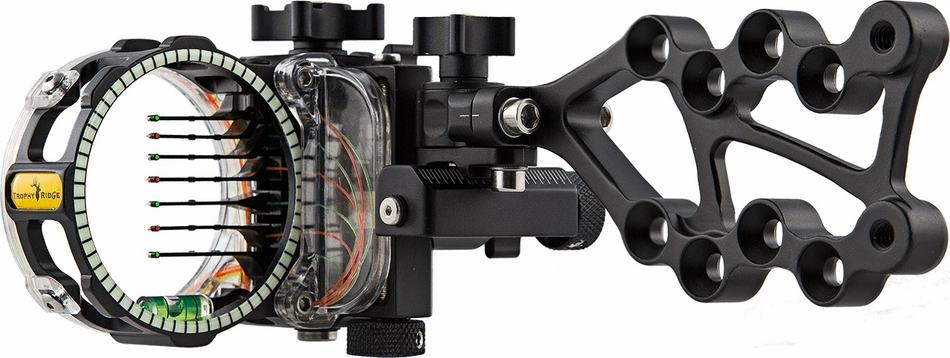
Trophy Ridge React Pro: Features and Benefits

Trophy Ridge React Pro archery sight is a favorite among many bowhunters for its rugged design and advanced features. Some key benefits include:

  • High-contrast pins for better visibility in low light.
  • Micro-adjustable windage and elevation for precision tweaking.

I’ve personally relied on this brand during several hunts, and it has consistently delivered exceptional performance.

HHA Sports Optimizer Ultra: Features and Benefits

The HHA Optimizer Ultra stands out with its innovative design tailored for versatility. Notable features include:

  • Single-pin adjustability for quick distance changes.
  • Lightweight construction, making it ideal for long stalks.

During a hike across challenging terrain, this sight really shined, allowing for smooth transitions without added weight.

AXCEL Landslyde Carbon Pro Slider: Features and Benefits

Axcel Landslyde Carbon Pro Slider sight offers a blend of durability and cutting-edge technology. Highlights include:

  • Built-in level for improved accuracy.
  • Durable materials that withstand rough conditions.

Moreover, after using this bow sight from AXCEL on a challenging hunt, I was impressed with its resilience and ease of use, which contributed to a successful tracking experience.

How to Optimize Your Bow Sight for Spot and Stalk Bowhunting

Setting up Your Bow Sight

Furthermore, setting up your bow sight is crucial for achieving consistent accuracy in spot and stalk bowhunting. Follow these steps for optimal setup:

  • Align your sights with the bowstring for straight aiming.
  • Secure the sight firmly to prevent movement during hunts.

I remember my first hunt; a proper setup led to stunning accuracy, boosting my confidence in the field.

Adjusting for Different Distances

Adjustability is key when anticipating varying shot distances. To ensure readiness:

  • Practice with multiple ranges prior to your hunt.
  • Use the correct pin for the target distance or adjust single-pin sights as needed.

During a memorable experience, adjusting on the fly helped me successfully engage a deer at an unexpected distance—highlighting the importance of being prepared for anything in the field!

Tips for Successful Spot and Stalk Bowhunting

Stealth and Camouflage Techniques

Additionally, mastering stealth and camouflage is essential for getting close to your target in spot and stalk bowhunting. Here are some techniques to consider:

  • Wear earth-toned clothing to blend with the environment.
  • Use natural cover, like bushes or trees, to approach your game.

On my last hunt, crawling through the underbrush with my camo gear helped me close the gap on a wary buck without being detected.

Shot Placement and Accuracy

Understanding shot placement and maintaining accuracy can significantly impact the success of your hunt. Key points include:

  • Aim for vital areas such as the heart or lungs for a quick humane kill.
  • Practice regularly at various distances to build muscle memory.

During one exhilarating moment, a well-placed shot led to a successful harvest, reinforcing the importance of preparation and precision in bowhunting.

Maintenance and Care for Bow Sights

Cleaning and Maintenance Tips

Regular cleaning and maintenance of your bow sight help ensure optimal performance. Here are some handy tips:

  • Use a microfiber cloth to wipe down lenses and remove dirt.
  • Check screws and adjustments periodically to maintain tightness.

After a particularly muddy hunt, I learned the hard way that neglecting my sight meant compromised accuracy.

Storage Recommendations

Lastly, proper storage can extend the life of your bow sight. Consider these recommendations:

  • Keep your sight in a protective case when not in use.
  • Avoid storing in extreme temperatures, which can affect materials and optics.

I always store my bow in a cool, dry place, ensuring my sight remains in peak condition for the next hunting season.

Conclusion

Recap of Top Bow Sights

In summary, choosing the right bow sight can elevate your spot and stalk bowhunting experience. Whether you prefer the simplicity of fixed pin sights, the flexibility of adjustable pins, or the lightweight convenience of single pin sights, each has its own unique strengths. My favorite bow sight has consistently helped me achieve accurate shots, enhancing my overall success in the field.

Final Thoughts on Bowhunting Equipment

Ultimately, bowhunting requires not just a reliable bow sight but also a combination of skill, practice, and the right equipment. Investing in quality gear and committing to regular maintenance pays off during hunts. Remember, a well-prepared hunter is a successful hunter! Embrace the journey of improvement, and enjoy every moment spent in the great outdoors.

What to Look for in a Bowhunting Sight: Explore your options

Unlocking Precision: What Bow Sight Should I Get?

Understanding the Importance of Accuracy in Bowhunting

In bowhunting, accuracy is not just a goal; it’s a necessity. A well-placed shot determines not only the success of the hunt but also the ethical impact on the game. Furthermore, personal experiences often reinforce this; having friends who missed their target recount how a small adjustment could have made all the difference.

  • Precision leads to quicker, less stressful harvests.
  • Confidence builds with improved accuracy.

Overview of Bowhunting Sights

Bowhunting sights play a crucial role in enhancing shooting precision. What’s more, these tools help archers align their shots more effectively, allowing hunters to account for distance, elevation, and wind. With various types of sights available, understanding their features can significantly influence bowhunting success. Whether it’s multi-pin systems for varying distances or single pin for focused accuracy, finding the right sight enhances every hunter’s experience.

Types of Bowhunting Sights

Fixed Pin Sights

Fixed pin sights offer a reliable and straightforward option for archers. Additionally, these sights come equipped with preset pins for different distances, allowing hunters to quickly aim at their target. Many experienced bowhunters appreciate the simplicity of this design because it requires minimal adjustment once set up.

  • Pros:
    • Easy to use, especially for beginners.
    • Durable and less prone to mechanical failure.

Moveable Pin Sights

Moveable pin sights allow archers the flexibility to adjust their pins on the fly. This becomes invaluable in situations where game might be closer or farther than expected. For example, during an early morning hunt, one archery enthusiast found success by adjusting his sight mid-hunt, which led to a perfect shot.

  • Pros:
    • Adaptable for varying distances.
    • More precise aiming options.

Single Pin Sights

Single pin sights are designed for precision. They have one pin that can be adjusted for distance, enabling archers to focus fully on their target without the distraction of multiple pins. Many hunters favor these for tree stand hunting, where quick adjustments are key.

  • Pros:
    • Eliminates pin clutter for clear aiming.
    • Ideal for experienced hunters seeking precision.

Pendulum Sights

Pendulum bow sights are unique, designed specifically for tree stand hunting. They adjust automatically based on the angle of the shot, which is helpful for elevated shooting. Furthermore, many hunters swear by this sight for its intuitive feature that increases accuracy.

  • Pros:
    • Auto-adjusts for angle shots.
    • Excellent for steep trajectories.

Digital Sights

Digital sights represent the cutting edge of bowhunting technology. They offer advanced features such as range finders and precision readings. While some may find them overwhelming, others appreciate the benefits they provide in determining exact distances.

  • Pros:
    • High-tech accuracy and features.
    • Some models include integrated range finders.

Moreover, understanding these various types of bowhunting sights can greatly enhance shooting performance, making it easier to choose the right tool for individual hunting needs. Additionally, each option provides unique benefits that cater to different styles and preferences.

Factors to Consider when Choosing a Bowhunting Sight

When selecting a bowhunting sight, several factors come into play to ensure optimal performance. Understanding each aspect can make a significant difference in the field.

Pin Configuration and Adjustability

First and foremost is the pin configuration. Options range from fixed to movable pins, making it essential to assess what suits your shooting style best. For instance, a friend of mine swears by his fixed pin sight, while another hunter prefers the versatility of adjustable pins for varied distances.

  • Consider:
    • Number of pins required.
    • Ease of adjustments during a hunt.

Durability and Weight

Next, durability and weight play crucial roles. Bowhunters often hike long distances, so choosing a lightweight sight without sacrificing strength is vital. Furthermore, many bowhunters share stories of brutal terrain testing their gear. A lightweight yet robust sight can stand the test of time and rigorous hunts.

  • Tips:
    • Look for materials like aluminum or carbon.
    • Check user reviews for durability insights.

Fiber Optic Quality

The quality of fiber optics can significantly affect visibility in various lighting conditions. Bright, clear optics can make aiming easier, particularly during low-light scenarios. A memorable evening hunt underscored for me how effective fiber optics can enhance accuracy once dusk falls.

  • Points to ponder:
    • Brightness settings for reduced lighting.
    • Construction material to prevent breakage.

Compatibility with Your Bow

Lastly, ensure the sight is compatible with your bow type. Not all sights fit every model, which can lead to frustration during setup. My first experience taught me the importance of checking compatibility before purchasing to avoid unnecessary headaches.

  • Key considerations:
    • Manufacturer specifications.
    • Adjustability to match your bow’s setup.

By keeping these factors in mind, bowhunters can make informed decisions when choosing their sights, leading to greater accuracy and enhanced hunting experiences.

Popular Bowhunting Sight Brands

With a plethora of options available, knowing the top brands in the bowhunting sight market is essential for making an informed choice. Quality can vary significantly, and familiarity with renowned brands often leads to better hunting outcomes.

Top Brands in the Market

Some of the most respected names in bowhunting sights include:

  • HHA Sports: Known for their durable, high-performance sights. Many hunters appreciate HHA Sports sights for their accuracy and reliability.
  • Trophy Ridge: This brand offers a broad range of compound bow sights at competitive prices, often favored by beginners and seasoned hunters alike.
  • Spot-Hogg: Featuring premium technology, Spot-Hogg sights are popular among competitive archers for their precision and adjustability.

A friend of mine recently upgraded to an HHA Tournament Single Pin sight, and he couldn’t stop raving about its accuracy.

Features and Technologies Offered by Leading Brands

Leading brands incorporate various features and technologies designed to enhance accuracy and usability:

  • Micro-adjustable pins: Found in brands like Spot-Hogg, they allow for precise tuning.
  • Light-up fiber optics: Used by Trophy Ridge, these are invaluable in low-light scenarios.
  • Dovetail mounting systems: Common in HHA Sports sights, these provide stability and easy adjustments.

Each of these innovations demonstrates the commitment of top brands to provide hunters with the tools needed for success in the field. Moreover, by considering these popular options and their standout technologies, hunters can select sights that truly fit their shooting style and improve their performance.

Installation and Adjustment of Bowhunting Sights

Once you’ve selected the perfect bowhunting sight, the next step is ensuring it’s properly installed and adjusted for optimal performance. Taking the time to do this correctly sets you up for success in the field.

Proper Installation Techniques

To install your sight correctly, follow these steps:

  1. Read the Manual: Always start with the manufacturer’s instructions specific to your sight.
  2. Loosen Mounting Screws: Align the sight on your bow’s riser without tightening the screws fully initially.
  3. Level the Sight: Using a level, ensure your sight is straight before securing it in place.
  4. Secure Screws: Tighten all screws carefully while checking alignment.

My first installation experience involved minor blunders which taught me the value of patience and attention to detail.

Adjusting for Distance and Accuracy

Once installed, adjusting the sight for distance and accuracy is crucial. Here’s how:

  • Set a Target: Start from a known distance (usually 20 yards for most hunters).
  • Aim and Shoot: Take a shot at the target and assess where it lands.
  • Make Adjustments: Adjust your pins accordingly, moving them based on the shot placement (up, down, left, right).

It can be helpful to shoot multiple arrows to ensure consistency.

Fine-tuning Your Sight

Finally, fine-tuning your sight involves:

  • Creating a Sight-In Chart: Document your adjustments for future reference.
  • Double-checking Levels: Periodically confirm that everything remains aligned.
  • Testing at Longer Distances: Gradually increase your shooting range to perfect your setup.

Investing time in installation and adjustment will significantly enhance your accuracy, making those critical moments in the field more successful and enjoyable.

Maintenance and Care of Bowhunting Sights

Once your bowhunting sight is installed and calibrated, it’s crucial to maintain it properly to ensure longevity and consistent performance. Proper care can save you both time and money in the long run.

Cleaning and Inspection

Regular cleaning and inspection keep your sight in optimal condition. Here’s how to do it:

  • Use a Soft Cloth: Gently wipe the optics with a microfiber cloth to avoid scratches.
  • Inspect for Damage: Regularly check for loose screws or signs of wear. I once lost an important hunt because a minor issue went unnoticed.
  • Check the Fiber Optics: Ensure they are bright and free from cracks.

A clean sight contributes to accuracy and ultimately your hunting success.

Storage Tips

Proper storage plays a significant role in maintaining your bowhunting sight. Keep these tips in mind:

  • Use a Protective Case: A soft-sided or hard case prevents physical damage during transport.
  • Store in a Cool, Dry Place: Avoid extreme temperatures and humidity to protect the components.
  • Remove Batteries: If your sight requires batteries, take them out during long-term storage to prevent leaks.

Furthermore, these steps can help prolong the life of your archery sight and ensure it remains in good working order.

Troubleshooting Common Issues

Every bowhunter encounters problems at some point. Here are a few common issues and solutions:

  • Inconsistent Shots: Double-check your sight alignment and pins. Sometimes a simple adjustment is all it takes.
  • Broken Fiber Optics: Replace with a manufacturer-approved component to restore functionality.
  • Loose Screws: Regularly tighten all screws; carry a small toolkit in your hunting pack for quick fixes.

Moreover, by implementing these maintenance practices, bowhunters can enjoy reliable performance in the field, ensuring each hunting season is successful and enjoyable.

Enhancing Accuracy with Proper Sight Usage

Investing in a quality bowhunting sight is just the beginning; how you use it can make all the difference in your accuracy. What’s more, implementing effective shooting techniques, practicing regularly, and maximizing your sight’s potential can elevate your performance in the field.

Shooting Techniques for Better Accuracy

Mastering proper shooting techniques is crucial for accuracy. Here are some foundational tips:

  • Stance: Ensure your feet are shoulder-width apart for balance.
  • Grip: Maintain a relaxed grip on your bow to avoid torquing during the shot.
  • Anchor Point: Consistency in your anchor will lead to repeatable shots. I learned this the hard way when inconsistent anchors impacted my early hunts significantly.

Practicing these techniques reinforces muscle memory for the big day.

Practice Drills and Exercises

Regular practice is key to enhancing your game. Incorporate these drills:

  • Target Practice: Set varying distances to challenge yourself. Aim for multiple positions (standing, kneeling) to simulate real hunting situations.
  • Timed Shots: Limit yourself to a time frame for each shot to mimic pressure situations during a hunt.
  • Follow-through Practice: Focus on your follow-through to ensure consistent release and aiming.

In short, creating a structured practice routine will build confidence and improve your shooting.

Maximizing the Potential of Your Bowhunting Sight

To truly leverage your bowhunting sight’s capabilities, consider these strategies:

  • Familiarize Yourself with Settings: Understand all your sight’s features and when to use them.
  • Use a Rangefinder: Pair your sight with a rangefinder for precise distance measurement.
  • Record Adjustments: Keep a log of distance settings and adjustments for future reference.

Incorporating these practices will significantly enhance your accuracy, leading to a more successful and rewarding hunting experience. By understanding both your equipment and yourself, you’ll be better prepared for the challenges nature presents.

Conclusion

As we wrap up this comprehensive look at bowhunting sights, it’s crucial to remember the essential considerations that can impact your hunting success.

Recap of Essential Considerations

Selecting the right sight involves:

  • Understanding different sight types: Fixed, moveable, single pin, pendulum, or digital.
  • Evaluating factors such as pin configuration, durability, and compatibility with your bow.
  • Prioritizing maintenance and care to keep your sight performing optimally.

Reflecting on my own journey, I’ve seen how these factors dramatically improved my accuracy and overall hunting experience.

Final Tips for Choosing the Right Bowhunting Sight

When choosing a bowhunting sight, keep these final tips in mind:

  • Test before you invest: If possible, try out different types to see what fits your shooting style best.
  • Consider your hunting environment: In addition, various conditions may require different sight features.
  • Don’t rush the adjustment process: Lastly, spend time getting familiar with your sight to maximize its potential.

By taking these steps, you’ll not only enhance your performance but also enjoy the thrill of the hunt even more. A well-chosen sight can truly make a world of difference in your bowhunting adventures.